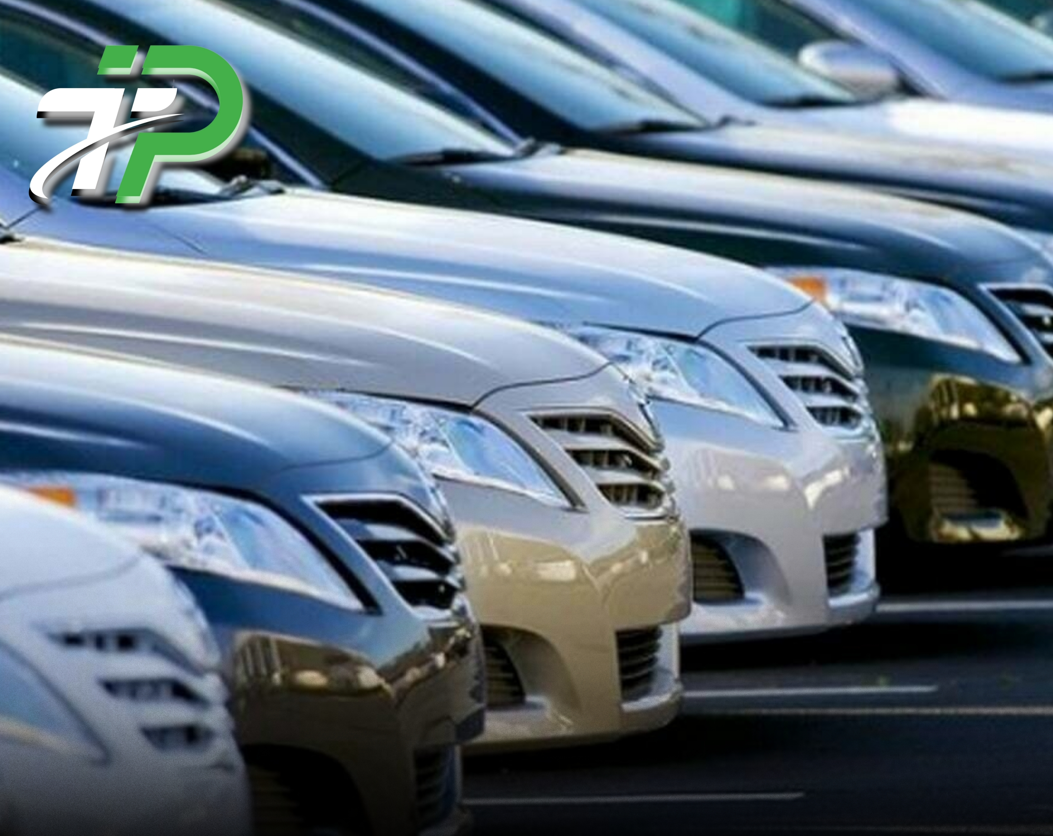
Pakistan’s automotive industry has staged a strong comeback in the first half of the current fiscal year, recording a robust 46 percent increase in vehicle sales compared to the same period last year. The surge reflects improving market sentiment and renewed consumer interest, according to fresh data released by the Pakistan Automotive Manufacturers Association.
Between July and December, total vehicle sales reached 88,322 units, signaling a broad-based recovery across multiple segments of the industry. Analysts say this rebound comes after a prolonged slowdown driven by high inflation, rising interest rates, and supply chain disruptions in previous years.
One of the strongest performances was seen in the Jeep and pickup segment, where sales jumped by 58 percent to 22,412 units. The rise highlights growing demand for both personal and light commercial vehicles, particularly in urban centers and expanding suburban markets.
The commercial vehicle segment also showed remarkable improvement. Truck sales more than doubled, posting a 106 percent increase to 3,071 units, while bus sales rose 52 percent to reach 461 units. Industry observers link this trend to increased economic activity, infrastructure development, and higher demand for logistics and public transport solutions.
The two-wheeler segment, which includes motorcycles and rickshaws, continued to play a critical role in driving volumes. Sales in this category increased by 33 percent, with total units sold reaching 921,566. Motorcycles remain the primary mode of transport for millions of Pakistanis, and rising demand reflects both affordability and easing financing conditions.
Not all segments, however, shared in the recovery. Tractor sales declined by 26 percent, falling to 12,929 units during the same period. This drop points to weaker demand in the agricultural machinery market, likely influenced by pressures on the farming sector and higher input costs.
Experts attribute the overall growth in auto sales to a combination of factors, including improving consumer confidence, more accessible financing, and a gradual stabilization of the broader economy. Easier availability of auto loans has been particularly important in reviving demand.
Supporting this trend, banking data shows that auto financing in Pakistan rose sharply in recent months. In October 2025, total auto loans climbed to Rs315 billion, marking a 33 percent increase compared to Rs236 billion in the same month last year. On a month-on-month basis, financing also grew by 3.5 percent from September levels.
Bankers and analysts largely credit the rebound in auto financing to a significant reduction in interest rates. Since mid-2024, the policy rate has been cut from 22 percent to 11 percent, substantially lowering borrowing costs and making vehicle purchases more affordable for consumers.
The government has also taken steps to support the sector. In May 2024, Prime Minister Shehbaz Sharif directed relevant authorities to implement a deletion policy aimed at strengthening local manufacturing and reducing reliance on imports.
With sales momentum building and financing conditions remaining favorable, industry players are cautiously optimistic about the months ahead. The latest figures suggest that if economic stability and supportive policies continue, Pakistan’s automotive industry could sustain its recovery and enter a new phase of growth.