Lawmakers Permitted to Keep Asset Declarations Confidential for One Year Under New Bill
In a significant legislative development, the National Assembly has approved a bill allowing members of parliament to keep their asset details confidential for up to one year on the basis of security concerns. The move amends the Elections Act 2017 and introduces a legal mechanism for lawmakers to seek temporary protection of sensitive financial information.
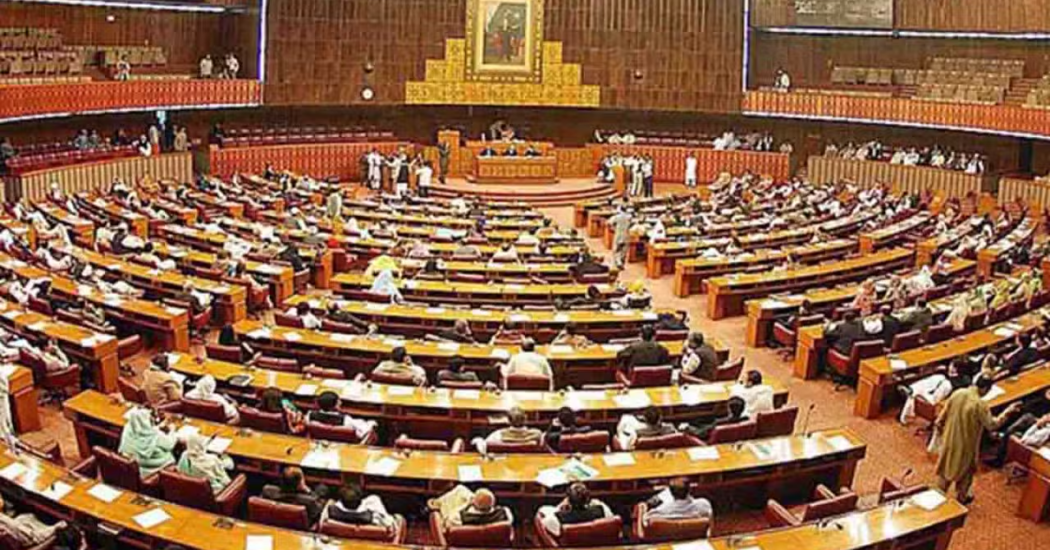
The bill was presented by Pakistan Peoples Party lawmaker Shazia Marri and was passed by the lower house on Wednesday. Under the amended provisions, members of the National Assembly and the Senate can request that details of their assets, or those belonging to their immediate family members, be withheld from public disclosure if they face a credible security threat.
According to the bill, such a request must be formally submitted by the concerned lawmaker. The authority to approve this confidentiality rests with the Speaker of the National Assembly or the Chairman of the Senate, depending on whether the applicant is an MNA or a senator. Once approved, the Election Commission of Pakistan will be legally bound to keep the asset declarations confidential for a maximum period of one year.
Supporters of the legislation argue that the amendment addresses genuine safety concerns faced by elected representatives, particularly in areas prone to security challenges. They contend that public disclosure of asset details can sometimes expose lawmakers and their families to risks, including extortion, threats, or targeted attacks. By allowing temporary confidentiality, the law aims to strike a balance between transparency and personal security.
The bill does not permanently exempt lawmakers from asset disclosure requirements. After the one-year period expires, the asset details are expected to be made public unless a fresh request is submitted and approved under the same legal criteria. This provision ensures that the principle of accountability remains intact while offering short-term relief in exceptional circumstances.
However, the legislation has also sparked debate among governance experts and transparency advocates. Critics fear that the confidentiality clause could be misused to delay public scrutiny of lawmakers’ financial interests. They argue that asset declarations are a cornerstone of democratic accountability and any relaxation, even temporary, should be accompanied by strict oversight and clear definitions of what constitutes a credible security threat.
The Elections Act 2017 originally mandated public access to lawmakers’ asset declarations to promote transparency and discourage corruption. The newly passed amendment introduces flexibility into this framework, reflecting evolving security realities while retaining the Election Commission’s supervisory role.
As the bill moves forward in the legislative process, it is expected to draw further discussion within political circles and civil society. Its implementation will likely be closely monitored to ensure that the confidentiality provision is used responsibly and does not undermine public trust in the democratic system.
