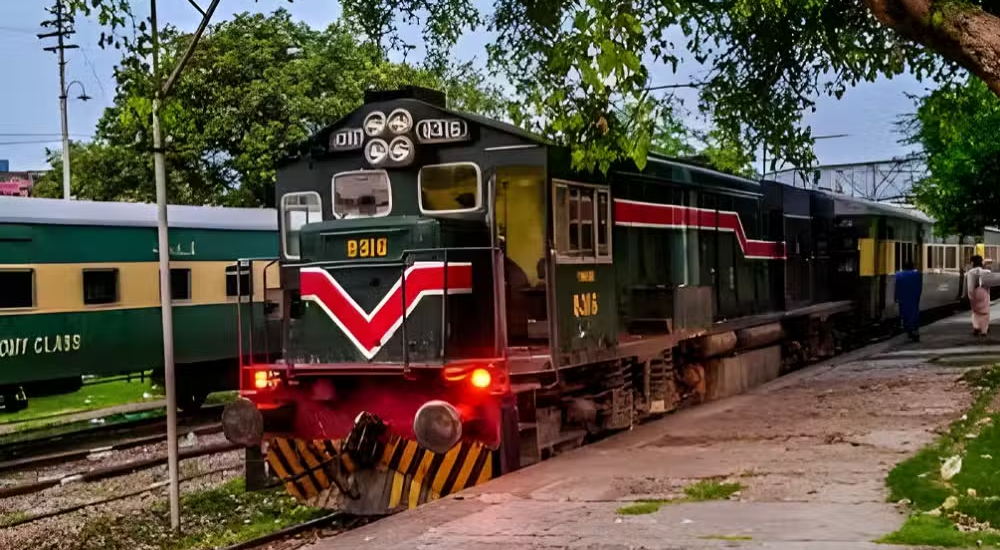
Pakistan Railways is preparing to enter the international market by exporting railway coaches and freight wagons to five countries, marking a major step toward reviving the national rail sector and boosting foreign exchange earnings.
Federal Minister for Railways Hanif Abbasi announced the development on Wednesday while speaking to Geo News, confirming that Pakistan Railways will export rolling stock to Chile, Argentina, Sri Lanka, Bangladesh, and Nepal.
According to the minister, ambassadors from these countries will be invited to the Ministry of Railways later this week, where detailed presentations will be given on Pakistan Railways’ manufacturing capabilities, technical standards, and pricing structure.
Expanding Pakistan Railways’ Global Footprint
The move signals a shift in Pakistan Railways’ strategy from being a domestically focused transport service to becoming a regional and international supplier of railway equipment. Officials believe the initiative could open long-term export opportunities, especially in developing and emerging markets seeking cost-effective rail solutions.
Pakistan Railways has decades of experience in manufacturing and refurbishing coaches and wagons at facilities such as the Carriage Factory Islamabad and Mughalpura Workshops in Lahore. These units have historically produced passenger coaches, freight wagons, and specialized rail equipment for domestic use.
By leveraging existing infrastructure, the government aims to turn underutilized production capacity into a revenue-generating export industry.
Countries Showing Interest
The five target countries span South Asia and Latin America, regions where demand for affordable railway infrastructure remains strong.
- Sri Lanka, Bangladesh, and Nepal are seeking upgrades to aging rail fleets and cost-efficient alternatives to expensive Western manufacturers.
- Chile and Argentina, with extensive rail networks, are exploring diversification of suppliers to reduce procurement costs and speed up delivery timelines.
Inviting ambassadors for in-person briefings suggests Pakistan Railways is pursuing government-to-government engagement, which could streamline approvals and build confidence among potential buyers.
Economic and Industrial Impact
Exporting railway coaches and wagons could significantly benefit Pakistan’s economy by:
- Generating foreign exchange earnings
- Creating new jobs in manufacturing and engineering
- Revitalizing dormant railway workshops
- Enhancing Pakistan’s image as a competitive industrial exporter
Officials say the export plan aligns with broader government goals to reduce reliance on imports, strengthen local manufacturing, and expand non-traditional exports beyond textiles and agriculture.
Quality Standards and Competitive Pricing
Hanif Abbasi emphasized that Pakistan Railways’ rolling stock meets international safety and engineering standards, while remaining more affordable than products from Europe or East Asia.
Industry experts note that Pakistan’s advantage lies in competitive labor costs, established technical expertise, and flexible customization options, allowing buyers to tailor coaches and wagons to their specific rail gauges and operating conditions.
The Ministry of Railways is also reportedly working on improving quality assurance mechanisms to ensure exported units comply with international certification requirements.
Part of a Broader Rail Revival Plan
The export initiative comes amid renewed efforts to modernize Pakistan Railways, including track upgrades, digital ticketing reforms, and public-private partnerships.
By entering export markets, Pakistan Railways aims not only to earn revenue but also to restore institutional credibility after years of financial and operational challenges.