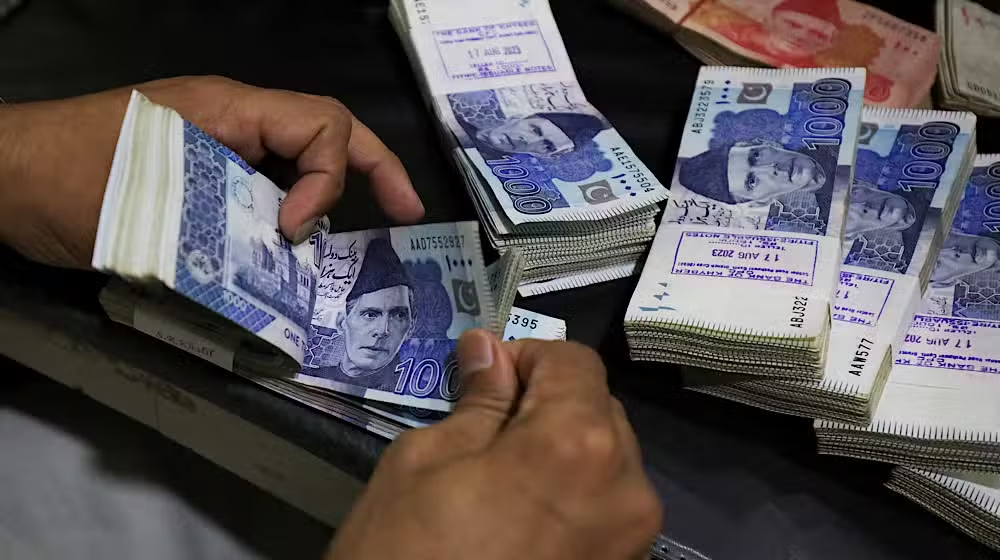
Pakistan’s banking sector recorded steady financial growth as total deposits increased by 18.2 percent year-on-year, reaching Rs. 36.6 trillion in January 2026. The figures were highlighted in data compiled by Topline Securities, indicating continued confidence among depositors despite a slowdown in lending activity.
The rise in deposits reflects strong savings inflows into banks across Pakistan. Financial analysts note that higher deposit volumes often signal improved liquidity within the banking system, allowing institutions to maintain stable financial operations even during periods of subdued credit growth.
While deposits showed strong expansion, bank lending activity moved in the opposite direction. Total advances declined by 3 percent year-on-year, falling to Rs. 14.29 trillion compared to Rs. 14.72 trillion recorded during the same period last year. The drop suggests a slowdown in credit demand from businesses and consumers amid broader economic challenges.
Economists believe the decline in advances may be linked to cautious borrowing behavior by companies and individuals. Higher borrowing costs, economic uncertainty, and slower investment activity can often lead to reduced demand for loans.
Despite weaker lending figures, banks significantly increased their investment portfolios. According to the data shared by Topline Securities, total investments surged by 29.4 percent year-on-year to reach Rs. 38.8 trillion in January 2026. This marks a notable rise compared to Rs. 30.02 trillion recorded during the same month in the previous year.
The increase in investments suggests that banks are allocating more funds toward government securities and other relatively safer financial instruments. This strategy allows financial institutions to manage risk while generating stable returns, especially when private sector borrowing remains limited.
Banking sector analysts say the trend of higher deposits combined with lower lending can influence economic growth patterns. While increased deposits strengthen the financial stability of banks, reduced credit flow to businesses may slow down expansion in certain sectors of the economy.
Nevertheless, the strong growth in deposits demonstrates continued public trust in the banking system across Pakistan. Depositors often view banks as a secure place to safeguard savings, particularly during periods of economic uncertainty.
Financial experts will continue to monitor lending trends in the coming months to determine whether credit demand begins to recover. Increased borrowing by businesses and consumers could play a key role in supporting broader economic activity.
For now, the latest figures show that while lending has slowed, Pakistan’s banking sector remains resilient with rising deposits and a significant increase in investment holdings.