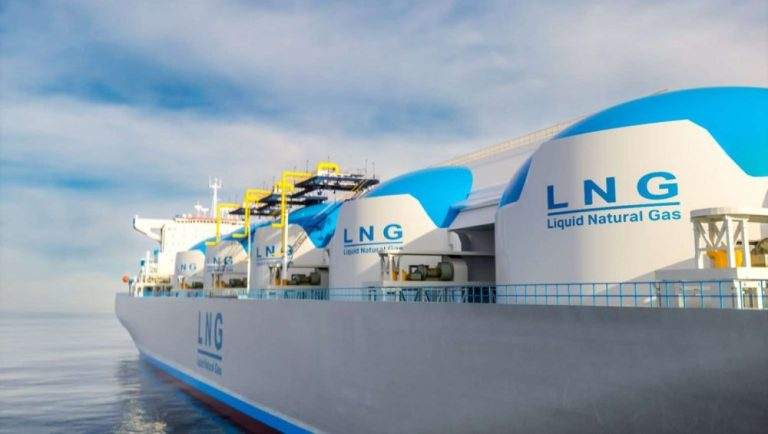
Nearly 50 LNG Tankers Sit Idle Across Asia Amid Gulf Conflict Disruptions
Almost 50 liquefied natural gas (LNG) carriers connected to Qatar exports are currently stranded across Asia, underscoring the severe impact of ongoing Middle East tensions on global energy trade. Ship tracking data from Kpler and Bloomberg shows that these vessels remain empty, waiting in strategic maritime locations.
The idle tankers are clustered near west India, off the coast of Sri Lanka, around the Strait of Malacca, and offshore Singapore. With each LNG carrier holding approximately 170,000 cubic meters, the stranded fleet represents an estimated 3.4 to 3.5 million tons of LNG transport capacity currently unavailable for delivery.
The disruption stems from the March attacks that forced the shutdown of Qatar’s Ras Laffan LNG export plant, the world’s largest LNG export terminal. The situation was further complicated by the effective closure of the Strait of Hormuz, a critical chokepoint for global energy shipments.
Industry analysts warn that the bottleneck could affect LNG supply across Asia, potentially driving up prices and disrupting contracts. Countries heavily reliant on Qatari LNG, such as China, Japan, and South Korea, may face shortages or delays as alternative supplies are sought.
Shipping companies are reportedly monitoring the situation closely, weighing options for rerouting vessels or rescheduling deliveries. Meanwhile, global energy markets remain on high alert as geopolitical tensions in the Gulf continue to affect logistics and energy security.
The stranded LNG fleet highlights how regional conflicts can have far-reaching consequences for global commodity flows. It also underscores the vulnerability of energy supply chains to disruptions in key export points and maritime chokepoints.
