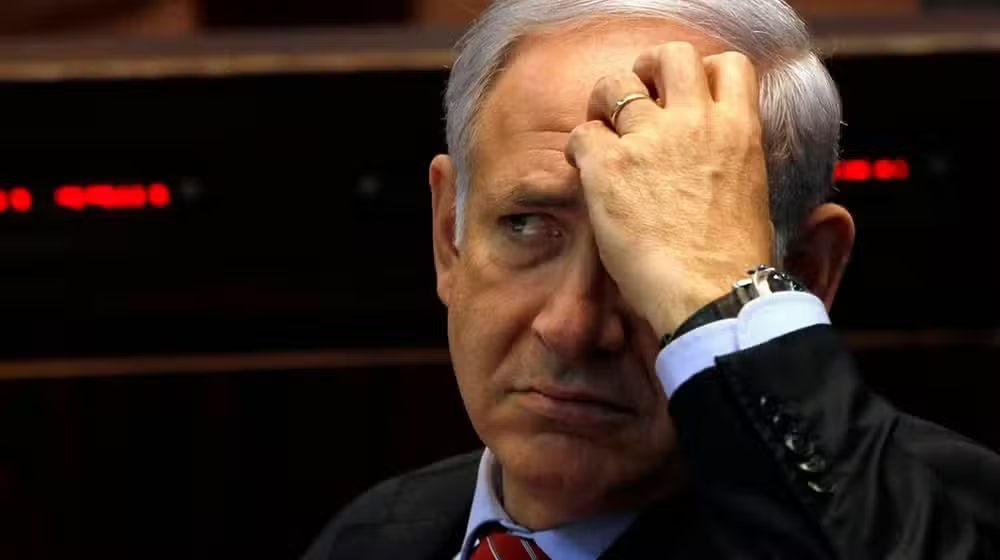
Israeli Prime Minister Benjamin Netanyahu is confronting mounting political pressure at home following a Pakistan-mediated ceasefire between the United States and Iran. The truce, reportedly supported through diplomatic channels involving Pakistan, has reshaped regional dynamics and triggered debate within Israel’s political landscape.
Public sentiment in Israel appears increasingly divided in the aftermath of the conflict. Recent surveys indicate that a significant portion of the population remains unconvinced about the outcomes of the war and the effectiveness of the ceasefire. This skepticism has placed Netanyahu in a difficult position as he navigates both domestic expectations and international obligations.
At the same time, public opinion reflects a contrasting stance on security matters. A large majority of Israelis continue to favor military operations against Hezbollah in Lebanon, highlighting a complex national mood. This divergence between support for military action and acceptance of a ceasefire has created a strategic dilemma for the Israeli leadership.
The situation has further intensified due to growing international pressure. Key allies including the United States, Canada, and Germany have urged Israel to maintain the ceasefire and avoid escalating tensions. These countries have expressed concerns that renewed conflict could destabilize the region and lead to broader geopolitical consequences.
For Netanyahu, the challenge lies in balancing these competing demands. Supporting the truce could alienate sections of his political base that favor a more aggressive stance. On the other hand, rejecting international calls for restraint risks diplomatic isolation and potential long-term repercussions for Israel’s global standing.
Social media discussions and political commentary suggest that the ceasefire may already be impacting Netanyahu’s popularity. Analysts believe that the evolving situation could influence future political developments, including leadership changes, if public dissatisfaction continues to grow.
As the region adjusts to this fragile truce, all eyes remain on Israel’s next moves. The decisions made in the coming weeks will not only determine Netanyahu’s political future but also shape the broader stability of the Middle East.

