Pakistan may face severe long-term economic consequences from climate change, with potential losses projected to reach up to 6 percent of GDP by 2050 if urgent mitigation measures are not implemented. The warning comes from a new study released by the Competition Commission of Pakistan, which highlights the country’s growing vulnerability to climate-related risks.
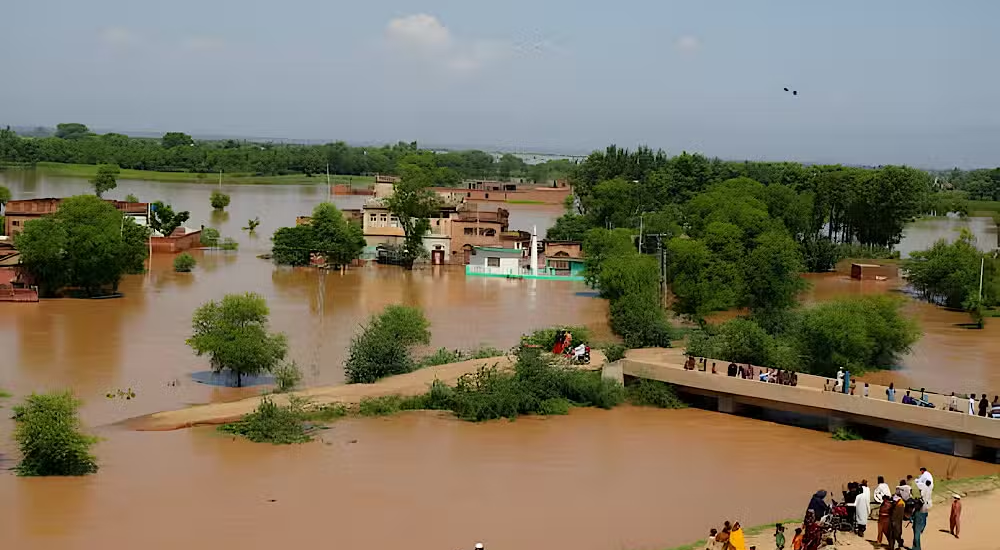
The report, titled “Unlocking Green Potential: A Market Competition Study of Solar Energy in Pakistan,” emphasizes that Pakistan remains among the most climate-exposed economies in the world. It identifies rising temperatures, frequent flooding events, heatwaves, and worsening water scarcity as major threats to long-term economic stability and productivity.
According to the study, these environmental pressures could significantly disrupt agriculture, infrastructure, and industrial output, all of which are key contributors to national GDP. Without accelerated adaptation and mitigation strategies, the economic burden of climate change is expected to intensify over the coming decades.
A central focus of the report is Pakistan’s energy transition, particularly the underutilization of solar power. Despite having abundant sunlight across regions such as Balochistan and Sindh, solar energy currently accounts for only around 2 percent of the country’s total electricity generation.
The study describes this gap as a significant mismatch between potential and actual energy use. It argues that expanding solar adoption could play a critical role in reducing reliance on fossil fuels, lowering emissions, and strengthening energy security.
Experts cited in the report stress that transitioning toward renewable energy is not only an environmental necessity but also an economic imperative. Increased investment in clean energy infrastructure could help stabilize electricity costs, reduce import dependency, and create new employment opportunities in emerging green industries.
The findings also align with global trends, where countries facing climate risks are increasingly investing in renewable energy systems to protect long-term growth. For Pakistan, the report suggests that policy reforms, improved regulatory frameworks, and private-sector participation will be essential to unlocking its solar potential.
As climate challenges intensify, the study serves as a reminder that proactive planning today could significantly reduce economic losses in the future. Without decisive action, Pakistan risks facing escalating costs that could reshape its economic trajectory by mid-century.