Islamabad Revises Market Timings as Energy Conservation Measures Expand
The administration in Islamabad has issued a revised notification introducing stricter closing hours for businesses as part of ongoing energy conservation efforts. The updated directive broadens the scope of earlier restrictions and reflects increasing urgency to manage electricity consumption.
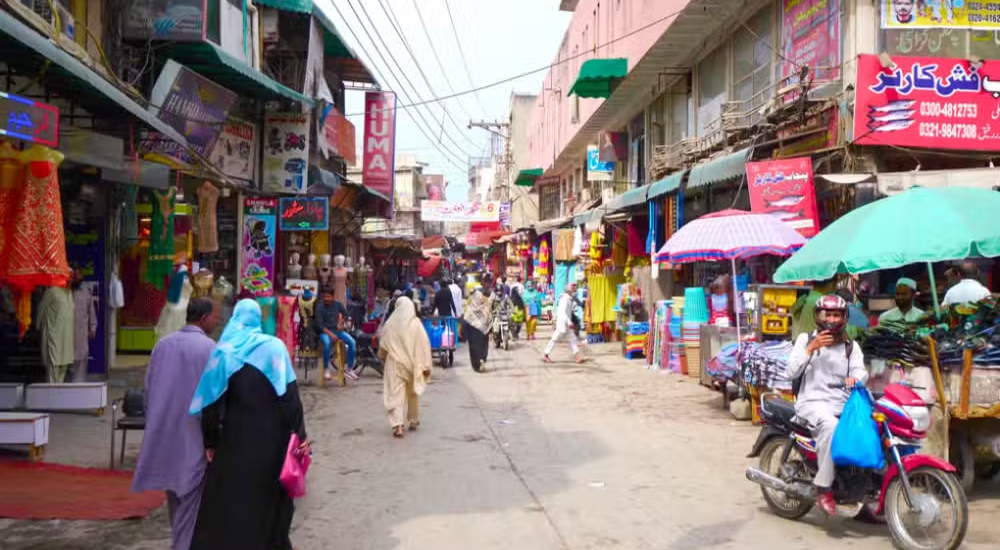
The order, released by the office of Deputy Commissioner Irfan Nawaz Memon, updates a previous notification issued on April 6. Under the new rules, all shops, markets, and shopping malls across the capital are now required to close by 8 pm, effective from April 16.
In a notable expansion, the revised timings also apply to additional sectors, including bakeries and sports facilities. This move indicates a more comprehensive approach to reducing energy usage, as authorities aim to ensure compliance across a wider range of commercial activities.
Officials say the decision is part of broader measures to address power shortages and improve energy efficiency. With rising demand and ongoing supply challenges, limiting business hours is being viewed as a necessary step to balance consumption.
The inclusion of bakeries and recreational venues highlights the administration’s focus on uniform enforcement. Previously, some of these sectors operated with extended hours, but the new policy brings them in line with general market regulations.
While the restrictions may pose challenges for business owners, particularly those relying on evening footfall, authorities emphasize the importance of collective responsibility during periods of energy strain. The government has urged traders and the public to cooperate in ensuring smooth implementation.
Such measures are not new in Pakistan, especially during times of heightened electricity demand. However, the latest revision underscores a stricter stance by the capital administration to enforce compliance and achieve measurable energy savings.
As the policy takes effect, its impact on commercial activity and energy consumption will be closely monitored. Further adjustments could follow depending on the evolving power situation and feedback from stakeholders.
