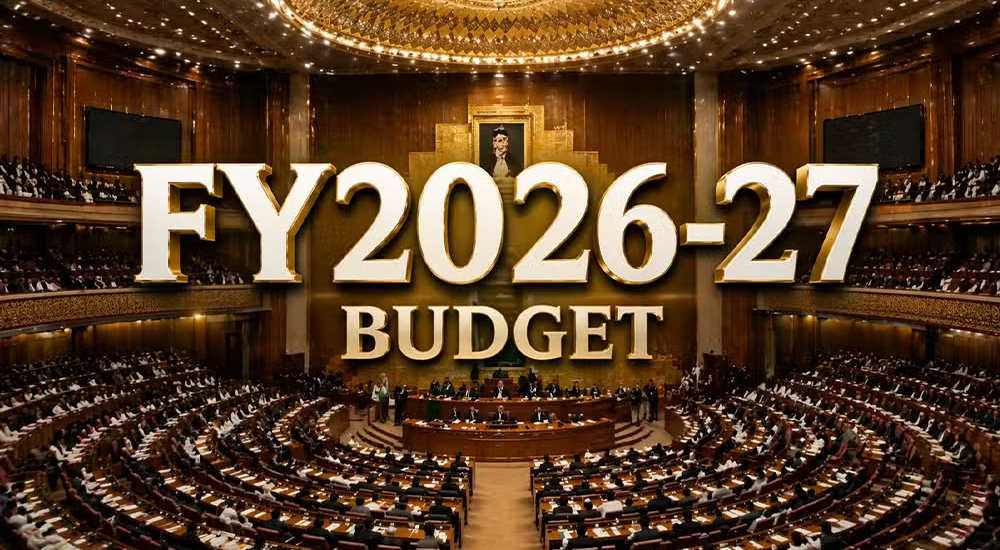
Pakistan Budget 2026-27 Likely to Offer Limited Relief for Salaried Class Amid IMF Conditions
Pakistan’s upcoming federal budget for 2026-27 is expected to bring only modest relief for salaried individuals, while introducing stricter fiscal measures to align with commitments made to the International Monetary Fund.
According to early indications, the government is preparing a budget framework that prioritizes economic stability over broad-based tax relief. This means salaried taxpayers may see minimal reductions in their tax burden, as authorities focus on meeting revenue targets and maintaining financial discipline.
One of the key features of the budget is likely to be the gradual removal of certain tax exemptions. These measures are aimed at widening the tax base and improving revenue collection, in line with recommendations from the International Monetary Fund. While this approach may strengthen fiscal health, it could also increase the financial pressure on individuals and businesses.
Electricity tariffs are also expected to rise more frequently under the new budget plan. The adjustments are part of ongoing energy sector reforms designed to reduce circular debt and ensure cost recovery. However, higher power bills could add to inflationary pressures, especially for middle-income households.
The government is set to unveil the budget in the first week of June, with policymakers walking a tightrope between economic reform and public expectations. Maintaining access to international financial support remains a top priority, particularly as Pakistan continues to navigate external financing challenges.
Economic analysts suggest that adherence to International Monetary Fund conditions is crucial for ensuring timely disbursements and restoring investor confidence. However, the social impact of these measures, particularly on the salaried class, will remain a key concern.
The focus on fiscal consolidation reflects the broader strategy to stabilize Pakistan’s economy, control deficits, and manage debt obligations. While these steps are necessary for long-term sustainability, they may limit the government’s ability to provide immediate financial relief.
As the budget announcement approaches, businesses, investors, and households will be closely watching for final details. The balance between reform and relief will ultimately determine how the budget is received by the public and markets alike.
