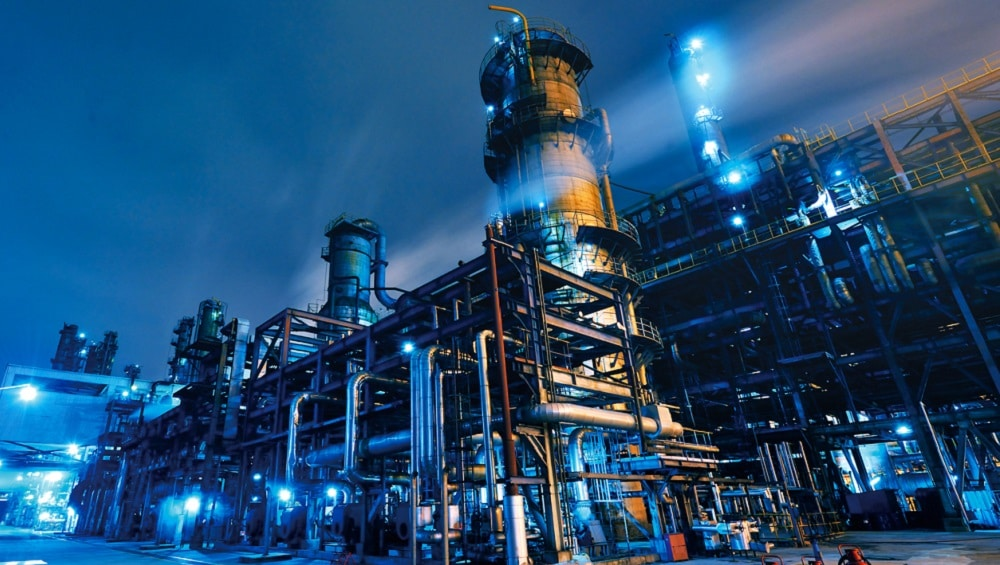
Pakistan is accelerating efforts to revive a long-delayed $6 billion refinery upgrade initiative as rising global oil volatility highlights the country’s heavy dependence on imported fuel. The renewed push comes amid increasing pressure on energy supply chains and fluctuating international petroleum prices.
The plan aims to modernize key refining infrastructure across the country to reduce reliance on imported refined products and improve domestic production capacity. Authorities are focusing on upgrading major facilities operated by leading industry players, including Pak-Arab Refinery Limited (PARCO), Attock Refinery Limited, National Refinery Limited, Cnergyico Pakistan Limited, and Pakistan Refinery Limited.
The refinery upgrade program is designed to enhance production efficiency and bring output in line with international environmental and fuel quality standards. A key objective of the project is the production of Euro-V standard fuels, including cleaner petrol, diesel, and furnace oil, which are expected to reduce emissions and improve air quality.
Energy experts note that Pakistan’s reliance on imported petroleum products has long exposed the economy to global price shocks. Any disruption in international supply chains or sudden price increases directly impacts domestic fuel costs and inflation, placing additional strain on consumers and industries.
The renewed urgency around the refinery modernization comes as global energy markets remain unstable. Policymakers are increasingly viewing domestic refining capacity as a strategic necessity rather than just an industrial upgrade, particularly in light of recurring external supply pressures.
Beyond economic considerations, the project also carries environmental significance. Upgraded refineries with Euro-V compliance are expected to reduce harmful emissions, contributing to improved urban air quality and aligning with broader sustainability goals.
While the initiative has faced repeated delays over the years due to financial, regulatory, and structural challenges, the current energy landscape has pushed it back into focus. If successfully implemented, the upgrades could mark a major shift in Pakistan’s energy security strategy and reduce long-term dependency on imported fuel.