The Government of Pakistan has taken fresh steps to revive nearly $6 billion worth of planned refinery investments by addressing tax-related and policy issues that have delayed modernization projects across the country’s oil refining sector.
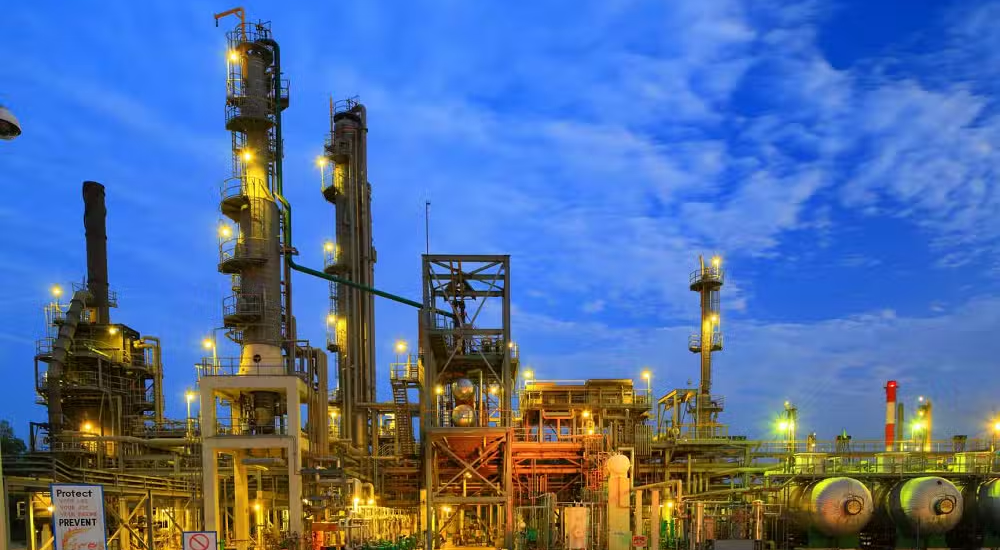
A high-level meeting chaired by Muhammad Aurangzeb highlighted renewed efforts to push forward the long-awaited Brownfield Refinery Policy. Officials discussed several proposals aimed at restoring investor confidence and accelerating refinery upgrade projects that have remained stalled for years.
One of the key proposals under discussion includes exempting imported refinery machinery from sales tax. Authorities are also considering additional policy protections to encourage investment in refinery modernization and improve long-term sector stability.
The meeting was attended by Ali Pervaiz Malik along with senior representatives from the Finance Division, Petroleum Division, the Federal Board of Revenue, the Oil and Gas Regulatory Authority, and major oil refineries operating in the country.
Participants reviewed several challenges that emerged following changes introduced through the Finance Act 2024. Industry stakeholders expressed concerns over the shift of petroleum products from zero-rated tax status to sales tax-exempt status, arguing that the move negatively impacted refinery economics and discouraged investment in upgrade projects.
Officials believe that resolving taxation and policy uncertainties is essential to unlocking billions of dollars in planned investments that could significantly improve Pakistan’s refining capacity and fuel quality standards. Modernized refineries are also expected to help reduce dependence on imported petroleum products and support energy sector stability.
Industry experts say refinery upgrades are critical for producing cleaner and higher-quality fuels that meet international environmental standards. Delays in modernization projects have raised concerns about the long-term competitiveness of Pakistan’s refining industry amid rapidly evolving global energy markets.
The renewed policy discussions indicate that the government is attempting to rebuild confidence among investors and refinery operators after prolonged uncertainty surrounding taxation and regulatory frameworks.
Economic analysts believe that successful implementation of the proposed incentives could attract major investment into Pakistan’s energy infrastructure while supporting industrial growth and improving energy security in the coming years.