Pakistani pilgrims and viewers will be able to listen to this year’s Hajj sermon in three local languages, including Urdu, Punjabi, and Pashto, as part of a broader multilingual broadcasting initiative announced for the annual religious address.
The expansion is part of efforts by Saudi authorities to make the Hajj sermon more accessible to Muslims around the world by offering live translation in 35 major languages. The initiative aims to ensure that the spiritual message of the sermon can be understood by diverse Muslim communities regardless of language barriers.
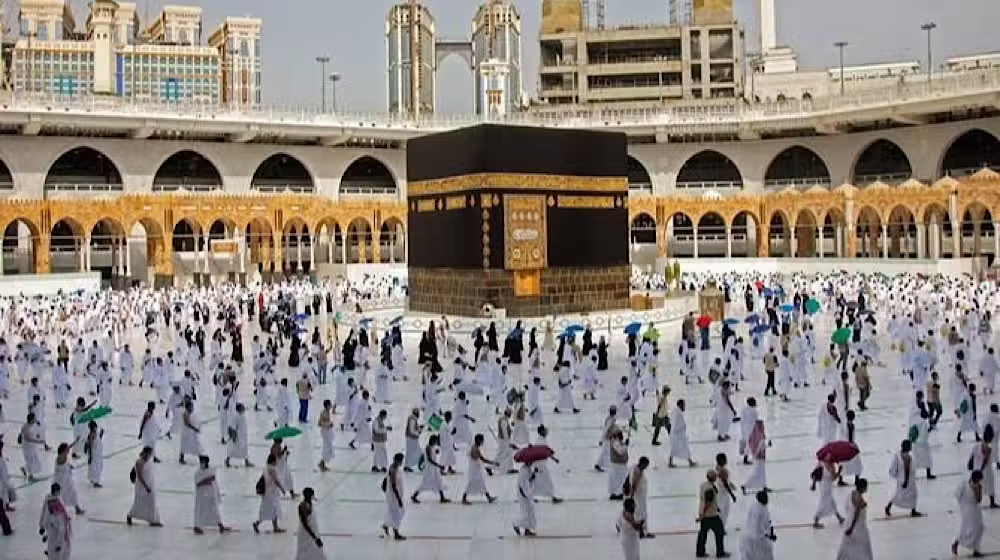
The annual Hajj sermon is delivered at Mount Arafat during the peak of the pilgrimage and is considered one of the most significant religious addresses in Islam. Millions of Muslims across the globe follow the sermon through live broadcasts, making language accessibility a key aspect of its global outreach.
Under the new arrangement, pilgrims from Pakistan will particularly benefit from translations in Urdu, Punjabi, and Pashto, which are widely spoken across the country. This development is expected to enhance the experience of Pakistani Hajj pilgrims by allowing them to better understand the teachings and guidance shared during the sermon.
The Saudi government has increasingly focused on improving services for pilgrims in recent years, including digital broadcasting, multilingual support, and upgraded logistical arrangements to manage the large number of attendees during Hajj season.
Religious scholars and observers have welcomed the move, noting that multilingual access to the sermon helps strengthen its spiritual impact and ensures inclusivity for Muslims from different cultural and linguistic backgrounds.
Pakistan sends a large number of pilgrims each year for Hajj, and improved language accessibility is expected to make the pilgrimage experience more meaningful for them, especially for those who may not fully understand Arabic.
The initiative reflects a broader trend of integrating technology and translation services into major religious events to enhance global participation and understanding.