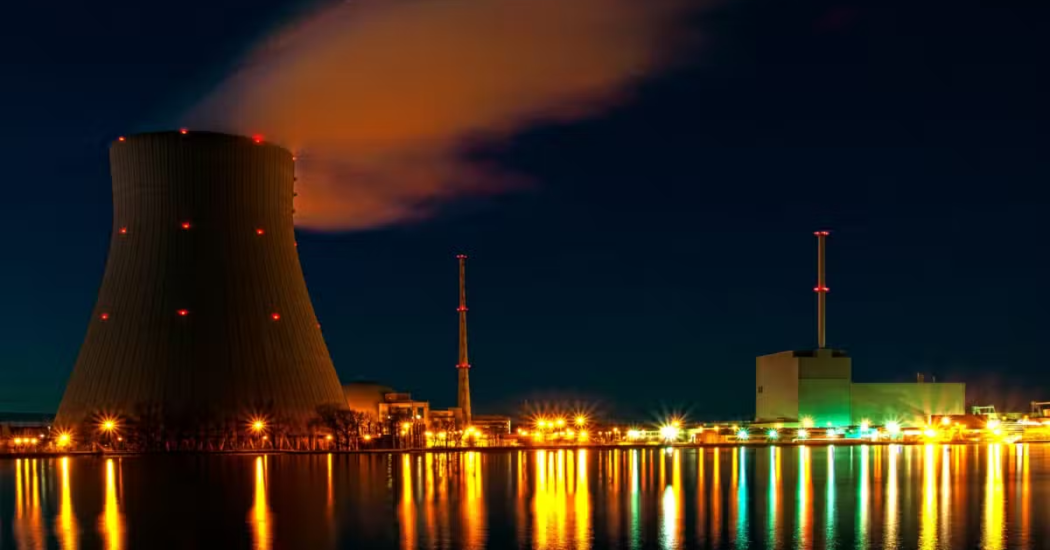
Why Nuclear Energy Matters for Pakistan’s Future Power Needs: A Technical Perspective
As Pakistan continues to address its growing energy requirements, discussions around expanding nuclear electricity generation have gained renewed attention. While nuclear energy offers significant advantages, experts emphasize that national energy planning requires a balanced approach that considers technical, economic, environmental, and operational realities.
Energy planning is a complex process that involves evaluating future electricity demand, fuel availability, generation costs, environmental impacts, grid stability, and long-term sustainability. No single technology can meet all energy requirements efficiently, which is why countries typically rely on a diversified energy mix.
Nuclear power has emerged as one of the most reliable sources of low-carbon electricity worldwide. Unlike renewable energy sources such as solar and wind, which depend on weather conditions, nuclear plants can operate continuously for extended periods. Some reactors are capable of generating electricity for more than a year between refueling outages, making them highly dependable for baseload power generation.
Pakistan has increasingly benefited from nuclear energy, particularly during periods of global uncertainty. Events such as the COVID-19 pandemic, disruptions in international fuel markets following the Russia-Ukraine conflict, and broader geopolitical tensions have highlighted the importance of reliable domestic electricity generation.
One of the key strengths of nuclear power is its ability to produce large amounts of electricity without emitting greenhouse gases during operation. This makes it an important component of global efforts to reduce carbon emissions while maintaining energy security.
However, experts caution against the notion of replacing all fossil fuel-based generation with nuclear energy. Fossil fuel plants continue to play an important role in meeting fluctuating electricity demand because they can adjust output more quickly than most conventional nuclear facilities. Modern combined-cycle gas turbine plants also achieve high efficiency levels, making them valuable assets within a balanced energy system.
Similarly, Pakistan’s indigenous energy resources, particularly Thar coal reserves, are expected to remain an important part of the country’s future energy strategy. Policymakers generally agree that a diversified mix of nuclear, hydropower, renewables, natural gas, and domestic coal offers greater resilience than dependence on a single technology.
Expanding nuclear capacity also presents financial and logistical challenges. Nuclear projects require substantial upfront investment, lengthy construction periods, and specialized financing arrangements. Pakistan’s nuclear power program has largely developed through cooperation with China, which has provided technology, expertise, and financing support for multiple projects.
This partnership has enabled Pakistan to expand its nuclear generation fleet while gaining valuable operational experience. However, long-term success will depend on increasing local expertise, strengthening industrial capabilities, and developing a highly skilled technical workforce capable of supporting future projects.
Safety remains the highest priority in the nuclear sector. Nuclear facilities operate under strict oversight from the Pakistan Nuclear Regulatory Authority and international organizations such as the International Atomic Energy Agency. Modern reactor designs incorporate multiple safety systems and benefit from decades of operational experience and technological improvements.
Emerging technologies such as Small Modular Reactors (SMRs) are also generating interest globally. These advanced reactors promise shorter construction timelines, enhanced safety features, and greater flexibility in managing electricity demand.
Concerns regarding nuclear waste are often discussed in public debates. Experts note that nuclear fuel is extremely energy-dense, meaning relatively small amounts of fuel produce substantial quantities of electricity. As a result, the volume of spent fuel generated remains comparatively small and can be managed through established storage and regulatory procedures.
Another advantage of nuclear energy is its low lifecycle carbon footprint. While emissions occur during uranium mining, fuel processing, and construction activities, overall emissions remain comparable to other low-carbon energy technologies and far below those associated with fossil fuels.
As Pakistan looks toward future energy security and economic growth, nuclear power is expected to remain an important component of the national energy mix. However, industry experts maintain that the most practical path forward lies not in replacing all existing generation sources, but in developing a balanced, diversified, and sustainable electricity system that combines the strengths of nuclear, renewable, hydroelectric, and conventional energy technologies.
