Gilgit-Baltistan authorities have proposed allowing Chinese nationals to enter the region without visas as part of a broader strategy to increase tourism, strengthen economic cooperation, and explore new development opportunities.
The proposal was presented during a high-level briefing on Gilgit-Baltistan’s development priorities and challenges, attended by Pakistan Peoples Party (PPP) Chairman Bilawal Bhutto Zardari and newly elected Gilgit-Baltistan Chief Minister Amjad Hussain on Monday.
Officials highlighted the potential benefits of introducing visa-free access for Chinese visitors, particularly in promoting tourism and improving economic connections between the two regions. The move is being considered as part of efforts to attract more international tourists and encourage greater investment in Gilgit-Baltistan.
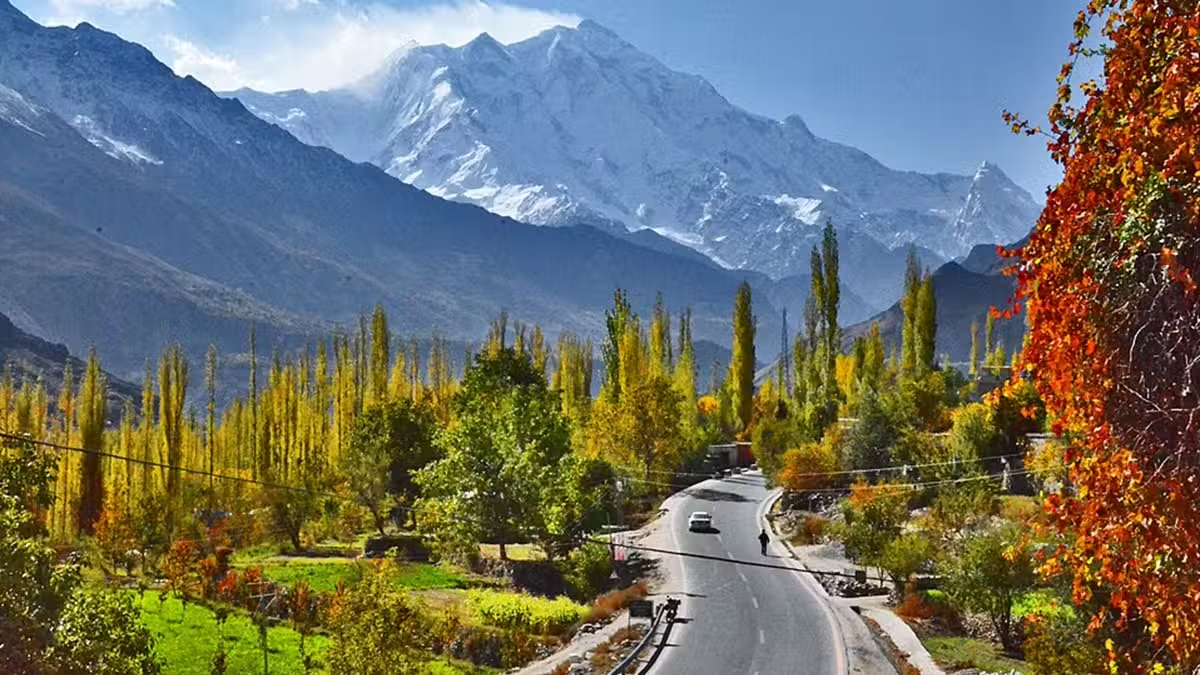
Gilgit-Baltistan is known for its breathtaking mountain landscapes, including some of the world’s highest peaks, and has significant potential as a tourism destination. Authorities believe easier travel procedures could increase visitor numbers from China and contribute to the growth of hotels, transport services, local businesses, and related industries.
The region also holds strategic importance due to its connection with China through the Khunjerab Pass and its role in the China-Pakistan Economic Corridor (CPEC). Officials have emphasized that stronger people-to-people links and improved tourism cooperation could further enhance economic ties between Pakistan and China.
During the briefing, participants discussed various development challenges facing Gilgit-Baltistan, along with opportunities for infrastructure expansion, economic growth, and improved public services. The proposed visa-free policy was presented as one possible initiative to support regional development.
However, the proposal will require approval from relevant federal authorities before any policy changes are implemented. Matters related to immigration, border management, and international travel regulations fall under federal jurisdiction and would need to be reviewed before final decisions are made.
If approved, the initiative could mark a significant step toward expanding tourism cooperation between Pakistan and China. Increased Chinese tourism may also create new opportunities for local communities by generating employment and supporting businesses linked to hospitality, transportation, and tourism services.
Gilgit-Baltistan has been increasingly focusing on tourism-led development, with authorities seeking policies that can unlock the region’s economic potential while maintaining security and sustainable growth. The proposed visa-free entry arrangement reflects ongoing efforts to strengthen regional connectivity and international engagement.