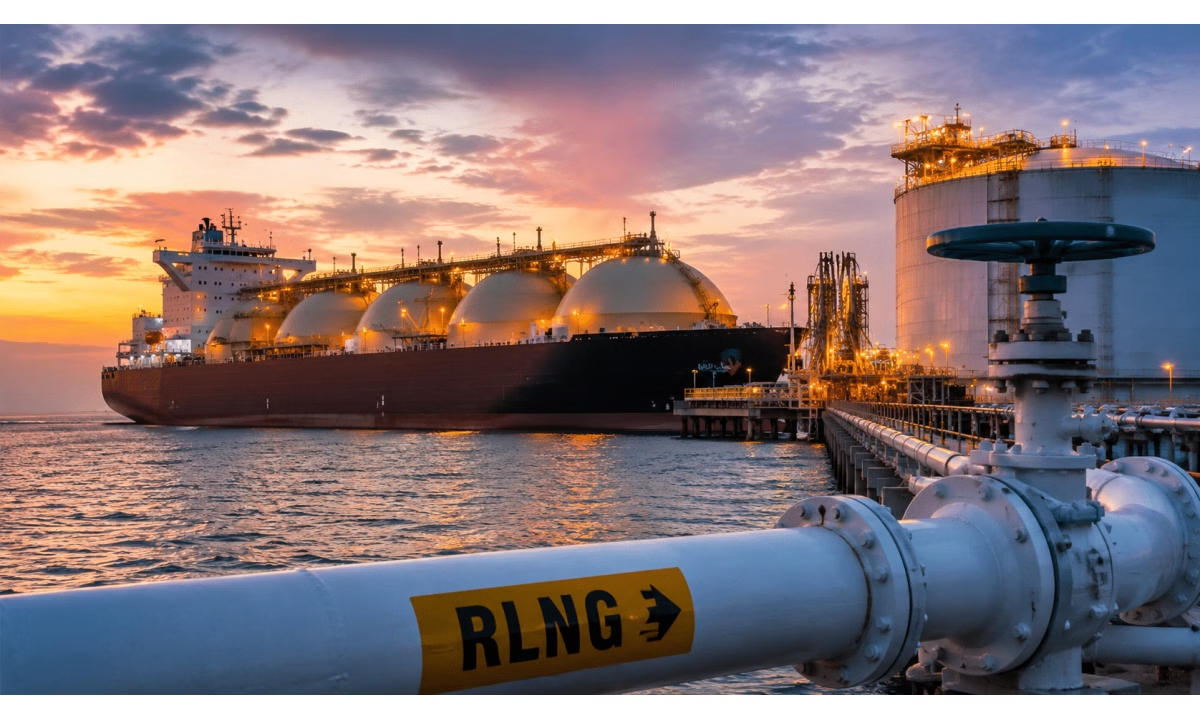
The cost of generating electricity from regasified liquefied natural gas (RLNG) in Pakistan reached an all-time high of Rs. 47.4 per unit in July 2026, highlighting the growing pressure on the country’s power generation costs.
According to data from Topline Securities, the sharp increase came as Pakistan relied heavily on expensive spot LNG cargoes following disruptions to contracted LNG supplies from Qatar.
Data from the National Electric Power Regulatory Authority (NEPRA) shows that RLNG-based power generation costs increased by 242 percent between April and July. The cost rose from less than Rs. 14 per unit in April to Rs. 47.4 per unit in July.
The increase represents a major rise in the cost of producing electricity from RLNG within just a few months. It also reflects the impact that disruptions in international LNG supplies can have on Pakistan’s domestic energy sector.
Pakistan depends on imported LNG to meet part of its energy requirements, particularly when domestic gas supplies are insufficient to meet demand. RLNG is used by power plants to generate electricity, making international gas prices and supply conditions important factors for the country’s electricity costs.
The disruption to contracted supplies from Qatar forced Pakistan to turn more heavily toward spot LNG cargoes. Spot cargoes are purchased on the international market and can become significantly more expensive when global demand rises or supplies are disrupted.
The resulting increase in fuel costs placed additional pressure on RLNG-based electricity generation. At Rs. 47.4 per unit, the July generation cost represents a substantial increase compared with the level recorded just three months earlier.
The sharp rise could also have wider implications for Pakistan’s energy sector. Higher fuel costs can increase the overall cost of electricity generation and place additional financial pressure on the power sector.
The development is particularly significant for Pakistan because electricity generation costs already face pressure from fuel prices, exchange-rate movements, capacity payments and other components of the power sector.
The latest figures also demonstrate the vulnerability of imported fuel-dependent power generation to international supply disruptions. When long-term contracted supplies are interrupted, replacing them with spot-market purchases can expose electricity producers to much higher prices.
The increase in RLNG generation costs could therefore strengthen the importance of securing reliable LNG supplies and maintaining a diversified energy strategy. Stable long-term contracts can provide greater predictability, although global market conditions can still affect the overall cost of imported energy.
For consumers and businesses, higher generation costs can add to concerns about electricity affordability and industrial operating expenses. However, the eventual impact on consumer electricity tariffs depends on regulatory decisions and the broader cost structure of the power sector.
The July figures are also likely to attract attention from policymakers as Pakistan evaluates its future energy requirements. Managing the cost and availability of imported LNG remains an important challenge for ensuring reliable electricity generation.
The jump from below Rs. 14 per unit in April to Rs. 47.4 per unit in July underscores how quickly RLNG generation costs can change when international supply conditions deteriorate.
As Pakistan continues to manage its energy needs, the latest record-high RLNG generation cost highlights the financial risks associated with dependence on expensive spot LNG cargoes and disruptions in contracted supplies.