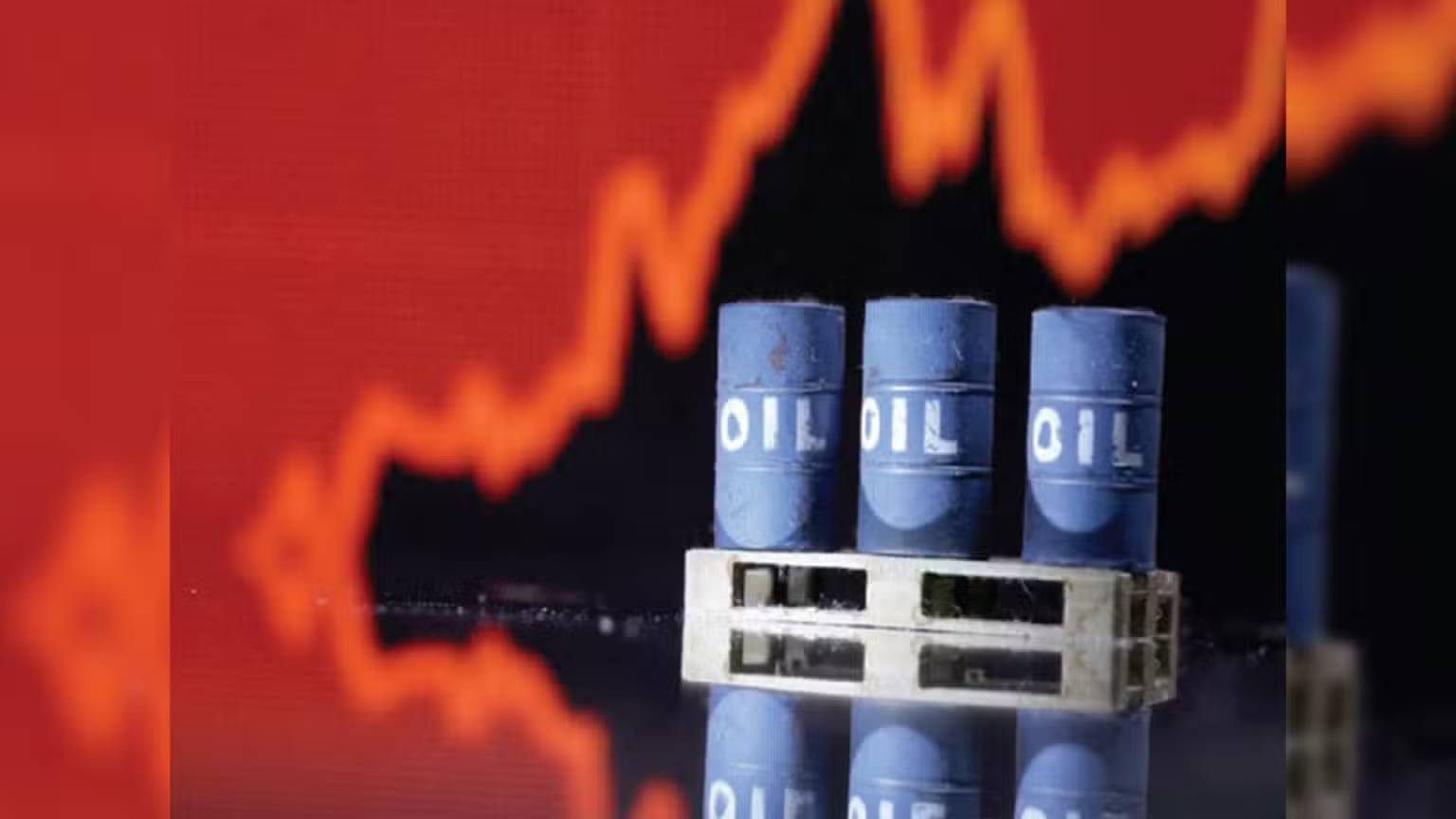
Global oil prices have climbed above $100 a barrel for the first time since July as the escalating US-Iran conflict raises fresh concerns about crude supplies and shipping through the Middle East.
Brent crude, the international benchmark, gained around 2.1% on Wednesday, moving slightly above the $100 mark. The latest surge marks the first time Brent has crossed that level since July 24.
The sharp rise reflects growing uncertainty in global energy markets. Investors are increasingly concerned that continued military action could disrupt oil production, transportation and exports from one of the world’s most important energy-producing regions.
Tensions have intensified around the Strait of Hormuz, a critical waterway through which a significant share of the world’s oil shipments passes. Any prolonged disruption in the area could place additional pressure on crude supplies and push energy prices higher.
US forces reported that they destroyed five Iranian crude oil tankers on Tuesday. The action followed attacks by Iran’s Islamic Revolutionary Guard Corps involving a US warship, further escalating the confrontation between Washington and Tehran.
The developments have added a new risk premium to oil prices. Traders are closely watching military activity because even limited interruptions to shipping routes can create significant uncertainty for refineries, fuel suppliers and international buyers.
Higher crude prices could also affect consumers beyond the energy sector. Rising oil costs often increase transportation expenses, which can eventually put pressure on the prices of food, manufactured goods and other products that depend on fuel-intensive supply chains.
For countries that rely heavily on imported energy, the increase could become an additional economic challenge. Higher import bills can put pressure on foreign exchange reserves, inflation and government efforts to control fuel prices.
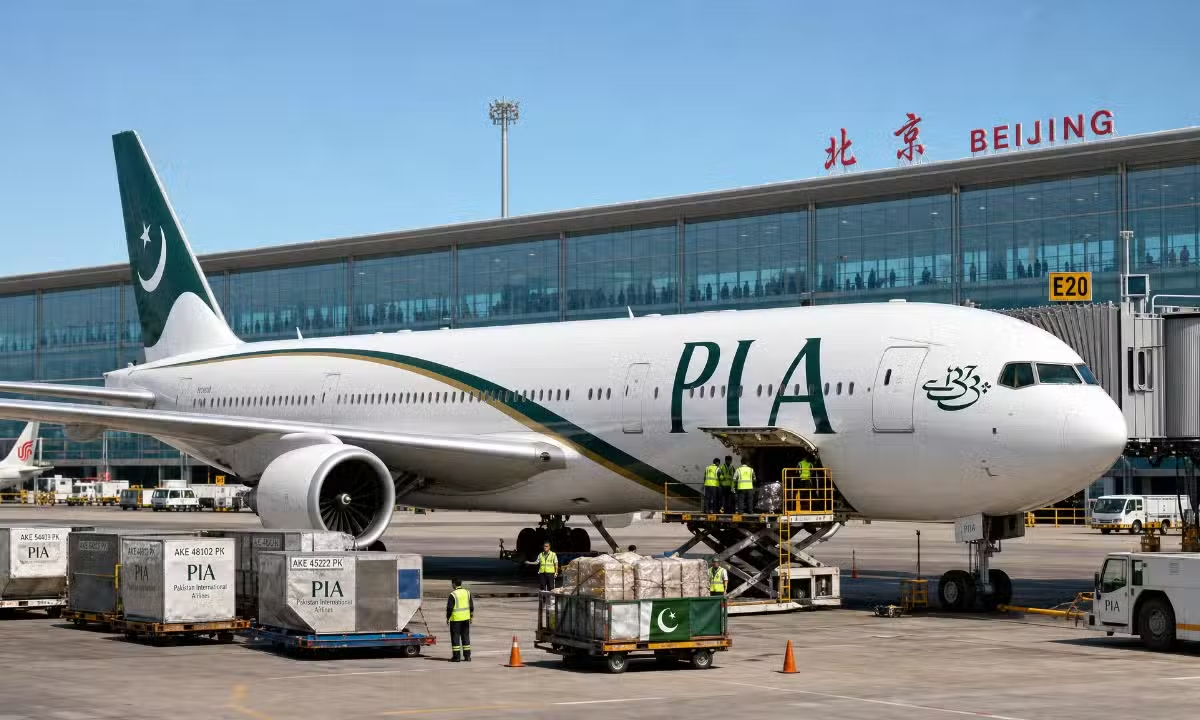
Pakistan could also face the impact of a sustained rise in international oil prices. The country imports a large portion of its petroleum requirements, meaning a prolonged increase in global crude prices can influence domestic fuel costs and transportation expenses.
The situation is particularly important for businesses and households already dealing with higher living costs. Any further increase in international energy prices could affect everything from public transportation and logistics to electricity generation and industrial production.
Market participants are now watching developments around the Strait of Hormuz and the broader US-Iran conflict for signs of whether the supply risks will intensify or ease.
The key question for oil markets is how long the disruption and geopolitical uncertainty will continue. If shipping remains under pressure or additional energy infrastructure becomes involved in the conflict, crude prices could remain elevated.
However, a reduction in military tensions or the restoration of secure shipping routes could ease some of the pressure on oil markets. Traders are therefore expected to remain highly sensitive to announcements from the United States, Iran and other countries involved in regional diplomacy.
The move above $100 a barrel represents an important psychological threshold for the global energy market. With the conflict still developing, oil prices are likely to remain closely linked to geopolitical developments and the security of major Middle Eastern shipping routes.