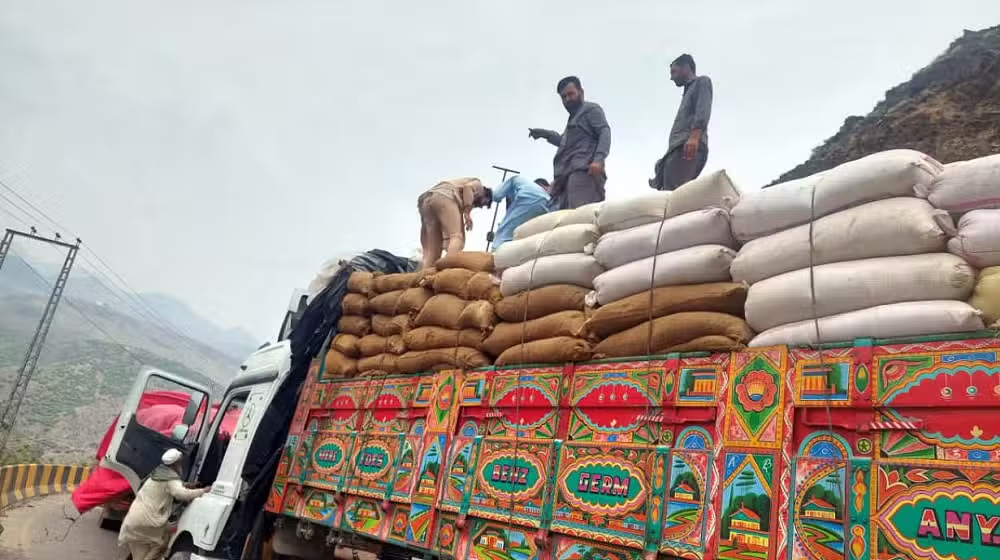
Pakistan has approved the export of 250,000 tons of sugar from stocks currently available in the domestic market, a decision that could influence local sugar prices ahead of the upcoming crushing season.
The decision was taken by a committee headed by Deputy Prime Minister Ishaq Dar. The proposal will now be presented to the Economic Coordination Committee (ECC) and the federal cabinet for final approval.
Under the approved plan, the sugar designated for export will be sourced from supplies available in the domestic market. Officials clarified that the export quantity will not be taken from the stock maintained by the Trading Corporation of Pakistan (TCP).
The proposed export comes at an important time for Pakistan’s sugar industry, with the next crushing season approaching. Sugar mills and growers are preparing for the new season, while authorities are also monitoring domestic supplies and prices.
Exporting a significant quantity of sugar could have an impact on the local market. If domestic supplies become tighter following exports, prices could face upward pressure, particularly if production or market availability does not meet consumer demand.
The government will therefore need to balance export opportunities with the requirement to maintain sufficient sugar supplies for domestic consumers. The final decision by the ECC and federal cabinet will determine whether the proposed exports can proceed.
The move could provide an opportunity for the sugar industry to benefit from international demand and foreign exchange earnings. However, maintaining stable prices in the domestic market remains an important consideration for policymakers.
The distinction between market stocks and TCP reserves is also significant. Since the proposed export sugar will not be sourced from TCP stocks, the government is expected to continue retaining its existing strategic supplies.
Pakistan’s sugar sector regularly faces debate over production, exports, imports and domestic prices. Decisions on sugar exports can have a direct effect on consumers, farmers, millers and traders, making government policy closely watched by the market.
Ahead of the crushing season, market participants will be monitoring sugar availability and price movements. Any changes in production estimates or domestic demand could also influence the impact of the proposed exports.
The proposal is not yet the final approval for exports, as it still needs to go through the ECC and federal cabinet. The outcome of those approvals will determine whether Pakistan formally moves ahead with exporting the 250,000 tons.
For consumers, the key concern will remain the availability and affordability of sugar in the domestic market. Authorities will need to assess supply levels carefully to ensure that exports do not create unnecessary pressure on local prices.
The government’s upcoming decision could therefore have wider implications for Pakistan’s sugar market as the country moves toward the new crushing season.