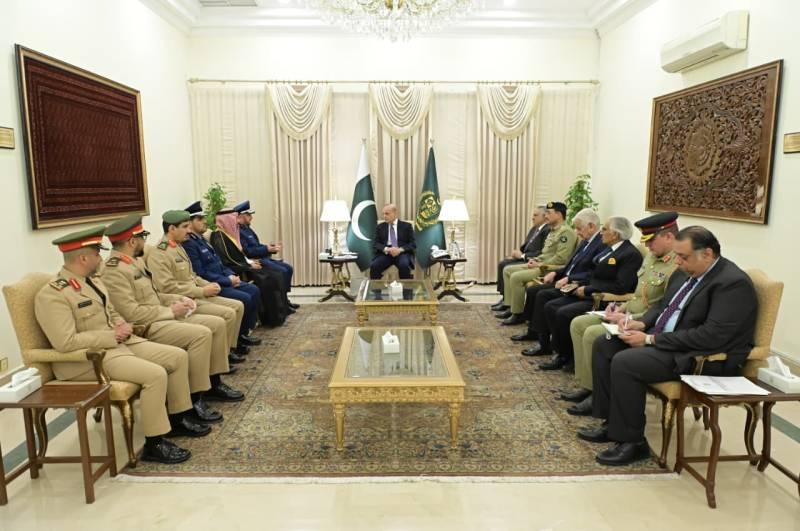
Prime Minister Shehbaz Sharif has approved a revised financial assistance package for families of federal government employees who die while in service, significantly expanding financial support available to bereaved families.
The revised package increases lump-sum compensation and provides broader assistance related to housing, education, healthcare and other welfare needs. The new provisions have been made effective from August 28, 2026.
The Establishment Division issued the revised assistance package on September 8, 2026, updating the government’s existing framework for families of employees who die during service.
For ordinary in-service deaths, the revised lump-sum grant will depend on the employee’s basic pay scale. Families of employees in BS-1 to BS-4 will receive Rs. 600,000, while those in BS-5 to BS-10 will be entitled to Rs. 900,000.
Employees in BS-11 to BS-15 will have a lump-sum grant of Rs. 1.2 million, while families of BS-16 and BS-17 employees will receive Rs. 1.5 million.
For higher-grade federal employees, the financial assistance increases further. Families of employees in BS-18 and BS-19 will receive Rs. 2.4 million, while the maximum ordinary in-service death grant has been set at Rs. 3 million for BS-20 and above.
The revised policy also provides significantly higher compensation in cases involving security-related deaths. Depending on the employee’s pay scale and circumstances, the assistance can reach up to Rs. 20 million.
Under the security-related provisions, deaths occurring in incidents such as encounters, bomb blasts, riots, terrorism and certain official security duties qualify for enhanced financial assistance. This creates a major difference between ordinary in-service deaths and deaths connected to security-related incidents.
The revised package is aimed at providing greater financial protection to families at a time when the loss of a government employee can create serious economic challenges. By increasing the compensation and broadening welfare support, the government has sought to strengthen the safety net available to affected families.
Housing support is also an important part of the revised assistance framework. Families of deceased government employees can receive support related to government accommodation or housing facilities, subject to the conditions and rules specified in the revised package.
Education-related assistance is another major area covered by the policy. The package provides support for the children of deceased employees, helping families manage education expenses and maintain access to educational opportunities after the loss of their main earning member.
Healthcare and other welfare provisions have also been included as part of the broader assistance framework. These measures are intended to reduce the financial pressure faced by families following the death of a federal government employee.
The revised assistance package is expected to provide clearer and more substantial support to eligible families across different federal government departments and ministries. The level of financial assistance will depend on the employee’s pay scale and the circumstances surrounding the death.
The announcement is particularly significant for federal employees because the package combines direct financial compensation with longer-term welfare measures. This approach gives families support beyond the initial lump-sum payment.
For families seeking assistance under the revised policy, eligibility, documentation and applicable procedures will remain important. Relevant government departments are responsible for processing cases according to the revised rules and ensuring that eligible beneficiaries receive the assistance available to them.
The revised policy represents an important update to the federal government’s assistance system for employees who die during service. With ordinary death grants reaching Rs. 3 million and security-related compensation going as high as Rs. 20 million, the new framework provides increased financial protection for families during a difficult period.