





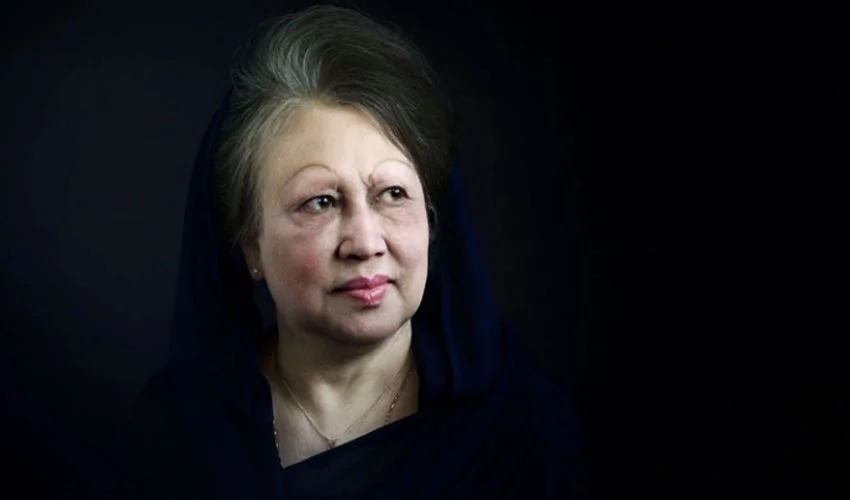
Bangladesh’s two-time PM Khaleda Zia passes away at 80
Bangladesh’s first female prime minister and veteran opposition leader Begum Khaleda Zia passed away early Tuesday morning at Evercare Hospital in Dhaka after a prolonged illness. She was 80 years old. Khaleda Zia, the chairperson of the Bangladesh Nationalist Party (BNP), had been admitted to the hospital on November 23 with a lung infection and was suffering from advanced liver cirrhosis, chronic heart complications, diabetes, and arthritis.
Her family and senior BNP leaders, including her eldest son Tariq Rahman and party secretary Mirza Fakhrul Islam Alamgir, were present during her final moments. The medical board overseeing her treatment also attended her bedside.
Born on August 15, 1946, in Dinajpur, Khaleda Zia entered politics following the assassination of her husband, former president and BNP founder Ziaur Rahman, in 1981. Initially considered politically inexperienced, she quickly rose to prominence, playing a key role in ending the military rule of Hussain Muhammad Ershad in 1990. In 1991, she became Bangladesh’s first female prime minister after the country’s first widely recognised free election. She was also the second woman to lead a democratic government in a Muslim-majority country, following Pakistan’s Benazir Bhutto.
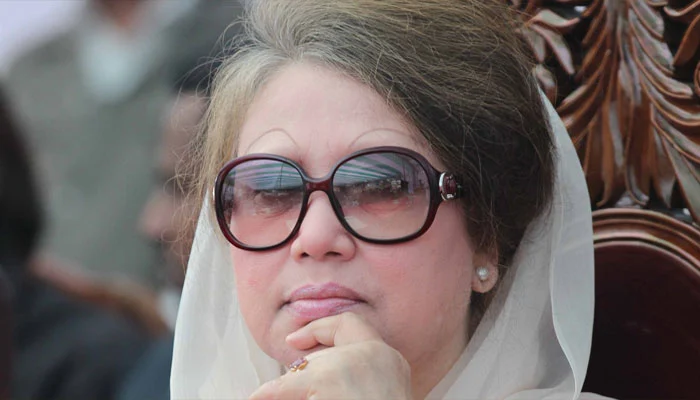
During her tenure, Khaleda Zia restored the parliamentary system, promoted foreign investment, and implemented policies making primary education free and compulsory. Her political career was marked by a long-standing rivalry with Awami League leader Sheikh Hasina, known as the era of the “Battling Begums,” which saw alternating periods of power, street protests, election boycotts, and military-backed emergency rule.
Khaleda Zia faced legal and health challenges in her later years. In 2018, she was jailed on corruption charges linked to an orphanage trust, which she denied, describing them as politically motivated. Declining health and travel restrictions further limited her ability to seek medical treatment abroad. BNP officials have yet to announce funeral prayers and burial arrangements.
Prime Minister Shehbaz Sharif expressed deep sorrow over Khaleda Zia’s passing, acknowledging her significant role in shaping Bangladesh’s political landscape and her contributions to the country’s development. He also highlighted her friendship with Pakistan and offered condolences to her family and the people of Bangladesh, praying for her soul.
President Asif Ali Zardari also mourned her death, praising her decades-long political service and resilience, while extending sympathies to her family and the people of Bangladesh.
Khaleda Zia’s passing marks the end of a defining chapter in Bangladesh’s political history, with a legacy of leadership, resilience, and commitment to public service that will be remembered across South Asia.