


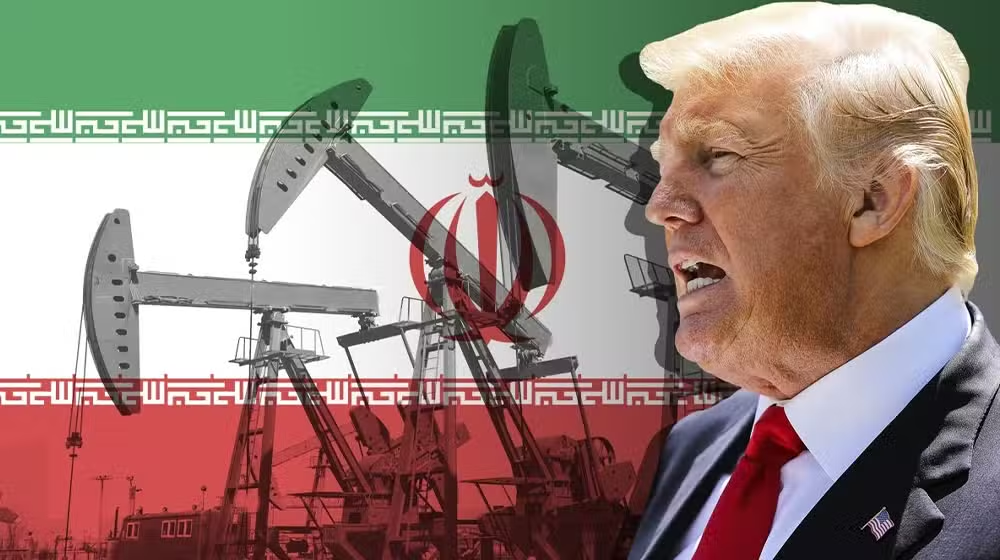
Brent Surges Past $115 as Middle East Conflict Deepens and Supply Risks Intensify
Global oil markets are on edge as Brent Crude surged above $115 per barrel, driven by escalating tensions in the Middle East. The spike follows intensifying conflict involving Iran, Israel, and regional actors, raising serious concerns about prolonged supply disruptions.
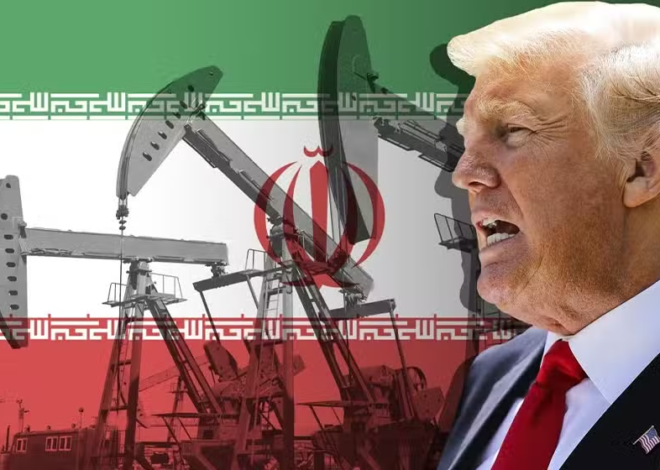
The situation worsened after Iran rejected a US-backed peace proposal, signaling a widening diplomatic rift. Donald Trump extended a deadline for potential military action, hinting at ongoing negotiations, but Tehran’s firm stance has dampened hopes for a quick resolution.
A major development in the conflict is the entry of the Houthis, an Iranian-backed group, which has formally joined the confrontation. While their recent missile strike had limited immediate impact, analysts warn their involvement could significantly escalate the crisis, particularly if key maritime routes are targeted.
Attention is now focused on two critical chokepoints: the Strait of Hormuz and the Bab al-Mandeb Strait. The Strait of Hormuz alone handles nearly 20 percent of global oil and gas flows, and disruptions there have already tightened supply. Meanwhile, any threat to Bab al-Mandeb could further choke international shipping routes, creating a worst-case scenario for energy markets.
Since the conflict escalated in late February, shipping activity through these vital corridors has dropped sharply, contributing to the surge in oil prices. Traders are increasingly factoring in geopolitical risk, expecting continued volatility in the weeks ahead.
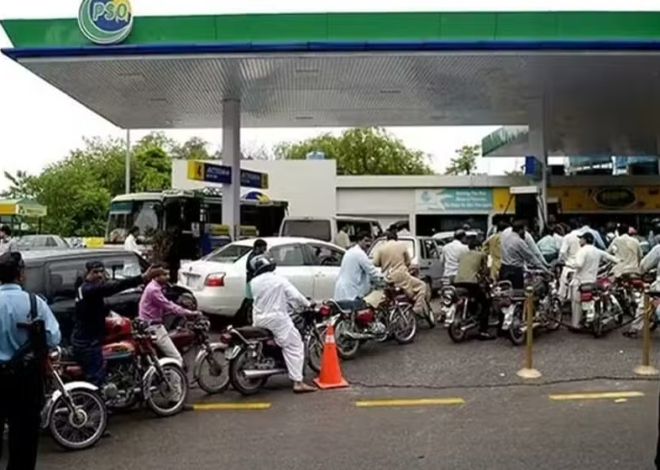
For oil-importing countries like Pakistan, rising crude prices could translate into higher fuel costs, increased inflation, and added pressure on foreign exchange reserves. The ongoing crisis highlights the fragile balance of global energy supply and the far-reaching consequences of geopolitical instability.
If tensions persist and critical supply routes remain under threat, oil markets may continue to experience sharp price swings, keeping governments and investors on high alert.