





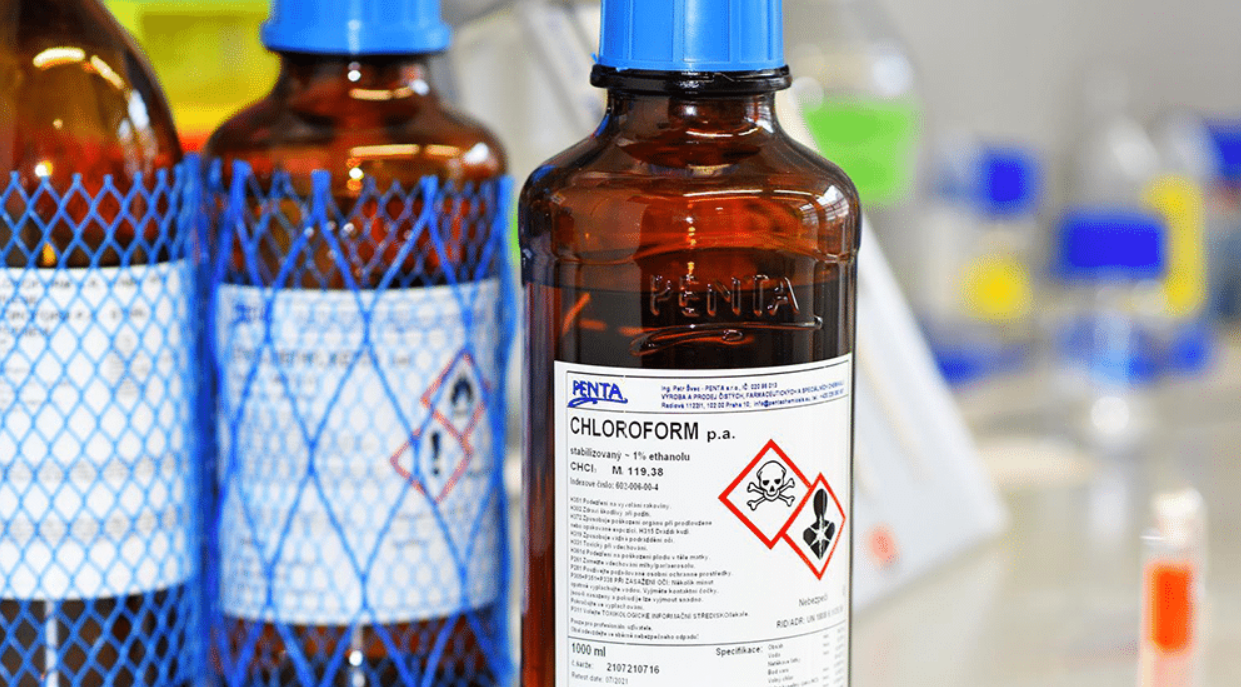
Government Bans General Import of Chloroform, Restricts Use to Pharmaceutical Sector
The federal government has imposed a ban on the general import of chloroform, limiting its entry into the country strictly to pharmaceutical companies and related sectors. The decision marks a significant regulatory step aimed at tightening control over substances considered harmful to public health and the environment.
According to an official notification issued by the Ministry of Commerce, amendments have been made to the Import Policy Order 2022. The changes were approved by the Economic Coordination Committee of the federal cabinet and are now in effect. Under the revised policy, chloroform can no longer be imported freely by commercial entities or individuals outside the pharmaceutical domain.
Officials familiar with the matter said the move was taken in response to growing concerns over the misuse and uncontrolled circulation of chloroform. The substance, while used legitimately in certain medical and industrial applications, is known to pose serious health risks if handled improperly or diverted for unauthorized purposes.
Under the new framework, only pharmaceutical companies or sectors directly linked to regulated medical use will be eligible to import chloroform. Even for these entities, the import process will not be automatic. Each shipment will require a no-objection certificate issued by the Drug Regulatory Authority of Pakistan, ensuring strict oversight at every stage.
Authorities say the requirement for prior approval from DRAP is designed to create a clear audit trail and prevent the chemical from being diverted into unregulated markets. The measure is expected to enhance transparency and accountability in the handling of sensitive substances.
Chloroform has historically been used in the pharmaceutical industry as a solvent and in controlled laboratory processes. However, experts note that prolonged exposure or misuse can have severe consequences for human health, including respiratory and neurological effects. Environmental experts also warn that improper disposal can contaminate air and water sources.
The government’s decision reflects a broader effort to strengthen import controls and align Pakistan’s chemical regulation standards with international best practices. By narrowing the scope of permissible importers, policymakers aim to balance legitimate industrial needs with public safety considerations.
Industry observers believe the restriction may slightly increase compliance requirements for pharmaceutical firms but say it will ultimately help streamline regulation and reduce risks. Companies operating within the legal framework are expected to adapt quickly by integrating the new NOC requirement into their procurement processes.
Officials emphasized that the ban does not affect the availability of essential medicines, as legitimate pharmaceutical use will continue uninterrupted. Instead, the focus is on preventing misuse and ensuring that chloroform remains accessible only where it is medically justified.
The revised import policy is part of ongoing efforts by the government to regulate hazardous substances more effectively, reinforcing safeguards for public health while maintaining support for essential industries.