




Inquiry Report Exposes Safety Lapses Behind Gul Plaza Fire Tragedy
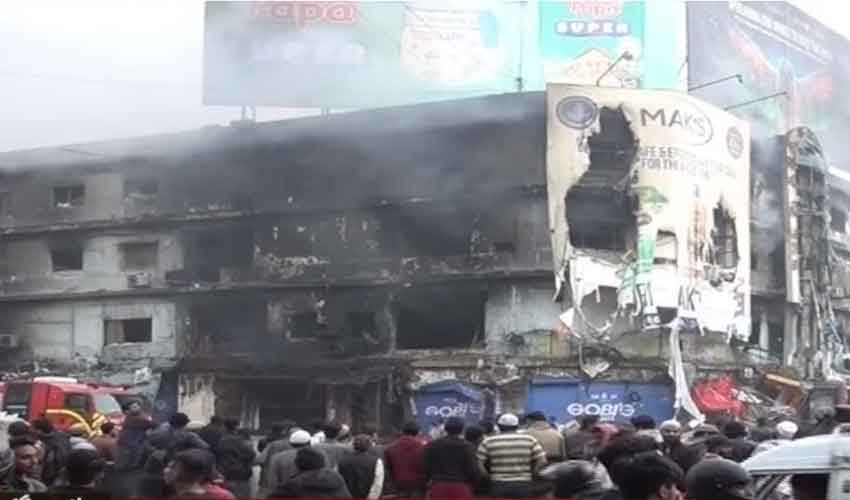
An official inquiry report into the devastating Gul Plaza fire has revealed a series of safety failures and emergency response shortcomings that significantly worsened the tragedy. The 21-page report provides a detailed account of how negligence, poor preparedness, and inadequate firefighting resources contributed to the scale of the incident.
According to the findings, the fire broke out at a Flower and Gift shop after a matchstick ignited artificial flowers. The situation escalated quickly due to the presence of highly flammable materials inside the shop, allowing the flames to spread rapidly across the building. A worker from a neighboring shop witnessed the initial moments of the fire.
The report highlights a serious act of negligence by the shop owner, who had left an 11-year-old child unattended in the store before leaving. The inquiry committee termed this decision as gross negligence, noting that the lack of supervision played a role in the incident unfolding unchecked during its early stages.
Further failures were identified in the building’s response to the fire. The floor guard reportedly switched off electricity just five minutes after the blaze started, a move that created panic among the estimated 2,500 people present in the plaza at the time. The report also pointed to unsafe and poorly maintained electrical systems, which intensified the fire instead of containing it.
While three to four exit gates on the ground floor were open, thick smoke quickly blocked stairways and escape routes. This trapped several people inside shops and upper floors. By around 10:50 to 10:55 pm, the fire had reached third-degree intensity and had engulfed the entire building, making rescue operations increasingly difficult.
The inquiry also exposed major shortcomings in the emergency response. Firefighting equipment available at the site proved largely ineffective, and there was a significant delay in the arrival of water supply. The first water bowser reached Gul Plaza at 11:53 pm, nearly an hour after the fire began.
Continuous water supply only started after midnight, by which time the fire had already caused extensive damage. Rescue efforts were further hampered due to the unavailability of essential tools such as metal cutters. Iron grilles could not be removed in time, delaying access to trapped individuals.
Firefighters on the scene were also found to be inadequately equipped. The report noted a lack of proper tools and protective gear, limiting their ability to respond effectively to the rapidly worsening situation.
The inquiry report paints a troubling picture of systemic failures, from weak safety standards and lack of supervision to poor emergency preparedness. It stresses the urgent need for stricter enforcement of safety regulations, regular inspections, and improved emergency response mechanisms in commercial buildings to prevent similar tragedies in the future.