
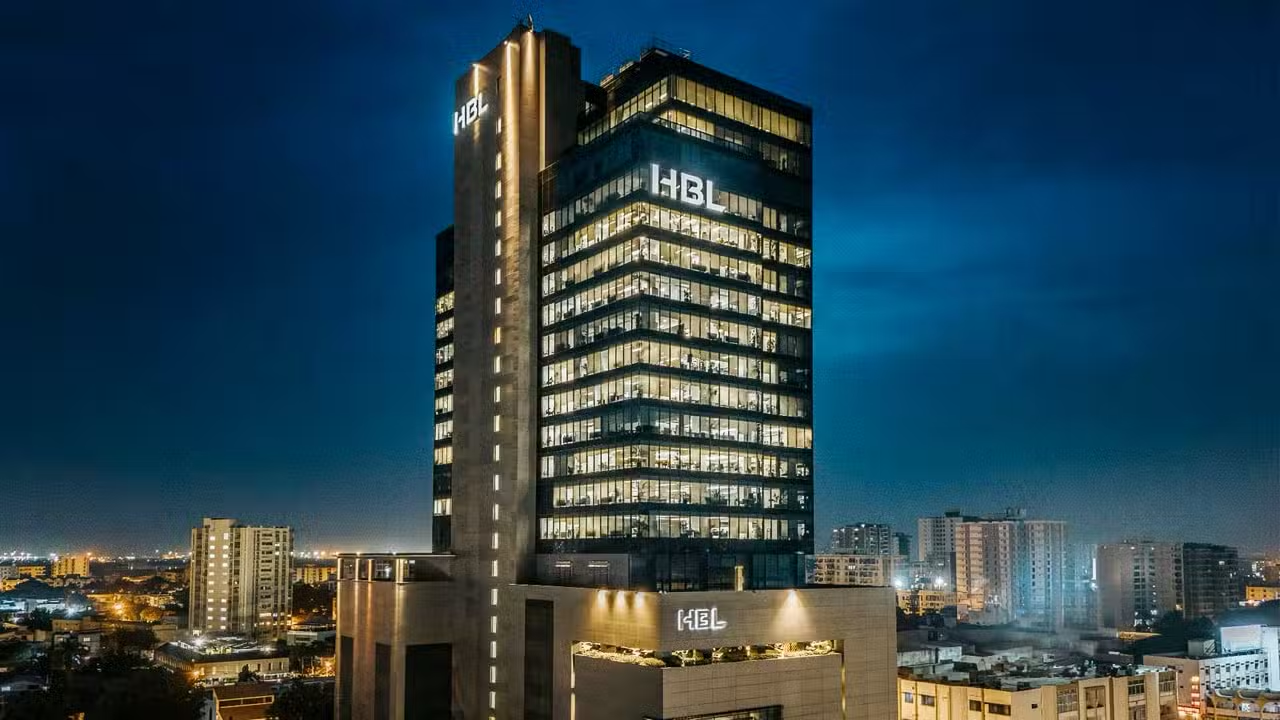
HBL Pakistan Manufacturing PMI Hits 10-Month High as Industrial Momentum Strengthens
Pakistan’s manufacturing sector closed 2025 on a positive note as the HBL Pakistan Manufacturing Purchasing Managers’ Index (PMI) rose to a 10-month high in December. Compiled by S&P Global, the PMI increased to 52.8 from 52.3 in November, marking its strongest reading since February and signaling a sustained expansion in manufacturing activity.
The improvement was driven by a solid rise in production and stronger demand conditions. New orders accelerated at their fastest pace since March, with survey respondents attributing the uptick to business expansion initiatives and improvements in product quality. The data suggests that manufacturers are benefiting from renewed confidence among buyers and a gradual normalization of operating conditions.
A particularly encouraging sign was the return of growth in new export orders, recorded for the first time in six months. Businesses cited stronger international demand and enhanced product standards as key factors supporting overseas sales. This development points to improving competitiveness for Pakistani manufacturers in global markets.
Despite higher output levels, capacity pressures remained limited. Work backlogs declined at one of the sharpest rates on record, indicating that firms were largely able to meet increased demand without operational strain. Employment levels rose for the second consecutive month as companies hired additional staff and extended working hours in anticipation of stronger order inflows.
Manufacturers also increased their input purchases during the month, with many firms opting to build inventories as a hedge against potential price increases. As a result, raw material stockpiles recorded their steepest rise since the PMI survey began, reflecting both precautionary behavior and confidence in future production needs.
This industrial momentum has unfolded alongside a broader transformation in Pakistan’s financial ecosystem during 2025. The year saw significant modernization and consolidation across the banking and financial sectors, which helped improve access to capital and payment efficiency for businesses. Developments such as the merger of Silk Bank into UBL, the entry of digital-first players like Mashreq Bank and Easypaisa, and the rollout of the State Bank’s PRISM+ payment system strengthened financial infrastructure and transparency.
At the same time, the international expansion of fintech platforms such as ABHI and Haball into Saudi Arabia and the UAE opened new channels for SME lending and supply-chain financing. These advances have provided manufacturers with improved tools to manage working capital and support cross-border trade.
Commenting on the latest PMI data, Humaira Qamar, Head of Equities and Research at HBL, noted that business confidence reached its highest level since July. She highlighted expectations of improved economic and inflationary conditions, reinforced by the State Bank’s recent decision to cut interest rates by 50 basis points, signaling confidence in inflation remaining within the 5–7 percent range and in meeting foreign exchange reserve targets by June 2026.
For investors and analysts, the PMI remains a key leading indicator of economic momentum. The latest reading suggests that Pakistan’s manufacturing sector is entering 2026 with improving fundamentals, supported by stronger demand, better financial access, and rising business confidence.