





Hydrogen-Powered Aircraft Unlikely Before Next Century, Says Safran Chief
Hydrogen-powered airplanes, often promoted as a future solution to reduce aviation’s carbon footprint, are unlikely to become a practical reality in the near term, according to the head of France’s leading aircraft engine maker Safran. The assessment casts fresh doubt on ambitious timelines set by parts of the aviation industry to transition away from fossil fuels.
Speaking before a French parliamentary committee, Safran Chief Executive Olivier Andries said hydrogen aviation technology is more suited to the next century rather than the coming decades. His remarks underline the scale of technical, economic, and infrastructure challenges still facing the concept.
Hydrogen has attracted attention across the aviation and automotive sectors because burning it produces only water, offering a theoretical pathway to eliminating greenhouse gas emissions from flight. However, Andries emphasized that theory and real-world deployment remain far apart. While Safran already has engines that can technically run on hydrogen, he said the broader ecosystem required to support hydrogen-powered aircraft is far from ready.
One of the most significant obstacles lies in storage. Liquid hydrogen must be kept at extremely low temperatures, around minus 253 degrees Celsius, and even then it occupies roughly four times the space of conventional jet fuel. According to Andries, this alone makes hydrogen incompatible with existing aircraft designs, which are optimized around kerosene-based fuel systems.
Adopting hydrogen would therefore require a complete rethink of aircraft architecture, along with massive investment in airport infrastructure worldwide. Storage facilities, refuelling systems, safety protocols, and supply chains would all need to be built from scratch, requiring billions of euros in funding and years of coordinated global effort.
Andries cautioned policymakers against pursuing ideas that do not align with the current aviation ecosystem. He stressed that technological transitions must be realistic and compatible with existing systems if they are to succeed at scale.
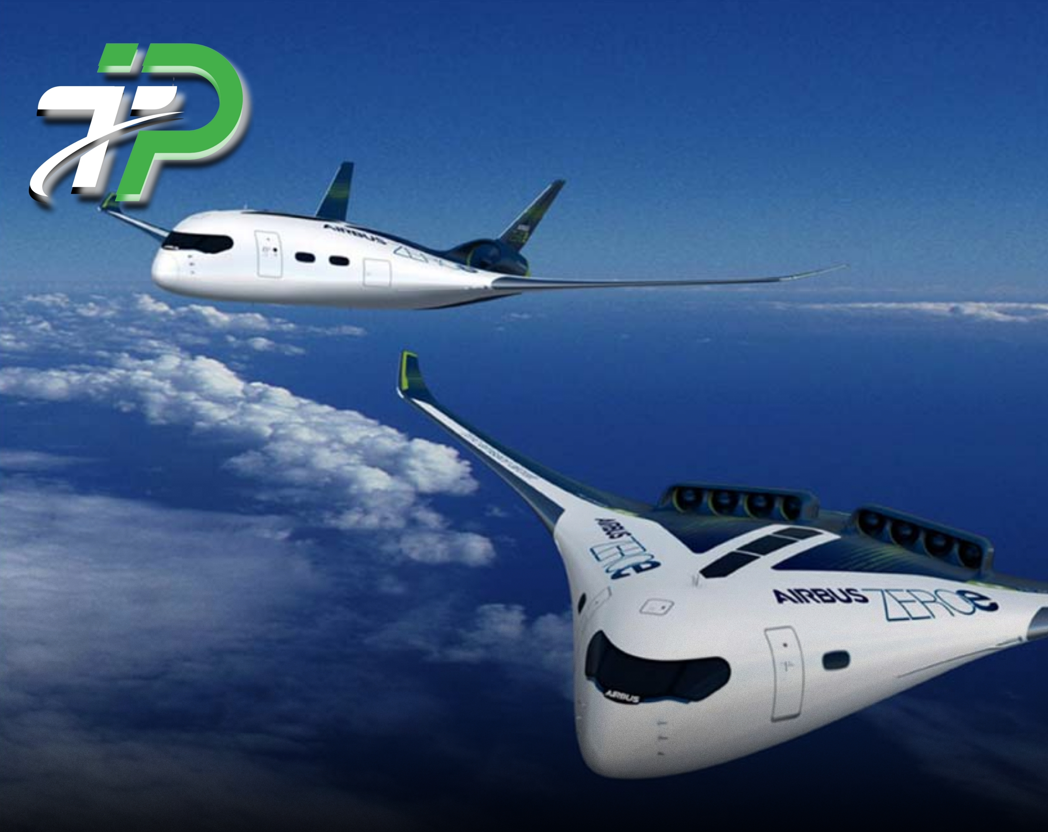
Pan-European aircraft manufacturer Airbus has been among the most vocal proponents of hydrogen-powered planes, targeting entry into service around the 2040s. However, Airbus itself acknowledged last year that progress has been slower than initially hoped, reflecting the complexity of the challenge outlined by Safran.
Beyond technology, Andries also questioned whether limiting air travel is a viable strategy for cutting emissions. He noted that global demand for flying continues to rise despite growing awareness of climate change. More than five billion people traveled by air last year, and airline industry revenues have already surpassed pre-pandemic levels by around 20 percent.
According to Andries, the growth trajectory of aviation remains strong, particularly in emerging economies. He cited India’s expanding middle class as an example of populations eager to fly, suggesting that environmental concerns have yet to significantly curb global air traffic growth.
While the aviation sector has committed to reducing emissions to half of 2005 levels by 2050, Andries’ comments highlight the tension between climate ambitions and market realities. His remarks suggest that while hydrogen may eventually play a role in aviation, near-term emissions reductions are more likely to come from efficiency gains, sustainable aviation fuels, and incremental technological improvements rather than a rapid shift to hydrogen-powered aircraft.