


IMF makes new demands from Pakistan under $7bn loan program
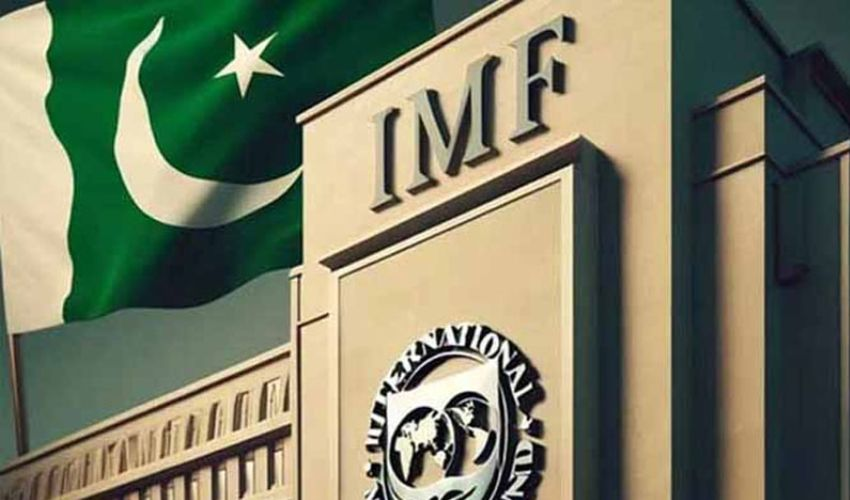
The International Monetary Fund has reportedly placed fresh demands on Pakistan under the ongoing $7 billion loan program, with potential implications for the country’s emerging electric and hybrid vehicle industry. According to sources, the new conditions focus on ending long-standing sales tax exemptions that were introduced to promote cleaner and locally manufactured transportation.
Sources familiar with the discussions say the IMF has asked Pakistan to abolish sales tax exemptions on locally manufactured electric vehicles and electric bikes. Under the proposal, these products would be brought under the standard 18 percent General Sales Tax from the fiscal year 2026–27. If implemented, this would mark a major shift in government policy aimed at encouraging electric mobility.
The IMF has also turned its attention to hybrid electric vehicles manufactured locally. At present, these vehicles benefit from special tax relief measures designed to support the adoption of fuel-efficient and environmentally friendly technology. The lender, however, has urged Pakistan to phase out these incentives as part of broader tax reforms.
Currently, locally manufactured hybrid electric vehicles remain fully exempt from sales tax until June 30, 2026. After that deadline, a reduced tax structure applies, with an 8.5 percent sales tax on vehicles up to 1,800cc and 12.75 percent on vehicles up to 2,500cc. The IMF now wants these concessions removed altogether and replaced with the normal tax regime.
According to sources, these demands were raised during talks with the Ministry of Industries and Production. The IMF has reportedly called for the removal of sales tax exemptions listed under the Eighth Schedule of the Sales Tax Act, which currently shields locally manufactured electric and hybrid vehicles, as well as electric bikes, from standard taxation.
By shifting these products into the normal tax framework, the IMF aims to broaden Pakistan’s tax base and reduce distortions created by exemptions. However, industry experts warn that such a move could have far-reaching consequences for pricing, affordability, and consumer demand in the electric vehicle market.
If the government accepts the IMF’s proposal, the tax exemption on locally manufactured electric vehicles, hybrid vehicles, and electric bikes would effectively end from the next fiscal year. This could lead to higher retail prices, potentially slowing down Pakistan’s transition towards cleaner transportation at a time when global markets are pushing aggressively for electrification.
The development highlights the difficult balance Pakistan faces between meeting IMF conditions for financial stability and sustaining growth in emerging industries. While the government has yet to officially confirm these changes, the proposed measures signal that further tough fiscal decisions may be on the horizon as Pakistan works to comply with the requirements of the $7 billion IMF program.