



Karachi Waste Management: Karachi’s Mounting Garbage Crisis Reaches Critical Levels
Alarming Waste Generation Figures
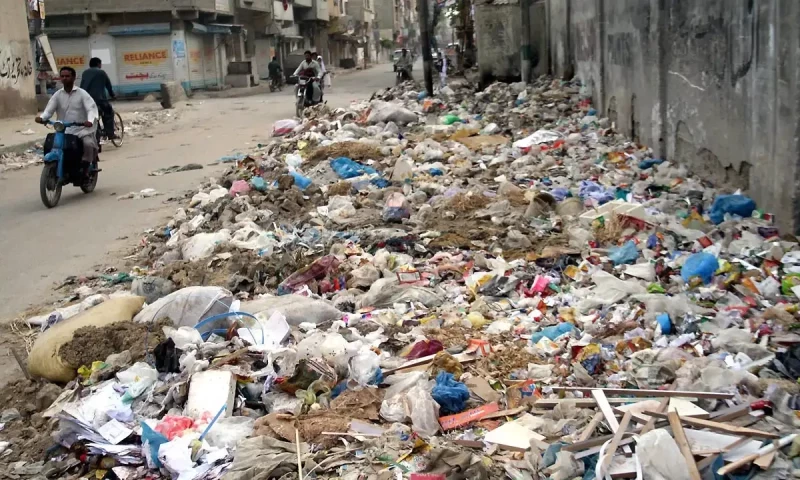
Karachi now produces over 14,800 tonnes of solid waste daily, surpassing major South Asian cities like Mumbai, Delhi, and Dhaka. District Central alone contributes more than 3,000 tonnes per day, emerging as the city’s largest waste-generating area. These staggering numbers highlight the urgent need for improved waste management systems in Pakistan’s largest metropolis.
Potential in Organic Waste Conversion
Officials report that 42% of Karachi’s garbage consists of organic waste, presenting a significant opportunity for conversion into compost or biogas. Currently, most of this biodegradable material ends up in landfills instead of being processed for energy production. Experts emphasize that proper waste segregation at source could transform this challenge into a sustainable resource for the city.
Sindh’s First Biogas Plant Initiative
The Sindh Solid Waste Management Board (SSWMB) is preparing to launch Karachi’s first biogas plant at Bagh Ibne Qasim on December 15. The facility will initially focus on producing low-cost cooking gas for nearby households, with plans to expand into electricity generation in subsequent phases. This pilot project represents a crucial step toward sustainable waste-to-energy solutions in Pakistan’s commercial capital.
Challenges in Waste Management Infrastructure
Despite the new biogas initiative, Karachi faces systemic challenges in waste collection and processing. The city’s rapid urbanization, population growth, and inadequate disposal systems continue to strain existing resources. Environmentalists warn that without comprehensive reforms, the waste crisis may worsen, posing serious public health and environmental risks.