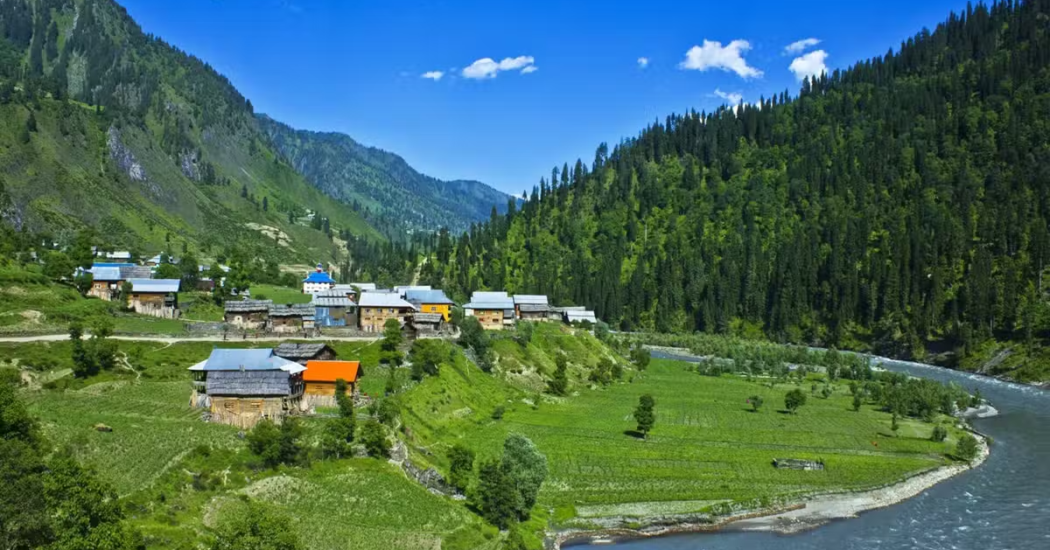
The Azad Jammu and Kashmir (AJK) government is preparing a major tourism development plan for Neelum Valley, one of Pakistan’s most popular mountain destinations. The initiative includes new recreational parks, ecotourism facilities, heritage sites and improved amenities for visitors.
The projects are being considered under the government’s 100-day transformation program, with the aim of improving tourism infrastructure while protecting the valley’s natural beauty and cultural heritage.
AJK Tourism, Youth and Culture Secretary Ansar Yaqoob reviewed the proposed development projects during a visit to several important tourist locations in Neelum Valley.
The official visited Keran, Sharda, Arang Kel and other areas in the upper parts of the valley to assess tourism opportunities and discuss plans for new facilities.
The proposed recreational and ecotourism parks could provide visitors with better spaces for relaxation, sightseeing and outdoor activities. Such projects are also expected to create new opportunities for local communities involved in tourism and hospitality.
Neelum Valley is known for its forests, rivers, mountains and scenic landscapes, making it a major attraction for domestic tourists. Areas such as Keran, Sharda and Arang Kel regularly attract visitors seeking natural scenery and a peaceful mountain environment.
The planned heritage sites could further strengthen the valley’s tourism appeal by highlighting its historical and cultural significance. Preserving local heritage alongside tourism development can give visitors a broader experience beyond the region’s natural attractions.
The government’s focus on ecotourism also reflects the growing need for responsible tourism in environmentally sensitive mountain areas. Carefully planned facilities can help accommodate increasing numbers of tourists while reducing pressure on natural resources.
Improved tourist facilities may also benefit local businesses. Hotels, restaurants, transport providers, tour operators, handicraft sellers and other small businesses could see greater economic activity as more visitors explore the valley.
The inspection of multiple locations indicates that the proposed development is being considered across different parts of upper Neelum Valley rather than being limited to a single tourist spot.
If implemented effectively, the projects could improve the overall visitor experience and make Neelum Valley more attractive for families, nature lovers and domestic and international tourists.
The 100-day transformation program is therefore expected to play an important role in shaping the next phase of tourism development in Azad Jammu and Kashmir, particularly in areas with significant natural and cultural potential.
For Neelum Valley, the combination of new parks, ecotourism projects, heritage sites and visitor facilities could provide a stronger foundation for sustainable tourism while supporting the region’s local economy.