




Oil Prices Biggest Drop Since Pre-War Levels Ahead of US-Iran Talks in Pakistan
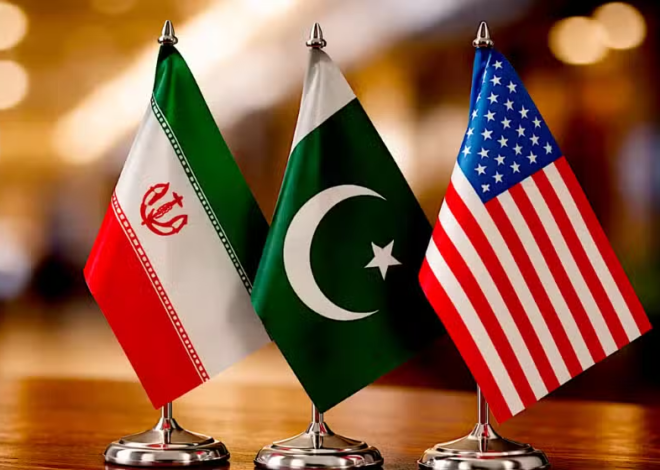
Global oil markets witnessed a sharp correction as prices fell to their lowest levels since the Gulf conflict earlier this year. The decline comes amid easing geopolitical tensions following a temporary ceasefire agreement between the United States and Iran, with diplomatic talks set to take place in Pakistan.
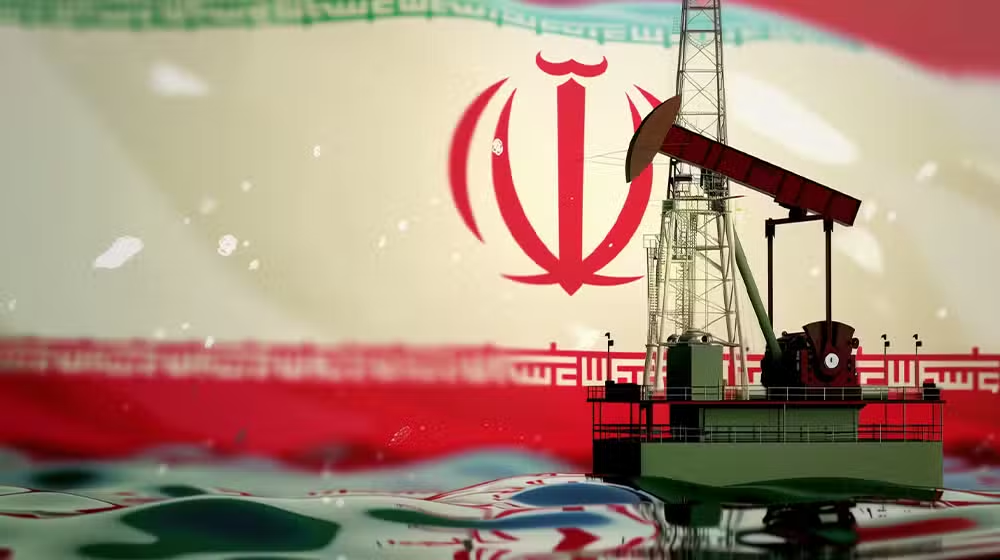
Benchmark Brent crude for June delivery dropped to $95.57 per barrel, while West Texas Intermediate for May delivery was trading at $96.99 per barrel. The fall pushed prices back into the mid-$90 range, marking the most significant drop since tensions escalated in February 2026.
A key factor behind the decline was Tehran’s decision to allow safe maritime passage through the Strait of Hormuz for a limited two-week period. This development has eased immediate supply concerns, as the waterway is one of the world’s most critical transit routes.
The ceasefire is designed to create diplomatic space for upcoming negotiations, with Pakistan emerging as a central venue for dialogue. The market reaction reflects optimism that reduced tensions could stabilize supply chains and lower risk premiums that had previously driven prices upward.
However, analysts remain cautious about the sustainability of this downward trend. Financial institution Standard Chartered has warned that the correction may be overly sharp, suggesting that prices could rebound quickly if geopolitical risks resurface or if the ceasefire fails to hold.
Energy markets continue to be highly sensitive to developments in the region. Any escalation in rhetoric or disruption in supply routes could reverse current gains and push oil prices higher once again.
As investors monitor the evolving situation, the upcoming US-Iran talks in Pakistan will play a crucial role in determining whether the price stability can be maintained or if volatility will return to global oil markets.