Starlink Expected Internet Pricing for Pakistan – Check Out the Packages!

What can you expect from Starlink’s Internet packages in Pakistan?

Starlink, the satellite internet service launched by SpaceX under Elon Musk’s leadership, is set to revolutionize internet connectivity in Pakistan.

With its promise of high-speed broadband access, even in remote areas, Starlink is generating a lot of buzz. In this blog post, we’ll explore the expected internet packages and pricing for Pakistan.

Starlink’s Internet Packages


Although Starlink has not yet officially launched in Pakistan, here are the potential internet packages based on global trends and current projections:

Residential Package
Speed: 50-250 Mbps
Monthly Cost: PKR 35,000
One-time Hardware Fee: PKR 110,000

Business Package
Speed: 100-500 Mbps
Monthly Cost: PKR 95,000
One-time Hardware Fee: PKR 220,000

Mobility Package
Speed: 50-250 Mbps
Monthly Cost: PKR 50,000
One-time Hardware Fee: PKR 120,000

Why Choose Starlink?


Starlink aims to provide high-speed internet access to regions with unreliable or non-existent connectivity. Its advanced technology, using thousands of small satellites in low Earth orbit (LEO), ensures robust performance and minimal latency. This makes it an ideal choice for both personal and business use, especially in remote areas where traditional broadband is inaccessible.

As Pakistan awaits the official launch of Starlink, the anticipation around its internet packages is high. With the potential to bridge the digital divide and provide reliable internet access to underserved regions, Starlink could be a game-changer for the country’s telecommunications infrastructure.

Stay tuned for more updates as we get closer to the launch date!

Pakistan’s Economic Growth Lags Behind Regional Countries

Stagnant Economic Performance in a Competitive Region

Pakistan’s economy continues to face significant challenges, falling behind its regional peers in terms of economic growth. This stagnation is attributed to various structural inefficiencies, policy missteps, and external shocks that have hindered sustainable development.

Key Economic Indicators

  • GDP Growth: Pakistan’s GDP growth rate remains low, struggling to surpass the 3-4% range in recent years. In contrast, neighboring countries such as India and Bangladesh are achieving growth rates above 6-7%.
  • Inflation and Debt: Persistent double-digit inflation coupled with soaring public debt has placed immense pressure on the economy, limiting fiscal space for development projects.
  • Exports: While Pakistan’s export growth has stagnated, regional economies are diversifying and expanding their export portfolios, particularly in technology and value-added sectors.

Challenges Hindering Growth

  1. Energy Crisis: Chronic energy shortages and reliance on costly imports have reduced industrial productivity and hampered economic progress.
  2. Political Instability: Frequent changes in government and inconsistent policies create uncertainty, discouraging both local and foreign investments.
  3. Low Investment in Human Capital: Inadequate education and healthcare systems fail to equip the workforce with skills required for a modern economy.

Comparisons with Regional Economies

  • Bangladesh: With robust garment exports and strategic economic reforms, Bangladesh has consistently outperformed Pakistan in per capita income growth.
  • India: India’s focus on technology, infrastructure development, and business-friendly policies has positioned it as a regional economic powerhouse.
  • Vietnam: Despite being geographically distant, Vietnam’s success in attracting foreign direct investment (FDI) serves as a benchmark for economic transformation.

Call for Structural Reforms

Economists emphasize that Pakistan must undertake deep structural reforms to address its lagging growth. This includes modernizing agriculture, investing in technology-driven industries, and fostering a conducive environment for entrepreneurship.

Keywords: Pakistan economy, economic growth, GDP, regional comparison, inflation, exports, structural reforms, investment, policy challenges.

Policeman Robbed at Gunpoint in Karachi

A Karachi police officer was recently subjected to an armed robbery, highlighting the escalating security concerns in the metropolis. The incident has raised questions about the safety of law enforcement personnel and the broader implications for public security.

Details of the Incident

The officer, while off-duty, was intercepted by armed assailants who forcibly took his personal belongings, including his service weapon. The robbery occurred in a residential area, suggesting that criminals are becoming increasingly audacious in their operations.

Implications for Law Enforcement

This event underscores the vulnerabilities faced by police officers, even when they are not on duty. The loss of a service weapon to criminal elements is particularly concerning, as it could be used in future unlawful activities, further endangering public safety.

Response from Authorities

The Karachi police department has initiated an investigation into the robbery, aiming to apprehend the culprits and recover the stolen firearm. Additionally, there is an internal review underway to assess and enhance the personal security.

Bomb Disposal Squad Neutralizes Explosive Device on Lakki Marwat Bridge

In a critical security operation, the Bomb Disposal Squad (BDS) successfully defused an explosive device planted on a bridge in Lakki Marwat, averting a potential disaster. The timely intervention underscores the persistent security challenges in the region and the vigilance of law enforcement agencies.

Discovery of the Device

Local authorities received intelligence reports indicating the presence of a suspicious object on the bridge, a vital infrastructure component facilitating daily commutes and transportation. Upon inspection, the object was identified as an improvised explosive device (IED), strategically placed to cause maximum disruption.

BDS Intervention

The Bomb Disposal Squad was promptly dispatched to the scene. Employing specialized equipment and protocols, the team meticulously neutralized the IED, ensuring the safety of the surrounding area. Their expertise prevented potential casualties and infrastructure damage.

Community Impact

The incident has raised concerns among local residents, highlighting the need for increased security measures. Community leaders have called for heightened vigilance and cooperation with law enforcement to prevent such threats in the future.

Ongoing Security Measures

In response to the incident, security forces have intensified surveillance and patrols in the area. Authorities are investigating the origins of the device and potential links to extremist groups operating in the region. The successful defusal of the IED reflects the effectiveness of current security protocols but also underscores the need for continued diligence.

Court Suspends ECP’s Notice to Khyber Pakhtunkhwa CM Ali Amin Gandapur

The Peshawar High Court (PHC) has suspended the Election Commission of Pakistan’s (ECP) call-up notice issued to Khyber Pakhtunkhwa Chief Minister Ali Amin Gandapur in an assets case. This decision comes after the Chief Minister challenged the ECP’s notice, arguing that it exceeded its authority.

Legal Arguments Presented

During the hearing, the Chief Minister’s legal team contended that the ECP overstepped its jurisdiction by seeking clarification on asset returns for the year 2022/23. They maintained that Gandapur had already provided asset details for the year 2024 during nomination proceedings, and all relevant information was available on the ECP’s website.

Court’s Decision

The PHC, comprising a two-member bench, suspended the ECP’s call-up notice and sought a reply from the commission. The court has scheduled the next hearing for May 22, allowing the ECP to respond to the concerns raised by the petitioner’s counsel.

Background of the Case

The case originated from a petition filed by a political opponent, alleging discrepancies in the Chief Minister’s declared assets, particularly concerning land ownership and the purchase of a luxury vehicle. The petitioner argued that these actions indicated a failure to meet the integrity standards required for his position.

Implications for Political Accountability

This legal development underscores the ongoing scrutiny of public officials’ asset declarations in Pakistan. The suspension of the ECP’s notice highlights the judiciary’s role in interpreting the extent of the commission’s authority and ensuring that due process is followed in matters of political accountability.

PTI Founder Permits Disclosure of Written Demands: Barrister Gohar

In a recent statement, Barrister Gohar Khan, representing the Pakistan Tehreek-e-Insaf (PTI) founder, announced that the party is prepared to share its written demands with the government. This development signifies PTI’s willingness to engage in dialogue without preconditions, aiming to address the prevailing political impasse.

Key Demands Highlighted

Barrister Gohar emphasized that PTI’s primary demands include the release of detained party members, including the founder, and the establishment of a judicial commission to investigate recent political unrest. These demands are articulated clearly, reflecting the party’s commitment to resolving issues through political dialogue.

Advocacy for Political Solutions

The PTI founder has consistently advocated for resolving political matters through dialogue, underscoring the importance of political solutions to political problems. This approach aligns with democratic principles and reflects a commitment to peaceful resolution of conflicts.

Concerns Over Previous Negotiations

Barrister Gohar expressed concerns over the abrupt discontinuation of earlier negotiations, which had shown promise in resolving outstanding issues. He lamented that despite initial progress, the talks were halted unexpectedly, hindering potential resolutions.

Call for Peaceful Protests

Addressing recent events, Barrister Gohar criticized the government’s response to peaceful protests, highlighting instances where law enforcement resorted to measures like tear gas even before protesters had fully gathered. He emphasized that such actions undermine democratic rights and the essence of peaceful assembly.

Legal Proceedings and Petitions

In legal developments, PTI has filed a petition seeking the discharge of its founder from ongoing cases, terming the allegations baseless. Barrister Gohar expressed confidence that all fabricated cases against the PTI founder will lead to eventual acquittal, reinforcing the party’s stance on the legal challenges faced by its leadership.

Fakhar Zaman Eyes Champions Trophy Comeback

Fakhar Zaman, Pakistan’s dynamic left-handed batter, has expressed his unwavering determination to make a triumphant return to the national cricket team, with the 2025 ICC Champions Trophy firmly in his sights. The tournament is set to be held from February 19 to March 9 in Pakistan and Dubai.

In a recent episode of the Vipers Voices podcast, Fakhar opened up about his journey back to full fitness following a medical condition that temporarily halted his international cricket career. He shared his optimism and readiness for the upcoming challenges:

“A 100%, I will play for Pakistan again. After the T20 World Cup, I got sick, and because of my medical condition, I wasn’t fit to be part of the team. But now I have recovered 100%, and you will see me in the next white-ball series Pakistan plays.”

Focus on Champions Trophy

Fakhar emphasized that his primary goal has been to prepare for the Champions Trophy. He deliberately skipped tours to Australia and South Africa to concentrate on his fitness, ensuring he is at peak form for the tournament. Reflecting on his previous success, he said:

“The 2017 Champions Trophy was a turning point in my career, and I’m excited to make an impact once again.”

He confirmed receiving full support from the selectors and coaching staff for his return:

“I’ve talked to the selectors and the head coach, and everyone wanted me to play in the Champions Trophy.”

Praise for Saim Ayub

Fakhar also praised young opener Saim Ayub, who has made a significant impact with three centuries in just nine ODI innings. However, Saim’s participation in the Champions Trophy is uncertain due to an ankle fracture sustained during a Test match in South Africa. Fakhar expressed his admiration for Ayub’s potential:

“I hope Saim recovers quickly. He’s an incredible talent and, in my opinion, will be among the top three players in the world if he keeps performing like this.”

Flexibility in Batting Order

Acknowledging the competition for top-order positions, Fakhar expressed his willingness to adapt to the team’s requirements:

“If the team wants me to bat at number four or five, I’ll happily do it. For me, the team always comes first, but I’ve always preferred opening.”

Preparing for ILT20

Currently, Fakhar is preparing for his first season in the ILT20, where he will play for the Desert Vipers. This stint is seen as an opportunity for him to demonstrate his readiness and form ahead of his anticipated return to international cricket.

Fakhar Zaman’s determination and focus on the Champions Trophy underscore his commitment to contributing to Pakistan’s success on the global stage.

Bill in Works to Legalize Cryptocurrencies and Launch Digital Rupee in Pakistan

The Senate of Pakistan is set to consider the Virtual Assets Bill 2025, introduced as a private member’s bill by Senator Dr. Afnan Ullah Khan. The proposed legislation seeks to regulate the burgeoning domain of virtual assets, including cryptocurrencies and blockchain technologies, while also paving the way for the introduction of a Digital Rupee backed by the Pakistani Rupee (PKR) under central bank regulations.

Key Objectives of the Virtual Assets Bill 2025

The bill aims to:

  • Regulate Issuance and Use of Virtual Assets: Establish a framework for issuing, trading, and utilizing virtual assets within Pakistan.
  • Launch Digital Rupee: Introduce a legally recognized digital currency backed by PKR.
  • Ensure Financial Stability: Protect investors and prevent illegal activities through comprehensive regulations.
  • Establish Virtual Asset Zones: Designate regions with underutilized power resources for virtual asset activities.

Regulatory Framework and Compliance

The bill outlines stringent guidelines for:

  • Registration and Licensing: Virtual currency zones, exchanges, and asset providers must comply with the new registration and licensing requirements.
  • AML/CTF Measures: Adherence to anti-money laundering (AML) and counter-terrorism financing (CTF) regulations will be mandatory, ensuring transparency and security in virtual asset transactions.
  • Audits and Reporting: Regular audits and reporting mechanisms will foster trust and accountability in Pakistan’s virtual currency market.

National Virtual Assets Regulatory Commission

A National Virtual Assets Regulatory Commission will be established to:

  • Oversee Virtual Assets: Manage and regulate virtual assets, ensuring efficacy and risk management.
  • Licensing and Standards: Issue licenses and set standards for compliance in the virtual assets sector.
  • Monitor Digital Rupee Issuance: Oversee the issuance and maintenance of the Pakistan rupee-backed digital currency.
  • Enforce Compliance: Implement regulations and impose penalties for non-compliance.

Virtual Assets Zones and Tax Incentives

  • Virtual Assets Zones: Specific regions will be designated for virtual asset activities, prioritizing areas with surplus renewable energy resources.
  • Tax Incentives: The government will offer reduced corporate taxes for virtual assets zones and foreign investors, subject to AML/CTF compliance. Entities in these zones will benefit from tax relief for the first five years, while foreign investors contributing to blockchain projects will receive a three-year tax exemption.

Foreign Investment and Infrastructure Development

  • Attracting Foreign Investment: To encourage foreign investment, the government will provide tax exemptions and allocate a portion of revenue from virtual asset operations towards local infrastructure and education in blockchain technology.

The Virtual Assets Bill 2025 represents a significant step towards integrating digital currencies and blockchain technology into Pakistan’s financial ecosystem. By providing a robust legal framework, the bill aims to foster innovation, attract investment, and ensure financial stability in the rapidly evolving virtual asset landscape.

Unlicensed Starlink Use on the Rise Among Pakistani IT Firms

Starlink’s Appeal in Pakistan

Faced with frequent internet disruptions, Pakistani IT companies are increasingly adopting Starlink, a state-of-the-art satellite internet service by Elon Musk. However, the lack of regulatory approval in Pakistan makes its usage illegal.

The Business Case for Starlink

An IT firm executive revealed the operational benefits of Starlink, noting, “We rely on the business package costing £750 monthly. While pricey, it ensures stable communication with our international clients, which is critical for business continuity.”

Why LEO Satellites Are Game-Changing

Traditional ISPs in Pakistan use high-orbit satellites stationed 3,600 km above Earth. In contrast, Starlink’s LEO satellites orbit at just 300-500 km, delivering faster, more reliable connectivity.

Regulatory and Legal Implications

The Pakistan Telecommunication Authority (PTA) has declared unlicensed Starlink usage illegal. Government officials are now focused on creating a framework for LEO satellite regulation, aligning with international standards.

Government Steps Toward Regulation

A recent meeting between the Ministry of IT and Telecom and Starlink representatives explored licensing possibilities. The goal is to address the country’s internet accessibility challenges and bridge the digital divide in remote regions.

Looking to the Future

Starlink’s potential to revolutionize internet connectivity is undeniable, but proper regulatory measures must precede its integration into Pakistan’s digital ecosystem. For now, its unauthorized usage continues to fill critical gaps in the IT sector.

Pakistan Legend Younis Khan to Mentor Afghanistan Team Ahead of 2025 ICC Champions Trophy

The Afghanistan Cricket Board (ACB) has announced the appointment of former Pakistan cricket captain Younis Khan as the mentor for the Afghanistan cricket team in the lead-up to the 2025 ICC Champions Trophy. The tournament is scheduled to take place from February 19 to March 9, 2025, in Pakistan and Dubai.

Younis Khan’s Stellar Cricketing Background

Younis Khan is one of Pakistan’s most celebrated cricketers, with a distinguished career that includes scoring 10,099 Test runs in 118 matches. His leadership credentials are equally impressive, having captained Pakistan to victory in the 2009 ICC T20 World Cup. He has also amassed extensive coaching experience, serving as a batting consultant for Peshawar Zalmi in the Pakistan Super League (PSL) and as the head coach of the Bangla Tigers in the Abu Dhabi T10 League.

Previous Association with Afghanistan Cricket

This new role is not Younis Khan’s first engagement with Afghanistan cricket. He previously served as the team’s batting coach in 2022, leaving a lasting impact on the players. His return as a mentor underscores the ACB’s commitment to bolstering their team’s performance by leveraging Younis Khan’s expertise and experience.

Strategic Importance of the Appointment

The ACB’s decision to bring Younis Khan on board is seen as a strategic move to enhance the team’s preparation and performance in the high-stakes tournament. Younis is expected to provide critical guidance on both tactical and psychological fronts, helping the team navigate the pressures of competing against top-tier cricketing nations.

Afghanistan’s Challenging Group

Afghanistan faces a formidable challenge in the 2025 ICC Champions Trophy, having been drawn in Group B alongside cricketing powerhouses Australia, South Africa, and England. The other group, Group A, includes Pakistan, India, New Zealand, and Bangladesh.

The Afghan team is rapidly emerging as a competitive force in international cricket, with aspirations of making a significant impact in the Champions Trophy. Younis Khan’s mentorship is anticipated to bring a new level of discipline, strategy, and confidence to the squad, equipping them to compete effectively against some of the world’s strongest teams.

With Younis Khan’s expertise, Afghanistan aims to refine its game plan and capitalize on its strengths in the upcoming tournament. The team will hope that his influence can help unlock their potential and lead to a successful campaign in the 2025 ICC Champions Trophy.

KP to Launch University and College Ranking System for Quality Education

A Game-Changer for Education in Khyber Pakhtunkhwa

The Khyber Pakhtunkhwa Higher Education Department has unveiled plans to implement a ranking system across all universities and colleges in the province. This strategic move aims to uplift education standards and encourage healthy competition among institutions.

Provincial Minister’s Vision for Higher Education

During a high-level meeting chaired by Provincial Minister for Higher Education Meena Khan Afridi, officials presented an outline of the ranking framework. Afridi emphasized that this initiative would enhance access to quality education for students, setting a benchmark for excellence in academics and infrastructure.

Criteria for Rankings

To ensure a fair assessment, the rankings will be based on performance data collected from the past three years. Key metrics include:

  • Academic achievements and research output.
  • Faculty qualifications and student-teacher ratios.
  • Infrastructure and learning resources.
  • Extracurricular and community engagement programs.

Aiming for Educational Excellence

The minister expressed optimism about the impact of this initiative, stating that it would identify areas for improvement while celebrating the accomplishments of top-performing institutions.

Next Steps

Authorities have been directed to expedite data collection and finalize the ranking criteria. Once implemented, the system is expected to serve as a guiding tool for students and parents, helping them make informed choices while fostering a culture of excellence among educational institutions.

Quetta Joins the League of Cities Issuing International Driving Licenses

A Milestone for Balochistan’s Transport Sector

In a landmark move, Quetta has commenced issuing International Driving Licenses, marking a major step toward modernizing its transport framework. This initiative aligns Quetta with global road safety and mobility standards, ensuring greater ease for citizens traveling abroad.

Inauguration Led by Chief Minister

The project was inaugurated during Balochistan Chief Minister Mir Sarfaraz Bugti’s unannounced visit to the Motorway Police’s Driving License Centre in Quetta. During his inspection, the Chief Minister personally engaged with the process, including taking the theoretical and practical driving tests before submitting his application for an International Driving License.

Praising Efficiency and Transparency

Commending the transparent operations of the National Highways and Motorway Police (NHMP), Bugti noted that the licensing system reflects public trust and sets a new standard for professionalism. He applauded the NHMP for adhering to international standards, which he described as instrumental in restoring public confidence in the licensing system.

What This Means for Drivers

This initiative is expected to bring tangible benefits for Quetta residents:

  • Global Mobility: Holders of International Driving Licenses can now drive legally in many countries worldwide.
  • Improved Systems: The transparent and efficient process ensures fair access for all citizens.
  • Enhanced Road Safety: Compliance with international standards raises overall safety awareness among drivers.

Looking Ahead

This modern licensing framework signals a brighter future for road infrastructure in Balochistan. Quetta’s efforts reflect a broader commitment to align the province with global best practices, fostering trust and convenience for its residents.

All you need to know about Ramadan and Eid ul Fitr in 2025

As the month of Rajab begins, anticipation builds across Pakistan for the sacred month of Ramadan. The Pakistan Meteorological Department (PMD) has shared its forecasts for the moon sightings that will mark the commencement of both Ramadan and Eid ul Fitr in 2025.

Ramadan 1446 AH Prediction

According to the PMD, there is a “good chance” that the Ramadan moon will be sighted on February 28 or March 1st, 2025. The department notes that the new moon is expected to be born at the crossing conjunction point on February 28, 2025. Should this prediction hold, the first day of Ramadan will be observed on March 1st, Saturday.

Ramadan, the ninth month of the Islamic lunar calendar, is a time of spiritual reflection, increased devotion, and self-discipline for Muslims. During this period, Muslims fast from dawn until sunset, abstaining from eating, drinking, and other physical needs, while engaging in prayer, reading the Holy Quran, and performing charitable acts.

Eid ul Fitr 1446 AH Prediction

The PMD has also forecasted the sighting of the Shawwal moon, which marks the end of Ramadan, on March 29 or 30, 2025. This would mean that Eid ul Fitr is likely to be celebrated on March 30 or 31st, 2025.

Eid ul Fitr is a joyous festival celebrated by Muslims worldwide, marked by communal prayers, festive meals, and the giving of alms. It is a time for family gatherings, expressing gratitude, and fostering unity and generosity within the community.

Official Confirmation by Ruet-e-Hilal Committee

While these predictions provide a tentative timeline, the official dates for the beginning of Ramadan and Eid will be confirmed by the Ruet-e-Hilal Committee in Pakistan, which oversees the moon sighting process.

Spiritual Significance of Ramadan

Ramadan is a cornerstone of Islamic practice, offering an opportunity for Muslims to deepen their faith through fasting, prayer, and reflection. The month is seen as a time to purify the soul, develop self-control, and connect more closely with God.

As preparations begin for this holy month, the predictions by the PMD help individuals and communities in Pakistan prepare spiritually and logistically for the upcoming sacred period.

China closes Mount Everest scenic areas for tourists after strong 6.8-magnitude earthquake

A strong 6.8-magnitude earthquake hit Dingri County in Tibet’s Xigaze region on Tuesday morning, forcing scenic areas on the Chinese side of Mount Qomolangma, also known as Mount Everest, to close. The quake, which hit at 9:05 am Beijing Time, resulted in extensive damage, killing 53 people and injuring 62, regional disaster relief officials said.

Effects on Tourists and Local Infrastructure After 6.8-Magnitude Earthquake

Dingri County, where the world’s highest mountain base camp is located, was severely affected. The authorities confirmed that all staff and tourists in the area were safe. According to Xinhua News Agency, hotel buildings and other tourist facilities around the area were structurally sound despite the destruction.

At the moment, there is no power supply in Dingri Qomolangma Station for Atmospheric and Environmental Research. No great damage was reported though, but it remains closed the scenic areas because of the presence of visitors and locals.

Mt. Qomolangma Tourist Numbers and Information

The Chinese side of Mount Qomolangma, commonly known as Mount Everest, has witnessed a high number of tourists. In 2024, more than 13,760 international tourists visited the region, which is more than double the number recorded in 2023. Most of the tourists came from Singapore, Malaysia, Germany, and France.

This high-altitude earthquake shows the delicate balance between tourism and preparedness in natural disasters. Efforts are on to bring normalcy to the area, with temperatures hovering between minus 18°C and zero at Dingri.

Closure of scenic areas at Mount Qomolangma, meanwhile, puts the onus of safety above tourism in such unpredictable natural disasters.

Also, see:

sRead Justin Trudeau’s retirement speech in full

PM Shehbaz Directs Property Confiscation of Human Traffickers

Government’s Firm Stance on Human Trafficking

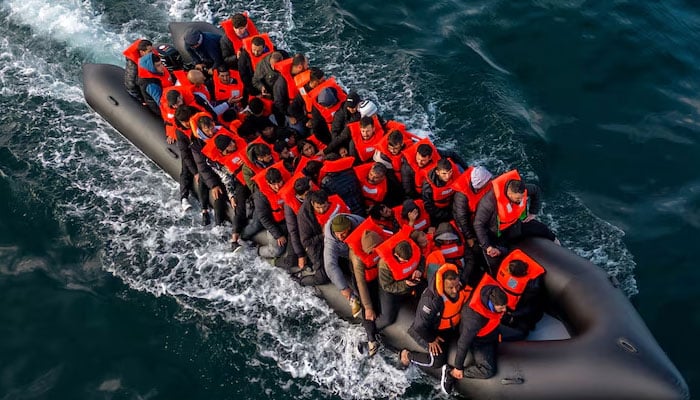
Prime Minister Shehbaz Sharif has issued strict directives to crack down on human trafficking networks across Pakistan. Recognizing the severity of this crime and its implications for Pakistan’s international reputation, the Prime Minister has emphasized the urgent need to target those who profit from exploiting vulnerable individuals.

Property Confiscation as a Key Measure

One of the significant steps announced by the Prime Minister is the confiscation of properties and assets belonging to identified human traffickers. Authorities have been instructed to implement this policy swiftly, ensuring that no individual involved in this heinous crime escapes accountability. This measure is aimed at not only punishing offenders but also dismantling the financial infrastructure that sustains such activities.

Focus on High-Risk Regions

Reports suggest that the crackdown will prioritize regions with high incidences of human trafficking, including border areas and major urban centers. Law enforcement agencies have been tasked with identifying key players in these networks and freezing their assets immediately.

International Collaboration

The government has also sought assistance from international organizations and neighboring countries to combat transnational trafficking networks. Collaborative efforts will include sharing intelligence, monitoring cross-border activities, and improving border security to prevent illegal migration facilitated by traffickers.

Impact on Victims

Beyond targeting perpetrators, the Prime Minister has underscored the need to support victims of trafficking. Measures include rehabilitation programs, legal assistance, and vocational training to help survivors rebuild their lives.

Public Support and Awareness

The government is launching awareness campaigns to educate the public about the dangers of human trafficking and encourage them to report suspicious activities. These campaigns aim to foster community involvement in the fight against this crime.

By combining legal action with public support, the government aims to make significant strides in eradicating human trafficking from Pakistan and holding perpetrators accountable for their actions.

NADRA NICOP: Fee for Pakistanis Living in Europe, January 2025

Understanding NICOP

The National Identity Card for Overseas Pakistanis (NICOP) is an essential identification document issued by the National Database and Registration Authority (NADRA) for Pakistanis residing abroad. It facilitates international travel and access to various services in Pakistan.

Fee Structure as of January 2025

As of January 2025, the NICOP fee structure for Pakistanis living in Europe is as follows:

  • Normal Processing: Rs11,340
  • Urgent Processing: Rs16,589
  • Executive Processing: Rs21,820

These fees remain unchanged from the previous year.

Application Process

Applicants can apply for NICOP through NADRA’s online portal or by visiting the nearest Pakistani embassy or consulate. The processing time varies based on the selected category, with executive processing offering the fastest service.

Payment Methods

Fees can be paid in Pakistani Rupees (PKR) or the equivalent amount in the local currency of the applicant’s country of residence. Online applications typically require payment via credit or debit card.

Importance of NICOP

Holding a NICOP allows overseas Pakistanis to:

  • Travel: Enter and exit Pakistan without requiring a visa.
  • Property Ownership: Purchase and sell property in Pakistan.
  • Banking: Open and operate bank accounts in Pakistan.
  • Voting Rights: Participate in Pakistani elections, subject to eligibility.

Overseas Pakistanis are encouraged to obtain or renew their NICOP to ensure seamless access to services and rights in Pakistan. For detailed information and application procedures, visit NADRA’s official website.

KP House Suffered Damages Worth Rs30m After Police Raid: Report

Background

In October 2024, during a Pakistan Tehreek-e-Insaf (PTI) protest, Islamabad police conducted a raid on Khyber Pakhtunkhwa (KP) House. The operation aimed to arrest KP Chief Minister Ali Amin Gandapur.

Extent of Damages

A parliamentary report has revealed that the raid resulted in damages exceeding Rs30 million. Significant losses included missing weapons, cash, electronics, and damage to guest rooms and CCTV systems.

Missing Items

The report highlights the disappearance of gas masks, mobile phones, and power banks worth Rs4.5 million. Additionally, there was damage to government property and items belonging to the Chief Minister.

Parliamentary Committee Findings

A 12-member parliamentary committee, led by Munir Hussain Laghmani, conducted the investigation. The committee’s findings detail the extensive damage and missing items, underscoring the need for accountability and reparations.

Implications

The incident raises concerns about the conduct of law enforcement during political operations and the resulting financial burden on public resources. It also underscores the importance of adherence to legal protocols to prevent such occurrences in the future.

From US to Pakistan, Deepfake Targets Women Politicians

The Rise of Deepfake Technology

Deepfake technology, which uses artificial intelligence to create realistic but fabricated images and videos, has become a global concern. Initially a novelty, it has evolved into a tool for misinformation and harassment, particularly against women in politics.

Impact on Women Politicians

Female politicians worldwide, including in Pakistan, have been targeted by deepfake content designed to discredit and intimidate them. For instance, Pakistani politician Azma Bukhari was subjected to a sexualized deepfake video intended to tarnish her reputation. Such attacks not only harm the individuals involved but also deter women from participating in politics, undermining gender equality and democratic processes.

Global Instances

This issue is not confined to Pakistan. In the United States, Italy, and Britain, female politicians have faced similar deepfake attacks. The technology’s accessibility allows malicious actors to produce convincing fake content with minimal resources, amplifying the threat to public figures globally.

Challenges in Combating Deepfakes

Addressing the deepfake menace involves significant challenges. The rapid advancement of AI makes it increasingly difficult to distinguish between real and fabricated content. Moreover, existing legal frameworks often lag behind technological developments, complicating efforts to hold perpetrators accountable.

Efforts to Mitigate the Threat

Various organizations and governments are working to combat the spread of deepfakes. Initiatives include developing detection technologies, implementing stricter regulations, and raising public awareness about the existence and dangers of deepfake content.

The targeting of women politicians through deepfake technology is a disturbing trend that poses a threat to democratic participation and gender equality. Addressing this issue requires a multifaceted approach, including technological solutions, legal reforms, and societal change to support and protect those in public service.

Three Tribal Elders in Kurram Arrested for Not Complying with Peace Accord

Background

In the Kurram district of Pakistan’s Khyber Pakhtunkhwa province, a peace agreement was recently brokered to resolve sectarian conflicts between Sunni and Shiite tribes. This accord aimed to end months of violence that had resulted in significant loss of life and property.

Arrests Made

On January 7, 2025, the district administration arrested three prominent tribal elders—Syed Rahman, Saifullah, and Karim Khan—for refusing to sign the peace agreement. Their non-compliance was viewed as a hindrance to the peace process, leading authorities to take decisive action to maintain order in the region.

Significance of the Peace Accord

The peace agreement requires both Sunni and Shiite tribes to dismantle bunkers and surrender weapons, with violations leading to detentions enforced by elders. This initiative is crucial for reopening roads to Kurram that have been blocked, causing severe shortages of essential supplies.

Community Response

The arrest of these elders has elicited mixed reactions within the community. Some view it as a necessary step to enforce the peace accord, while others fear it may exacerbate existing tensions. Local authorities remain committed to implementing the agreement to ensure long-term stability in the region.

Conclusion

The situation in Kurram underscores the complexities of enforcing peace in areas with deep-seated sectarian divisions. The arrest of the tribal elders highlights the challenges authorities face in achieving compliance from all stakeholders. The success of the peace accord will depend on continued dialogue and cooperation among the tribal communities.

Read Justin Trudeau’s retirement speech in full

Justin Trudeau, Canada’s prime minister for the past nine years, officially announced his resignation as both the country’s leader and the head of the governing Liberal Party. His decision revealed during an emotional speech outside his Rideau Cottage residence in Ottawa on Monday, marks the end of a transformative chapter in Canadian politics. Speaking in both English and French, Trudeau shared his reasons for stepping down and reflected on his tenure. Here are important points of Justin Trudeau’s retirement speech:

“Every morning I’ve woken up as prime minister, I’ve been inspired by the resilience, the generosity, and the determination of Canadians,” he began.

In his speech, he repeatedly emphasized his deep connection to the people of Canada, crediting them as the driving force behind his leadership.

Using the platform of Justin Trudeau’s retirement speech, the outgoing prime minister outlined his key achievements since 2015, when he led the Liberal Party back to power.

“That is why, since 2015, I have fought for this country—for you—to strengthen and grow the middle class,” he said.

Highlighting milestones during his tenure, Trudeau pointed to Canada’s pandemic response, efforts to address climate change, reconciliation with Indigenous communities, and standing firm for democracy globally, particularly in Ukraine.

Yet, Trudeau admitted that political challenges, including a paralyzed Parliament, had played a role in his decision to step aside.

“The fact is, despite best efforts to work through it, Parliament has been paralyzed for months after what has been the longest session of a minority Parliament in Canadian history,” he explained.

The prime minister revealed he had taken time over the holidays to reflect on his future, discussing his plans extensively with his family.

“Last night over dinner, I told my kids about the decision that I’m sharing with you today,” he shared.

Trudeau also expressed gratitude for his family’s unwavering support throughout his career, adding,

“Any success I have personally achieved has been because of their support and encouragement.”

Trudeau affirmed his commitment to remain in office until the Liberal Party selects a new leader, ensuring a smooth transition.

“I intend to resign as party leader, as prime minister, after the party selects its next leader through a robust, nationwide, competitive process,” he stated.

He called on the Liberal Party to uphold its legacy and values under new leadership.

Looking ahead, Trudeau expressed optimism for the next chapter of Canada’s political journey.

“This country deserves a real choice in the next election,” he said. “I am excited to see the process unfold in the months ahead.”

Reflecting on his legacy in Justin Trudeau’s retirement speech, the outgoing leader underscored his government’s efforts to bolster the economy post-pandemic and navigate global challenges.

“We were elected for the third time in 2021 to strengthen the economy post-pandemic and advance Canada’s interests in a complicated world,” he noted.

Listen to Justin Trudeau’s retirement speech here

As Trudeau steps down, potential successors such as Chrystia Freeland, Anita Anand, and Mark Carney have emerged as contenders to lead the Liberal Party. Meanwhile, polls suggest the opposition Conservative Party, led by Pierre Poilievre, is poised for a strong showing in the next federal election.

With Justin Trudeau’s retirement speech signaling the conclusion of a pivotal era, the spotlight now turns to the future of Canadian leadership and the challenges that lie ahead.

Also, see:

Canadian Prime Minister Justin Trudeau announces sudden resignation