Gilgit-Baltistan Get Listed Among CNN’s Top Travel Destinations for 2025

Gilgit-Baltistan, a place known for its breathtaking natural beauty and challenging terrain, has been named one of the top travel destinations to visit in 2025 by the world-renowned CNN Travel. The region is nestled among the majestic Karakoram Mountains, with landscapes that are as awe-inspiring as they are demanding.

CNN Travel quite aptly called the journey to Gilgit-Baltistan a journey in itself, as such weather conditions, coupled with uneven road conditions, can be unpredictably disruptive during travel. In fact, however, the essence of this untamed paradise is precisely its rugged beauty and seclusion.

Gilgit-Baltistan is home to no less than five of the 14 “eight-thousander” peaks in the world, one of which is the legendary K2, commonly known as the “Savage Mountain.” There are all types of travelers – from seasoned mountaineers climbing the towering peaks to intrepid trekkers discovering hidden valleys and thrill-seekers enjoying paragliding adventures.

While the attraction of these grand mountains is undeniable, the region also poses inherent risks. In 2024, a tragic series of events unfolded, with nine mountaineers losing their lives during various expeditions. This stark reminder serves as a poignant reminder of the respect and caution required when venturing into such challenging terrain.

Also, see: Human Metapneumovirus (HMPV) Spreads in China: Symptoms, Treatments, and Risks

Human Metapneumovirus (HMPV) Spreads in China: Symptoms, Treatments, and Risks

Currently, there is a serious rise in cases of Human Metapneumovirus (HMPV) in China, raising concern among public health officials. This recent wave of respiratory infections comes in the wake of the COVID-19 pandemic, overcrowding hospitals, and warning of a multi-virus outbreak.  

What is Human Metapneumovirus (HMPV)?

HMPV is a respiratory virus that can affect any age. However, while mostly it produces a mild disease, the condition poses severe health threats for those groups that are at a high risk of vulnerability. Such populations include young children, the elderly, and individuals whose immunity has weakened.

Symptoms of HMPV

HMPV comes with symptoms that mimic the flu, thus being crucial to be knowledgeable on the following:

Cough: A chronic cough is the most frequent and sometimes even the most evident symptom of infection with HMPV.  

Fever: Fever can vary from mild to high-grade.  

Nasal Congestion: Stuffy or runny nose is another very common symptom related to HMPV.  

Breathlessness: Sometimes, people are unable to breathe or experience wheezing.

Sore Throat: Sore throat can also be a symptom, though it is not always present.  

In severe cases, HMPV can lead to more serious complications such as:

Bronchitis: Inflammation of the bronchial tubes.  

Pneumonia: Infection of the lungs.  

How Does HMPV Spread?

HMPV spreads through similar mechanisms as other respiratory viruses:

Respiratory Droplets: When the infected person coughs or sneezes, droplets with the virus are suspended in the atmosphere. Other people can inhale those droplets.   

Direct Contact: Direct contact with an infected person by shaking hands or touching them can also cause a conveyance.

Contaminated Surfaces: HMPV can survive on surfaces for a period. Touching contaminated surfaces and then touching your eyes, nose, or mouth can lead to infection.  

Who is at Increased Risk?

Certain groups are at a higher risk of experiencing severe HMPV infection:

Young Children: Infants and young children are particularly vulnerable to severe HMPV illness.

Elderly: Older adults have a weakened immune system, and hence they are prone to complications.   

Immuno-compromised patients: Patients with conditions that weaken their immune system, such as HIV/AIDS or undergoing chemotherapy, are at risk.   

Preventing the Spread of HMPV

Good hygiene practice is the way to prevent the spread of HMPV:

Frequent Hand Washing: Wash your hands with soap and water for at least 20 seconds, especially after coughing, sneezing, using the restroom, or before eating.  

Avoid Touching Your Face: Avoid touching your eyes, nose, and mouth with unwashed hands.  

Social Distancing: Keep away from people who are sick.

Cover Coughs and Sneezes: Use a tissue to cover your mouth and nose when coughing or sneezingThrow the tissue away and wash your hands immediately.

Clean and Disinfect: Clean and disinfect high-touch surfaces like doorknobs, countertops, and toys.

Treatment and Management of HMPV

HMPV is not available as an antiviral drug in the market at present. It is generally symptomatic management to prevent complications, which can be achieved by administering:

Fever Reducers: Medications such as acetaminophen or ibuprofen reduce fever and help alleviate discomfort.  

Pain Relievers: Patients can take pain relievers such as over-the-counter medications, which help manage aches and pains due to HMPV.  

Hydration: Fluid intake must be maintained; during feverish conditions, fluids are lost frequently, and replacement is necessary.

The patient may have to be admitted to the hospital for supportive treatment, such as oxygen therapy and assistance with respiration.  

HMPV vs COVID-19: Key Similarities and Differences

HMPV and COVID-19 have some similarities:

Respiratory Illnesses: Both viruses mainly target the respiratory system, leading to symptoms like cough, fever, and shortness of breath.  

Modes of Transmission: Both viruses can be spread through respiratory droplets, direct contact, and contaminated surfaces.  

However, there are also key differences:

Causative Agents: HMPV is caused by the human metapneumovirus, while COVID-19 is caused by the SARS-CoV-2 virus.

Seasonal Patterns: HMPV is seasonal, peaking in winter and spring, whereas COVID-19 can occur throughout the year.  

Severity: Both can cause severe illness, but the severity of HMPV infection is generally lower than that of COVID-19.

Impact of COVID-19 Restrictions

The COVID-19 pandemic, with the resulting public health measures of lockdown and social distancing, may have been inadvertently fueling the recent wave of HMPV infections. This is due to the possible reduction in population-level immunity brought about by diminished exposure to several viruses during those periods.    

The spate of cases lately in HMPV in China has brought home the need for constant vigilance and active public health measures. A better understanding of HMPV, its symptomatology, and prevention measures allows individuals to take measures to safeguard themselves and their communities against this respiratory virus.

Disclaimer: General information and for the benefit of general knowledge only. No medical professional advice is intended or implied. It is recommended to seek advice from a healthcare professional when experiencing health problems.

Also, see:

Cement Exports in Pakistan Surge in December 2024

Cement Exports in Pakistan Surge in December 2024

Karachi, Pakistan – Pakistan’s cement sector reported an impressive increase in exports during December 2024, with shipments rising by 49.35% year-on-year to 783,550 tons. This surge has been attributed to increased demand from Middle Eastern and African markets, where Pakistani cement is prized for its quality and affordability.

Despite the robust export performance, domestic sales fell by 4.76%, totaling 3.37 million tons. Industry analysts link this decline to reduced construction activity due to high inflation and economic uncertainty. Overall, total cement sales in December reached 4.154 million tons, marking a modest 2.23% increase compared to the same period in 2023.

The All Pakistan Cement Manufacturers Association (APCMA) expressed optimism about export growth but voiced concerns about the domestic market’s challenges. The APCMA has urged the government to lower taxes and duties on the construction sector, which it argues could stimulate local demand and contribute to economic growth.

Cement production is a vital component of Pakistan’s industrial base, directly supporting thousands of jobs. The recent export growth is a positive development for the economy, but stakeholders emphasize the importance of a balanced approach to supporting both domestic and international markets.

Rana Sanaullah Reacts to Reports on PTI Founder’s Transfer to Bani Gala

Islamabad, Pakistan – Federal Interior Minister Rana Sanaullah has addressed circulating reports regarding the transfer of the PTI founder to the Bani Gala residence. In a press conference, Sanaullah dismissed the claims as baseless and politically motivated, accusing the opposition of spreading misinformation to divert attention from pressing national issues.

He criticized the Pakistan Tehreek-e-Insaf leadership for creating distractions amidst ongoing investigations into financial irregularities within the party. Sanaullah reaffirmed the government’s commitment to upholding transparency and holding all individuals accountable under the law, regardless of political affiliation.

The PTI founder, who remains under investigation for alleged violations of election funding laws, has been at the center of political controversy. His legal team has argued that the cases against him are part of a broader campaign to suppress dissent. Meanwhile, political analysts note that the speculation around his transfer has further fueled the country’s already polarized political landscape.

As the narrative unfolds, public interest remains high. Both government and opposition figures are leveraging media platforms to shape perceptions and gain political mileage. The development underscores the intensifying political rivalries in Pakistan.

Internet Slowdown in Pakistan Attributed to Submarine Cable Faults

Islamabad, Pakistan – Internet users across Pakistan are experiencing significant slowdowns due to technical faults in two of the country’s key submarine cables, as reported by the Pakistan Telecommunication Authority (PTA). These undersea cables serve as critical conduits for Pakistan’s global internet connectivity.

The first disruption occurred in the AAE-1 cable, which suffered a 250-gigabit outage between Iran and Qatar. Simultaneously, the SMW-4 cable, which carries 1.5 terabits of data, faced issues near Karachi, resulting in additional strain on the country’s internet infrastructure.

To mitigate the impact, internet service providers are rerouting traffic through alternative cable systems. However, users have reported disruptions in browsing speeds, online meetings, and streaming services. Businesses dependent on consistent internet access are particularly affected.

Submarine cables, often spanning thousands of kilometers under the ocean, are susceptible to damage from natural events, such as earthquakes, and human activities, including fishing and anchoring. The PTA has assured citizens that repair work is underway, with full restoration expected in the coming weeks.

With internet reliance at an all-time high, experts emphasize the need for diversified connectivity routes and investments in digital infrastructure to reduce vulnerabilities. This incident serves as a reminder of the fragility of modern communications networks.

South Korean Authorities Attempt to Arrest Impeached President Yoon Suk Yeol

Seoul, South Korea – Political tensions in South Korea have reached a boiling point as law enforcement officials attempted to arrest impeached President Yoon Suk Yeol at his private residence in Seoul. Yoon, who imposed martial law on December 3, was impeached by the National Assembly just days later on December 14.

The arrest attempt escalated into a dramatic standoff, with Yoon’s personal security staff and loyal supporters clashing with investigators. Thousands of protesters gathered outside his residence, chanting slogans against the government and vowing to resist Yoon’s detention.

Legal experts have questioned the legitimacy of the arrest warrant, while opposition parties accuse Yoon of abusing his power during his tenure. The Constitutional Court is set to deliberate on his impeachment, a decision that could either validate or overturn the parliamentary vote.

South Korea’s political climate remains deeply polarized. Critics of Yoon have pointed to his controversial policies and alleged corruption as grounds for impeachment, while his supporters argue that the charges are politically motivated. The international community is closely monitoring the situation, as the outcome could have implications for South Korea’s stability and democratic institutions.

Three Arrested for Illegal Markhor Hunting in Pishin

Pishin, Balochistan – Authorities in Balochistan recently apprehended three individuals accused of illegally hunting the critically endangered markhor, Pakistan’s national animal. The operation was conducted by the Levies Force in the Bostan area of the Pishin district. The suspects—Izhar Khan, Masoor Khan, and Saddam Khan—were detained following a tip-off from local wildlife activists who observed unusual activity in the area.

The Levies recovered a slain markhor during the raid. The suspects were charged under the Wildlife Act, which imposes stringent penalties for such violations. If convicted, they could face hefty fines exceeding one million rupees and possible imprisonment.

Markhor, revered for its striking twisted horns, is a globally protected species. In Pakistan, it holds cultural and ecological significance. Illegal hunting not only threatens the species but also undermines conservation efforts spearheaded by local communities. Trophy hunting, regulated by provincial wildlife departments, allows a limited number of markhors to be hunted annually in exchange for substantial fees. These programs fund conservation and community welfare initiatives.

Notably, in 2023, a foreign hunter paid a record 75 million rupees for a markhor trophy hunt in Chitral, illustrating how controlled hunting contributes to the region’s development. Conservationists stress the need for stricter enforcement and awareness to prevent poaching and sustain the species.

Five years after COVID-19 pandemic, China welcomes new widespreading virus

Five years after the COVID-19 pandemic, China faces a spate of respiratory illnesses, including human metapneumovirus (HMPV), influenza A, and Mycoplasma pneumoniae. Reports and social media posts indicate that the cases are growing at a breakneck speed, with some saying that hospitals and crematoriums are already overwhelmed.

Children’s hospitals are said to be under tremendous pressure as cases of pneumonia have been increasing. Though there is no official declaration of a state of emergency, the situation has alarmed people.

China’s disease control authority has recognized the surge in respiratory infections and introduced a new monitoring system for pneumonia of unknown origin. This move is expected to help better prepare for future outbreaks.

The HMPV virus presents a characteristically flu-like presentation, and its significant increase has been identified more predominantly among children within the northern provinces. Doctors remind people about judicious treatment while preventing widespread prescriptions for antivirals.

Also, see:

10 Movies to Watch on New Year’s Night

Choose between Pakistan or TTP

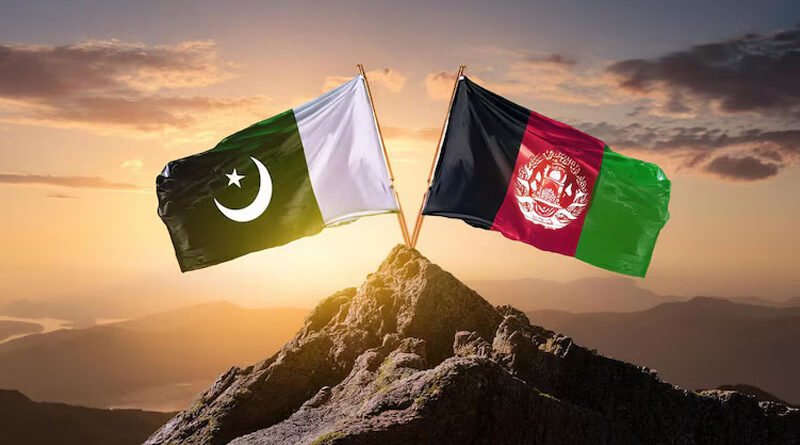
On 24 December, Pakistan’s airstrikes in the Burmal district of Paktika province reportedly killed forty-seven people, most of which, according to Pakistan authorities, belonged to the Tehreek Taliban Pakistan (TTP). The strikes took place at a training facility and a media centre. The strike came after the TTP, using Afghan territory, attacked a couple of days ago on an army outpost near the border with Afghanistan, killing 16 Pakistani soldiers.

This was the second Pakistani airstrike against TTP positions this year. On 18 March 2024, in response to the attack from Afghanistan, the Pakistan Air Force carried out two intelligence-based airstrikes on Afghanistan’s eastern border provinces of Khost and Paktika, killing eight TTP personnel. In between the above two airstrikes, the TTP attacked many times Pakistan’s posts along the border; many Afghan nationals were part of these attacks.

Kabul can’t and won’t sustain terror groups attacking neighbouring countries and the world at large

Afghan Taliban know full well that those killed or injured in the attack were not Afghan nationals. The post-attack messages from the TTP cadres also confirmed that an accurate strike destroyed the TTP’s training and media centre. The concentration of over 50 men in one place was not a coincidence, as they were present with their arms, ammunition and suicide gear. Massive explosions at the attack sites further confirmed the presence of arms and explosives. Whether women and children were killed in the attack is still not clear, as the TTP militants largely inhabited the area.

One can appreciate the hurdles the Afghan Interim Government (AIG) may be facing in controlling the TTP and other terrorist groups, but dealing with the TTP is a much easier option than other terrorist groups such as ISKP.  There is a need to look into the challenges the AIG faces in establishing durable governance in the country. First, although the Taliban authorities may not say so in public, it is becoming obvious that the TTP is fast becoming a liability for the Afghan Taliban. For instance, over two dozen TTP factions are proof that its cadres are not part of a monolith but a divided house rooted in tribal preferences and prejudices. Thuggery is another aspect of the TTP to coerce the people; the common practice is to force a family either to pay money or contribute one person to the TTP for the cause of “Jihad”. A refusal may have dire consequences for the family. Even sober Afghan Taliban leaders have been conceding in confidence that they do not consider the TTP as “Mujahids” as most of their cadres indulge in “blackmail, extortion and forced marriages”.

Second, the power play within the Taliban hierarchy is keeping from an amicable solution to the TTP presence in Afghanistan. It is common knowledge that handing over the TTP personnel, especially their leaders, to Pakistani authorities would not be possible despite Taliban leader Mullah Haibtullah Akhund’s edict that “attacking Pakistan is haram (forbidden). Here, it is not Mullah Haibtullah’s edict but the Pashtun rawaj (tradition) or Pashtunwali (Pashtun code of conduct) which is cited as a reason that forbids the Taliban officials to address Pakistan’s demand and handover TTP personnel to Pakistan government.

Third, the rawaj (tradition) does not mean that the “guest” (TTP) may have the free hand to misuse hospitality and launch attacks on Pakistan from Afghan soil, especially when forbidden by the Supreme leader Mullah Haibtullah. Some TTP apologists argue that Mullah Haibtullah has not issued such an edict. In that case, the Afghan Taliban would be indulging in denigrating the status of their supreme leader by misinforming the Pakistani authorities that Mullah Haibtullah has declared an attack on Pakistan haram and that such a double speak would ultimately be harmful to the Taliban rule in future.

Haqqani Network can’t protect their family and financial interests in Pakistan by continuing support to TTP and other terror groups

Fourth, Afghan Taliban are in a denial mode when it comes to dealing with various terrorist groups are concerned. A UN Security Council report in July 2024 estimated up to 6,500 TTP fighters are based in Afghanistan. However, the same report admitted that “the Taliban do not conceive of TTP as a terrorist group”. Regarding Islamic State Khorasan Province (ISKP), the Taliban consider them as enemies but at the same time deny their presence in the country despite their frequent attacks across the country. ETIM and IMU are other two organizations amongst over a dozen terrorist outfits operating from Afghanistan. When the Taliban are offered assistance to tackle these terrorist outfits, they not only reject such offers but boast about their capability to deal with these organizations. Unfortunately, the Taliban’s egoistic approach has aggravated the situation; the number of attacks inside Afghanistan and its neighbours, especially Pakistan, has only increased ever since the Taliban ruled Kabul.

Fifth, there is a visible pattern in the ongoing support that the TTP receives from the Taliban government. The TTP cadres are more aligned with the Haqqani faction in the Afghan government than the Kandahar leadership. The TTP leaders reside in Haqqani-controlled areas of greater Paktika and Khost regions. Ironically, Haqqanis are considered friends of Pakistan and maintain close relations with Pakistani officials. The entire Haqqani family’s business interests are concentrated in the Waziristan region. It should be a source of concern for everyone in Pakistan’s power circles how TTP cadres are conveniently using the Haqqanis’ shelters to attack Pakistan. Are Haqqanis running with the hare and hunting with the hounds?

The above factors are not favourable to smooth relations with the AIG, requiring the government of Pakistan to revisit the entire gamut of its relations with the Taliban regime. Afghan Taliban must be aware of the consequences of strained relations with Pakistan. They must also realize that they are no longer freedom fighters but a government with huge responsibilities towards its people and the outside world, especially its neighbours. No neighbours of Afghanistan will tolerate Afghan soil being used against them.

Therefore, in the coming days and weeks, the Taliban will have to decide the nature of their relationship with Pakistan—whether to choose TTP or Pakistan. Also, the AIG must determine whether it considers TTP’s struggle against Pakistan right or wrong. For the TTP, a viable path is available if it surrenders arms and owes allegiance to Pakistan’s Constitution. No organization can dictate its agenda with force or defy the Constitution. Other religious parties in the country conduct activities within the Constitution, and TTP is no exception. By supporting the TTP, the Afghan Taliban would not only interfere in Pakistan’s internal matters but also indulge in unfriendly acts with serious consequences

Pakistan to Witness Total Lunar Eclipse on September 7, 2025

January 2, 2025

In 2025, four eclipses are scheduled, with Pakistan set to witness a total lunar eclipse on September 7.

Eclipse Schedule

  • First Lunar Eclipse: March 14, not visible in Pakistan.
  • First Solar Eclipse: March 29, not visible in Pakistan.
  • Second Lunar Eclipse: September 7, visible across Pakistan.
  • Second Solar Eclipse: September 21-22, not visible in Pakistan.

Details of the Visible Eclipse

The total lunar eclipse on September 7 will commence at 8:28 PM and conclude at 1:55 AM on September 8. This event offers a unique opportunity for sky enthusiasts in Pakistan to observe a “Blood Moon,” where the moon takes on a reddish hue.

Preparation for Observers

Astronomy clubs and enthusiasts are advised to prepare for this celestial event, ensuring appropriate equipment and clear viewing locations to fully experience the phenomenon.

Sindh Government Warns Protesters to Clear Roads

January 2, 2025

The Sindh government has issued a stern warning to protesters in Karachi, demanding the clearance of blocked roads. Home Minister Ziaul Hassan Lanjhar emphasized that while the right to protest is respected, obstructing public roads will not be tolerated.

Background

Protests have led to significant traffic disruptions in Karachi, causing inconvenience to commuters and affecting daily life.

Government’s Stance

The government has offered alternative venues for demonstrations and has cautioned that failure to comply will result in strict action.

Public Reaction

Citizens have expressed frustration over the disruptions, urging both the government and protesters to find a peaceful resolution.

Chicken Prices Surge Across Punjab

January 2, 2025

Consumers in Punjab are facing a significant increase in chicken prices. In Lahore and Faisalabad, prices have risen from Rs380–450 per kg to over Rs600 per kg. In Jhang, prices have escalated to as high as Rs650 per kg.

Contributing Factors

  • Seasonal Demand: The wedding season has led to increased demand.
  • Supply Chain Disruptions: Logistical challenges have affected supply.
  • Market Manipulation: Allegations suggest that the poultry mafia is influencing prices.

Impact

The price hike is straining household budgets, prompting calls for government intervention to regulate the market.

Fakhar Zaman Expected to Rejoin Pakistan Squad for Champions Trophy 2025

January 2, 2025

Pakistan’s left-handed batter, Fakhar Zaman, is anticipated to return to the national squad for the ICC Champions Trophy 2025. The tournament is scheduled from February 19 to March 9, co-hosted by Pakistan and the UAE.

Squad Composition

Reports suggest that the team will comprise seven batsmen, four fast bowlers, three spinners, and one wicketkeeper. Mohammad Rizwan is likely to serve as the sole wicketkeeper.

Significance

Fakhar Zaman’s inclusion is expected to bolster Pakistan’s batting lineup, enhancing their prospects in the tournament.

CAA Intensifies Efforts to Lift UK Travel Ban on PIA Flights

January 2, 2025

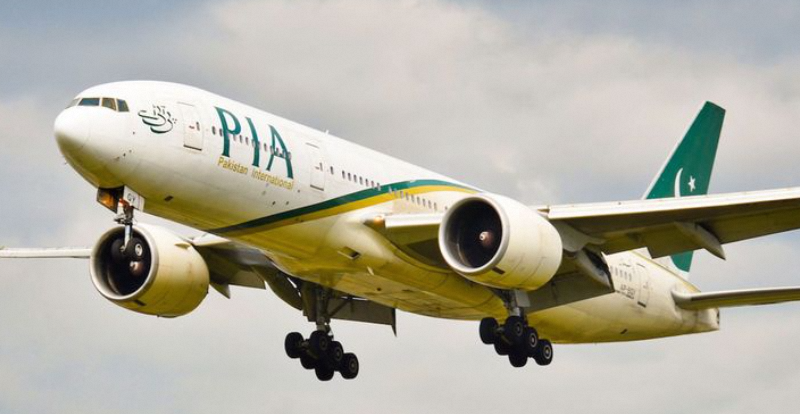
The Civil Aviation Authority (CAA) is actively working to remove the ban on Pakistan International Airlines (PIA) flights to the United Kingdom. This initiative follows the recent resumption of PIA flights to Europe.

Background

In May 2020, the UK imposed a ban on PIA flights due to safety concerns. The European Union Aviation Safety Agency (EASA) had also suspended PIA’s authorization to operate in EU member states. Recently, EASA lifted its ban, allowing PIA to resume flights to Europe. The UK CAA is now considering a similar move.

Current Developments

Sources indicate that the CAA is optimistic about lifting the UK ban by February. PIA plans to restart direct flights to Manchester initially, followed by London and other cities. The airline intends to deploy its Boeing 777 aircraft for these routes.

Implications

Resuming direct flights to the UK is expected to benefit travelers by providing more options and potentially reducing travel costs. It also represents a significant step toward restoring confidence in Pakistan’s aviation sector.

NADRA Updates CNIC and B-Form Fee Structure for January 2025

ISLAMABAD:
The National Database and Registration Authority (NADRA) has announced a new fee structure for Computerized National Identity Cards (CNIC) and Child Registration Certificates (B-Form), effective January 2025. This update aligns with NADRA’s broader efforts to streamline its services and ensure cost recovery.

For CNICs, the normal processing fee remains Rs750, while urgent and executive processing fees are set at Rs1,500 and Rs2,500, respectively. Replacement CNICs will incur similar charges. For B-Forms, the standard processing fee is Rs50, with an expedited option available for Rs500.

NADRA has also introduced an online application process for certain services, reducing the need for in-person visits. This digital initiative is expected to enhance efficiency and reduce long queues at registration centers. Applicants can now track the status of their applications in real-time, further improving the user experience.

Additionally, NADRA has rolled out special discounts for senior citizens and persons with disabilities, underscoring its commitment to inclusivity. Officials have urged citizens to ensure timely renewal of their CNICs and B-Forms to avoid penalties.

The announcement has been met with mixed reactions, with some appreciating the improved services and others criticizing the fees as burdensome for low-income families. However, NADRA maintains that the updated fees are necessary to sustain its operations and invest in technological upgrades.

These changes are expected to significantly enhance NADRA’s ability to serve Pakistan’s growing population, while also addressing the challenges posed by increasing demand for identity verification services.

Greece Boat Tragedy: Four More Pakistani Victims Identified

ATHENS:
The Greece boat tragedy continues to haunt families in Pakistan as the bodies of four additional Pakistani nationals have been recovered. This brings the death toll of Pakistani victims in the disaster to nine, with many others still unaccounted for. The latest victims—Shabbir, Zain Ali, and Zeeshan from Narowal, and Owais Ali from Sialkot—were identified after thorough efforts by Greek authorities and local community volunteers.

The ill-fated vessel, carrying over 700 migrants, capsized near Gavdos Island in the Mediterranean Sea. Overcrowding and poor vessel conditions are believed to have contributed to the catastrophe, making it one of the deadliest incidents involving migrants in recent years.

Pakistani authorities, in collaboration with Greek counterparts, are working to identify and repatriate the bodies. The Pakistani Embassy in Athens has provided assistance to families and arranged for DNA testing to ensure proper identification. Meanwhile, survivors have recounted harrowing tales of their journey, revealing the extent of human trafficking networks operating across Europe and Asia.

Human rights organizations have urged the Pakistani government to take stringent measures to curb illegal migration. These include cracking down on human smugglers, increasing public awareness about the dangers of such journeys, and addressing the socio-economic conditions that drive individuals to seek opportunities abroad at great personal risk.

Efforts are ongoing to locate missing passengers, but hope is dwindling as time passes. The tragedy has sparked renewed calls for international cooperation to address the root causes of migration crises and to prevent such disasters in the future.

Pakistan Implements Pension Reforms to Alleviate Fiscal Pressures

ISLAMABAD:
The Pakistani government has unveiled a series of pension reforms designed to ease the fiscal burden posed by growing pension liabilities. These measures aim to ensure financial sustainability while addressing inefficiencies in the existing system. A notification from the Ministry of Finance outlines several key changes, including the introduction of a revised pension formula and the imposition of penalties on early voluntary retirement.

One of the most significant reforms is the restriction on double-dipping, where retired government employees rejoin the workforce and simultaneously draw a salary and pension. This practice will no longer be permitted, ensuring that public funds are used judiciously. Additionally, the minimum qualifying period for pension eligibility has been increased from 10 to 15 years, aligning with international standards.

The reforms also propose indexing pensions to inflation, which will ensure that retirees maintain their purchasing power while preventing excessive financial strain on the government. A contributory pension scheme is also under consideration, where employees and employers contribute to a retirement fund, reducing reliance on state resources.

Finance Minister Ishaq Dar stated that these changes were necessary to prevent a looming fiscal crisis, as pension payments currently consume a significant portion of the national budget. He emphasized that the reforms would not affect current retirees, focusing instead on future entrants to the workforce.

Critics, however, argue that the government must also address broader inefficiencies in public administration and tackle corruption to complement these reforms. Nevertheless, experts view these measures as a step in the right direction toward ensuring long-term economic stability.

PM Shehbaz Endorses Economic Team’s Ambitious Goals

Prime Minister Shehbaz Sharif has thrown his weight behind the government’s economic team, tasking them with meeting the ambitious goals outlined in the “Uraan Pakistan” initiative. This multi-faceted economic revival plan focuses on achieving growth in exports, digital transformation, equity enhancement, environmental sustainability, and energy infrastructure development.

During a high-level meeting held in Islamabad, the Prime Minister expressed confidence in the team’s ability to deliver results despite the challenging economic climate. He emphasized that consistent and innovative strategies would be required to tackle Pakistan’s mounting fiscal challenges, including inflation, trade deficits, and foreign debt.

Planning Minister Ahsan Iqbal outlined key features of the initiative, highlighting its emphasis on public-private partnerships, technology-driven solutions, and improved governance. Finance Minister Muhammad Aurangzeb also presented an updated roadmap to stabilize the rupee, boost foreign exchange reserves, and attract international investment.

The Prime Minister stressed the importance of timely implementation, stating that delays could jeopardize progress. He directed the economic team to prioritize job creation and measures to alleviate poverty, ensuring that growth benefits all segments of society.

Key components of the plan include special incentives for the IT sector to boost digital exports, enhanced infrastructure for renewable energy projects, and focused efforts on agricultural modernization. In addition, a rigorous framework for monitoring and evaluation has been proposed to ensure transparency and accountability.

While economists have welcomed the initiative, they caution that external shocks, such as fluctuating oil prices and geopolitical tensions, could pose risks to its success. The Prime Minister has assured stakeholders of the government’s readiness to adapt and respond to emerging challenges.

36 FIA Officers Dismissed Over Alleged Role in Greece Boat Tragedy

ISLAMABAD:
In a significant crackdown on human smuggling, the Federal Investigation Agency (FIA) has dismissed 36 officers implicated in the tragic Greece boat incident. This tragedy, which claimed numerous lives, has spotlighted the pervasive issue of human trafficking in Pakistan and the failures within enforcement agencies. The dismissed personnel include inspectors, sub-inspectors, assistant sub-inspectors, head constables, and constables, all of whom were found to have facilitated illegal migration or neglected their duties.

An internal inquiry, led by FIA Director General Ahmad Ishaq Jahangir, unveiled evidence linking these officials to human trafficking networks. As a result, these individuals were not only removed from their posts but also face potential criminal charges. Cases have already been registered against 13 officials directly involved in smuggling operations.

The Greece boat tragedy occurred when an overloaded vessel carrying migrants capsized in the Mediterranean, resulting in significant loss of life. Pakistani nationals made up a large proportion of the victims, raising questions about the accountability of local agencies tasked with curbing illegal migration.

Human rights groups and international organizations have lauded the government’s action against corrupt FIA officers, emphasizing the need for further systemic reforms. The government has reiterated its commitment to dismantling human trafficking networks, pledging to increase monitoring and enhance training for law enforcement personnel.

The FIA’s decisive action marks a critical step in addressing the root causes of illegal migration and restoring public trust in the country’s institutions. However, experts warn that sustained efforts will be required to tackle the socio-economic factors driving individuals to undertake perilous journeys in search of better opportunities.

New Year 2025 in Gaza: Israel Continues Violence

New Year 2025 in Gaza portrayed a different picture while the rest of the world celebrated with fireworks and festivities. Gaza experienced nothing of the sort. Instead of fireworks and festivities, Gaza endured yet another day of tragedy as Israeli airstrikes and artillery bombardments killed at least 17 Palestinians in the northern Jabalia refugee camp and central Bureij camp on New Year’s Day.

For the besieged residents of Gaza, the New Year did not promise new beginnings or relief but worsened suffering because violence, displacement, and cold winter conditions are still opening old wounds.

New Year 2025 in Gaza: A Bleak Reality

While the rest of the world welcomed New Year 2025 with pomp and gaiety, the civilians of Gaza were struggling to come to terms with the merciless brutalities of war. As of October 2023, the Gaza war has claimed over 45,541 Palestinian lives and left over 108,000 injured. For three months, the three-month-long siege by Israel has reduced basic infrastructure to rubble, forced thousands of families to take to the roads, and survival has become a feat for many.

On New Year’s Day, Israeli forces bombarded residential areas in Gaza’s Jabalia and Bureij refugee camps. The attacks killed hundreds of people, worsening the humanitarian situation. Hospitals, already overwhelmed, are barely functioning. For example, Kamal Adwan Hospital stopped working after repeated strikes, leaving Gaza’s injured without critical medical care.

Winter’s Cruel Grip: A Double Blow

Adding to the tragedy of New Year 2025 in Gaza is the cruel grip of winter. Heavy rainfall caused severe flooding in Khan Younis, Deir Al-Balah, and Gaza City, leaving displaced families in makeshift shelters submerged in floodwaters. Refugee camps saw over 1,500 tents destroyed, leaving families exposed to the cold. Floodwaters reaching depths of 30cm inundated homes, destroyed belongings, and heightened the risk of disease.

Six infants killed by hypothermia in just one week is a drastic result of the harsh weather. This winter tragedy demonstrates the hardships that the civilians of Gaza have to face during the period, lacking shelter and resources in the midst of violent attacks.

A Global Contrast in Celebration

As fireworks lit up the skies in major cities around the world, including New York, London, and Sydney, Palestinians in Gaza and the occupied West Bank were under raids and assaults by Israeli forces. On New Year’s Day, Israeli forces also carried out operations in West Bank cities like Jenin, Nablus, and Ramallah. The difference between global celebrations and this suffering in Gaza is how desperately there is an urgent need for international attention to the humanitarian crisis unfolding in Palestine.

However, there are rays of hope for evacuation that have been reflected by evacuating 55 Palestinians accompanied by their caregivers from Gaza to the United Arab Emirates to receive urgent treatment in various health institutions. These are but a few out of the many patients that remain on the over 12,000 list that are still in dire need of evacuation.

The world cannot just turn its head away as New Year 2025 in Gaza becomes a metaphor for unending suffering. Israel must be brought to book and held accountable for its actions that have been generally condemned, particularly the attacks on hospitals. Healthcare facilities have come under unjustifiable attacks, prompting the United Nations to call for proper investigations.

Humanitarian aid should be increased to address the immediate needs of Gaza’s displaced people. Shelter and medical supplies must be adequately provided, while protection for civilians must be ensured, all in an effort to help reduce the suffering of Palestinians worldwide.

Also, see:

In pictures and videos: How the world is celebrating New Year 2025?