PIA Announces Significant Fare Reduction for Flights to Jeddah and Madinah 2024

Pakistan International Airlines (PIA) has introduced a substantial fare reduction for passengers traveling between Karachi and two key Saudi Arabian cities—Jeddah and Madinah. This move comes as part of PIA’s efforts to make air travel more affordable, particularly for those planning religious pilgrimages or business trips.

A spokesperson for PIA confirmed the national carrier’s decision to slash fares by 30 percent, bringing much-needed financial relief to passengers. Under the new fare structure, the cost for a one-way flight from Karachi to either Jeddah or Madinah has been reduced to Rs. 56,000, inclusive of all taxes. Additionally, a round-trip ticket between Karachi and either of these Saudi cities is now priced at Rs. 88,000, also inclusive of taxes.

The spokesperson highlighted that this fare reduction is available for bookings made until August 31, 2024. However, travelers must complete their journeys by September 30, 2024, to benefit from these discounted rates. The spokesperson added that the reduced fares are already in effect, allowing passengers to take immediate advantage of the savings.

This fare reduction is particularly timely, as it aligns with the needs of travelers heading to the holy cities for Umrah or other religious obligations. The reduction is expected to ease the financial burden on many families and individuals, making their travel plans more feasible.

PIA’s spokesperson encouraged potential travelers to book their tickets as soon as possible, given that the availability of discounted seats may be limited. To secure these fares or to obtain more information, passengers are advised to visit PIA’s official website or contact their nearest PIA booking office directly.

This fare cut is a strategic move by PIA to enhance customer satisfaction and loyalty, especially in a competitive market where affordability plays a crucial role in travel decisions. By reducing fares, PIA aims to attract more passengers while providing a more cost-effective travel option for its customers.

Naseem Shah Opens Up About Shielding His Father from the Stress of Watching His Matches 2024

Pakistan’s young pace sensation, Naseem Shah, has shared a deeply personal reason behind why he prefers to keep his father from watching his international cricket matches. In a recent interview, the 20-year-old revealed that his father’s health is a significant concern, particularly due to the stress that accompanies watching high-stakes games.

Naseem, who has quickly become one of Pakistan’s most promising fast bowlers, explained how the intense emotions surrounding the sport can take a toll on his father. “My father didn’t know much about cricket in the beginning, but now he watches every ball,” Naseem shared. “The problem is that he gets really distressed when the team isn’t doing well. Before every big match, I make sure to call my brothers and tell them to keep him away from the TV. I worry that watching the games could worsen his health.”

This concern has led Naseem to feel as though he’s battling on two fronts—on the field against his opponents, and off the field in his thoughts about his father. “It feels like I’m playing two matches at the same time,” he admitted, highlighting the emotional burden that comes with balancing his professional career and his family’s well-being.

Taking a Step Back to Prioritize Family

Following the intense 2024 T20 World Cup, where Naseem was one of Pakistan’s key players, the fast bowler took a brief hiatus from international cricket. He spent time at the National Cricket Academy, focusing on sharpening his skills, but more importantly, he dedicated time to being with his family. For Naseem, this break was not just about physical recovery but also about reconnecting with his roots.

“Family grounds you,” Naseem reflected during the interview. “Cricket has given me a lot, but being with my family reminds me that there’s more to life than just the game. I’m not just a cricketer—I’m also a son. Spending time with them helps me stay balanced and offers a crucial distraction from the pressures of professional cricket.”

Staying Connected to His True Self

While Naseem Shah’s on-field performances have earned him recognition and accolades, it is his relationship with his family that keeps him anchored. Despite the fame and the pressure of representing his country, Naseem emphasized that his family provides him with the perspective he needs to navigate the highs and lows of his career.

“The world sees me as a cricketer, but my family sees me as Naseem, their son and brother,” he said. “They are the ones who remind me of who I truly am, beyond the cricket field. This connection with them is what keeps me sane and helps me manage the immense pressure that comes with the game.”

Naseem’s candid revelation offers a glimpse into the often-overlooked emotional and personal challenges that athletes face. While fans see the thrilling moments on the field, the reality is that cricketers like Naseem carry the weight of their loved ones’ hopes and fears with them, making their journey all the more complex and meaningful.

Sukkur Witnesses Record-Breaking Rainfall in 2024, Sparks Debate Over Accuracy of Claims

Sukkur, a prominent city in Sindh, recently experienced a deluge that some officials claimed broke a 77-year-old rainfall record. According to provincial authorities, Sukkur recorded an unprecedented 290mm of rain in a single day, surpassing previous records. However, this claim has sparked controversy, as the Pakistan Meteorological Department (PMD) has disputed the figures.

Disputed Rainfall Record

In 2022, Sukkur faced intense rainfall, recording 374mm over 12 days. This year, the city allegedly reached 290mm in just one day, a statement issued by the Sindh government declared. However, the PMD’s Chief Meteorologist, Sardar Sarfaraz, rejected this claim, calling it “wrong.” He stated that Sukkur recorded only 116mm of rain over 48 hours, while nearby Rohri received 134mm.

This discrepancy has led to confusion, raising questions about the accuracy of the data and the methods used to measure the rainfall. Sarfaraz’s statement to Geo News emphasized the importance of relying on precise meteorological data rather than unverified claims.

Impact on Sukkur and Response Efforts

Despite the conflicting reports, there is no denying the heavy rainfall’s impact on Sukkur. The city’s infrastructure was put to the test as rainwater inundated several areas, including Old Sukkur and Ghanta Ghar. The local administration, led by Sukkur Mayor Barrister Arsalan Islam Sheikh, launched a massive dewatering operation to address the situation.

Sheikh reported that 80% of the city’s affected areas had been cleared of water, with work ongoing in the remaining 20%. He credited the Sukkur Municipal Corporation’s preemptive measures, including the upgradation of disposal stations and the installation of heavy generators, for the relatively swift response. Despite these efforts, the city’s drainage systems were overwhelmed by the sheer volume of rainwater, highlighting the need for further infrastructure improvements.

The Broader Context: Climate Change and Pakistan’s Vulnerability

Sukkur’s recent rainfall underscores the growing challenges posed by climate change in Pakistan. The country, which contributes less than 1% to global greenhouse gas emissions, is disproportionately affected by the consequences of climate change. The monsoon season, which runs from June to September, has become increasingly erratic, with more frequent and severe weather events.

The devastating floods of 2022 serve as a stark reminder of Pakistan’s vulnerability. A third of the country was submerged, resulting in over 1,700 deaths and the displacement of 33 million people. The economic impact was equally catastrophic, with thousands of homes and livelihoods destroyed. These events have underscored the urgent need for climate resilience and disaster preparedness.

Looking Ahead: Preparing for the Future

As Pakistan continues to grapple with the effects of climate change, accurate weather forecasting and data collection will be crucial. The dispute over Sukkur’s rainfall figures highlights the importance of reliable meteorological information in guiding response efforts and informing public awareness.

Moreover, the country’s infrastructure must be adapted to withstand increasingly severe weather events. Investments in drainage systems, flood defenses, and early warning systems will be essential to protect communities from the devastating effects of climate change.

For Sukkur and other vulnerable regions, the recent rainfall is a wake-up call. While the immediate crisis may have been managed, the long-term challenges of climate change require sustained and coordinated efforts at all levels of government and society.

Pakistan Sees Sharp Decline in Mobile Phone Imports in July FY25

Pakistan’s mobile phone imports witnessed a significant drop in the first month of the fiscal year 2024-25. The country imported mobile phones worth $64.504 million in July 2024, reflecting a 5.30% decrease compared to the $68.113 million imported during the same period last year. In local currency terms, this amounts to Rs. 17.957 billion, marking a 6.18% decline from Rs. 19.140 billion recorded in July 2023.

The decrease in imports is even more drastic when observed on a month-to-month basis. In June 2024, the nation imported mobile phones worth $278.574 million, making the $64.504 million figure for July 2024 a 76.84% drop. This stark reduction comes as the government continues to implement stringent measures aimed at curbing non-essential imports and stabilizing the country’s foreign exchange reserves.

Broader Telecom Sector Performance

Interestingly, despite the sharp decline in mobile phone imports, the overall telecom imports in Pakistan experienced growth. The total telecom imports for July 2024 reached $102.587 million, representing a 13.25% increase from the $90.588 million recorded in July 2023. This growth indicates that while mobile phone imports have dipped, other telecom-related imports, such as equipment and services, have offset this decline, contributing positively to the sector’s overall performance.

Over the entire fiscal year 2023-24, Pakistan imported mobile phones valued at $1.898 billion, a substantial 233% increase from $570.071 million in the previous fiscal year. This surge highlights the robust demand for mobile devices in Pakistan, despite economic challenges such as inflation and currency depreciation.

Growth in Local Manufacturing and Assembly

In contrast to the decline in imports, Pakistan’s local mobile phone manufacturing and assembly sector has shown remarkable growth. During the first half of 2024 (January to June), local plants produced 17.34 million mobile handsets, a significant increase compared to the 0.84 million units that were imported commercially. This shift towards local manufacturing aligns with the government’s broader strategy to reduce dependency on imports and promote domestic production.

June 2024 alone saw the assembly of 4.26 million mobile handsets locally, with only 0.08 million units being imported. Over the first five months of the year, a total of 13.08 million handsets were produced domestically, compared to 0.76 million imported units. This trend not only underscores the growing capabilities of Pakistan’s manufacturing sector but also points to a strategic pivot towards enhancing local production to meet domestic demand.

The Shift Towards Smartphones

A significant portion of the locally manufactured handsets are smartphones, reflecting the country’s ongoing digital transformation. Out of the 17.34 million handsets produced in the first half of 2024, 11.15 million were smartphones, while 6.19 million were 2G feature phones. Data from the Pakistan Telecommunication Authority (PTA) reveals that 61% of mobile devices currently active on the network are smartphones, with the remaining 39% being 2G devices. This shift highlights the increasing penetration of digital services and internet connectivity in Pakistan, driving the demand for more advanced mobile devices.

The steep decline in mobile phone imports in July 2024, coupled with the rise in local manufacturing, represents a significant shift in Pakistan’s telecom landscape. The government’s policies aimed at reducing imports and bolstering domestic production appear to be paying off. However, sustaining this momentum will require continued investment in local manufacturing capabilities and supportive policies that encourage technological advancement. As Pakistan moves towards greater self-reliance in the telecom sector, these developments could have far-reaching implications for the country’s economic stability and technological growth.

Ali Zafar Pioneers 1st AI-Generated Music Video with ‘Rang Rasiya’ Featuring Nirmala Maghani

In an unprecedented move in the Pakistani music industry, acclaimed singer Ali Zafar has teased his fans with a groundbreaking AI-generated music video titled “Rang Rasiya.” The video, featuring the talented Nirmala Maghani, has already started creating ripples across social media with its unique blend of traditional Sindhi culture and cutting-edge technology.

A Revolutionary Approach to Music Videos

Ali Zafar’s latest project is not just another music video; it’s a fusion of art, technology, and culture. By using AI, Zafar has stepped into uncharted territory, offering a glimpse into what could be the future of music videos. The video tells the story of a Sindhi bride, portrayed through AI-generated visuals, as she embarks on a journey through the depths of water and the vast expanses of the desert, symbolizing her quest for dreams beyond the traditional confines of her life.

The Inspiration Behind ‘Rang Rasiya’

The song features the mesmerizing vocals of Nirmala Maghani, a singer hailing from Umerkot, Tharparkar. Her passion for music, despite living in a remote area, caught the attention of Ali Zafar when a WhatsApp clip of her singing was shared with him by the renowned cultural figure, Mian Yousuf Salahuddin. Struck by her voice and the determination she displayed in pursuing music against all odds, Zafar decided to collaborate with her on this unique project.

The Role of AI in Creating ‘Rang Rasiya’

What makes “Rang Rasiya” particularly revolutionary is its use of AI to create a visual narrative that is both stunning and symbolic. The video features an AI-generated Sindhi bride who, against the backdrop of the traditional desert landscape, dives deep into water, exploring both the literal and metaphorical depths of her dreams. The juxtaposition of the bride with a contemporary figure suggests a narrative that transcends time and space, embodying both tradition and modernity.

In a caption shared on social media, Ali Zafar explained the meticulous process behind the video. He emphasized the effort it took to incorporate AI into the project, noting that it required careful attention to detail and numerous revisions to achieve the final product. However, Zafar believes that the end result is well worth the effort, as it offers something truly unique and different from anything seen before in the region’s music industry.

A Visual and Cultural Masterpiece

The visuals in “Rang Rasiya” are nothing short of breathtaking. The desert, with its endless stretches of sand, serves as a powerful metaphor for the bride’s journey, while the deep water she dives into symbolizes the unexplored depths of her potential. The video is not just a treat for the eyes but also a celebration of Sindhi culture, presenting it in a way that resonates with both traditional and contemporary audiences.

Ali Zafar’s use of AI in this music video is a bold step that could potentially reshape the future of music video production, not just in Pakistan, but globally. By integrating advanced technology with rich cultural narratives, Zafar has demonstrated that music videos can be more than just entertainment—they can be a powerful medium for storytelling and cultural expression.

A New Era in Music

“Rang Rasiya” is a testament to Ali Zafar’s innovative spirit and his commitment to pushing the boundaries of creativity. As fans and critics alike continue to praise the video, it’s clear that Zafar has set a new benchmark in the music industry. His collaboration with Nirmala Maghani, a voice from the remote areas of Sindh, and his pioneering use of AI technology, make “Rang Rasiya” not just a song, but a significant cultural moment.

As the video continues to make waves online, it serves as a reminder of the limitless possibilities that lie at the intersection of technology, art, and culture.

Ola Electric Takes a Bold Leap with India’s First AI Chips in 2024

In a move that has sent ripples through the tech industry, Ola Electric, best known for its electric scooters and ride-hailing services, has announced its entry into the artificial intelligence (AI) hardware market. This ambitious venture aligns with India’s growing focus on becoming a global player in AI technology. The announcement comes as a surprise to many, given Ola Electric’s existing focus on transportation, but it marks a significant step forward for both the company and the Indian tech landscape.

Ola Electric has revealed plans to launch a family of AI chips by 2026, with three distinct models: Bodhi 1, Ojas, and Sarv 1. The most noteworthy among them is Bodhi 1, which will be the first AI chip to be designed and manufactured entirely in India. This development could potentially position India as a key contributor in the global AI hardware market, a space currently dominated by a few major international players.

The Significance of Bodhi 1

Bodhi 1 represents a milestone not just for Ola Electric but for the Indian tech industry as a whole. Designed specifically for AI inferencing tasks, Bodhi 1 is expected to excel in processing large language models (LLMs) and handling high-performance vision processing tasks. Ola Electric has emphasized that Bodhi 1 is engineered for power efficiency, addressing one of the most pressing challenges in AI hardware today. With energy consumption becoming a critical factor in AI operations, Bodhi 1’s efficiency could make it a strong contender in the market.

Ojas and Sarv 1: Expanding AI Capabilities

Beyond Bodhi 1, Ola Electric is also introducing Ojas, a chip designed for edge AI applications. The Ojas chip is highly versatile, catering to a wide range of sectors including automotive, mobile, and the Internet of Things (IoT). Ola Electric has ambitious plans to integrate Ojas into its future electric vehicles, where it could play a pivotal role in managing features such as charging optimization and advanced driver assistance systems (ADAS). This integration underscores Ola Electric’s strategy to leverage AI technology to enhance its core products, particularly in the fast-evolving electric vehicle market.

The third chip in Ola’s lineup, Sarv 1, is a general-purpose server CPU based on the Arm architecture. Sarv 1 is designed to meet the increasing AI computing demands of the data center industry. As data centers become ever more critical in AI development and deployment, Sarv 1 could offer a competitive solution, potentially positioning Ola Electric as a significant player in this space.

Industry Reactions and Concerns

Ola Electric’s announcement was met with excitement, but also with skepticism. The company made bold claims about the performance and power efficiency of its chips, even directly comparing them to Nvidia GPUs, which are currently the industry standard for AI hardware. However, some industry analysts have raised questions about these claims, particularly because Ola did not specify which Nvidia GPU models were used in the comparisons. This lack of detail has led to doubts about the accuracy of the performance benchmarks presented by Ola.

Moreover, Ola Electric has not yet disclosed the fabrication process for its chips, a critical factor that will influence both performance and production costs. The choice of fabrication facility is crucial in semiconductor manufacturing, and the absence of this information has left some industry experts concerned about the viability of Ola’s plans.

A New Chapter for Ola Electric

As Ola Electric ventures into the AI hardware market, the company faces a challenging road ahead. The success of this bold initiative will depend on its ability to navigate the complexities of semiconductor manufacturing, secure market adoption, and compete with established players like Nvidia. If successful, Ola’s AI chips could not only diversify its product offerings but also position India as a key player in the global AI ecosystem.

The next few years will be critical as Ola Electric works to bring its AI chips to market. Industry observers will be keenly watching to see how the company addresses the challenges ahead and whether it can deliver on its promise of high-performance, energy-efficient AI hardware. This venture could mark a significant turning point for Ola Electric and the broader Indian tech industry, setting the stage for future innovations in AI technology.

Infinix Hot 50 Series Leak Unveils Upcoming Models

The Infinix Hot 50 series is generating buzz as the first leaks hint at what could be another promising lineup from the smartphone maker. Although detailed specifications are yet to be revealed, sources like Gizmochina suggest that the series will comprise five models: the Infinix Hot 50, Hot 50 Pro, Hot 50 Pro+, Hot 50 5G, and the Hot 50i.

The Infinix Hot 50 Pro+ is expected to lead the pack with top-tier features, while the Hot 50i will serve as the entry-level model with fewer upgrades compared to its predecessors. This strategic model diversification is designed to cater to a wide range of consumer preferences, from budget-conscious buyers to those seeking more advanced capabilities.

Leaked Model Numbers and Series Breakdown

The following model numbers have surfaced for the Infinix Hot 50 series:

  • Infinix Hot 50: X6882
  • Infinix Hot 50 Pro: X6881
  • Infinix Hot 50 Pro+: X6880
  • Infinix Hot 50 5G: X6720
  • Infinix Hot 50i: X6531

Interestingly, Infinix has decided to split the base model into 4G and 5G versions, a move that underscores the growing importance of 5G connectivity in today’s smartphone market. The Hot 50 5G will likely feature a different chipset to support its 5G modem, setting it apart from the 4G variant and making it an attractive option for tech-savvy consumers in regions with 5G coverage.

Expected Features and Innovations

While the technical details of the series remain under wraps, the Infinix Hot 50 series is anticipated to build on the success of its predecessors with significant upgrades across the board. The Pro+ variant, for example, could introduce enhanced camera systems, more powerful processors, and faster charging technology, catering to users who demand high performance.

Given Infinix’s track record, we can expect the Hot 50 series to strike a balance between affordability and functionality. The inclusion of a 5G model is particularly notable, as it indicates Infinix’s intention to stay competitive in a rapidly evolving market where 5G is becoming increasingly accessible.

Timeline and Further Developments

As with any early leak, the information is subject to change as more details come to light. Over the next few weeks, we can expect further leaks to shed light on the exact specifications, design, and pricing for each model in the Infinix Hot 50 series. An official launch date has yet to be announced, but based on previous releases, it is likely just around the corner.

For consumers, the Infinix Hot 50 series promises a diverse lineup that offers something for everyone, whether you’re looking for an entry-level device or a smartphone packed with the latest features. As the leaks continue to emerge, anticipation is building for what could be one of Infinix’s most comprehensive series to date.

The Infinix Hot 50 series is poised to be a significant release, reflecting the brand’s commitment to innovation and its focus on delivering value across different price segments. As we await more details, it’s clear that Infinix is gearing up to make a strong statement in the competitive smartphone market with this upcoming series.

Ahsan Iqbal Emphasizes Economic Restoration as Pakistan’s Top 1 Priority

Federal Minister for Planning, Ahsan Iqbal, emphasized on Sunday that the restoration of Pakistan’s economy remains the government’s foremost challenge. In a conversation with a private news channel, Iqbal highlighted the critical need for dedicated efforts to steer the country back onto a path of progress and development over the next two to three years.

Commitment to Economic Stability

During the interview, Iqbal underlined the government’s commitment to addressing the economic difficulties currently facing the nation. “The restoration of Pakistan’s economy is our top priority,” he stated, adding that with sustained efforts, the government aims to achieve stability and development in the coming years.

Iqbal also expressed optimism about the future, noting that despite the daunting challenges, the government remains resolute in its mission to navigate the country through this difficult period. “We are dedicated to overcoming these economic hardships and steering the country towards stability,” he affirmed.

Criticism of Past Leadership

Responding to a question about the root causes of the current economic situation, Iqbal pointed to what he described as the mismanagement by previous leadership. He attributed the ongoing economic challenges to the leadership that took office in 2018, referring to the then-government as inexperienced. “The country is facing economic difficulties today because an inexperienced individual was brought into power in 2018,” Iqbal remarked, alluding to the previous administration.

He suggested that the economic turmoil Pakistan is experiencing now is a consequence of the policies and decisions made during that time, which he believes lacked the necessary expertise to manage the country’s complex economic needs.

PML-N’s Track Record of Economic Recovery

Despite the current economic challenges, Iqbal expressed confidence in the Pakistan Muslim League-Nawaz’s (PML-N) ability to restore financial stability. He pointed to the party’s historical record of navigating similar crises, suggesting that the PML-N has the experience and capability to lead the country out of its present economic difficulties.

“The PML-N has overcome financial hardships in the past, and we are determined to do so again,” Iqbal stated. He referenced the PML-N’s previous terms in government, during which the party implemented measures that led to significant economic improvements, and assured that similar efforts would be undertaken to restore economic growth and stability.

Looking Ahead

As Pakistan grapples with significant economic challenges, the government’s focus remains on devising and implementing strategies that will lead to recovery. Ahsan Iqbal’s remarks reflect the administration’s understanding of the urgent need for economic stability and its commitment to working toward a brighter future for the country.

With a renewed focus on economic reform and development, the government aims to set Pakistan on a sustainable path to growth, ensuring that the hardships faced by the people today are alleviated in the near future. The coming years will be critical in determining the success of these efforts and the overall trajectory of the nation’s economy.

PCB Chairman Mohsin Naqvi Reviews Progress on Gaddafi Stadium Renovation 2024

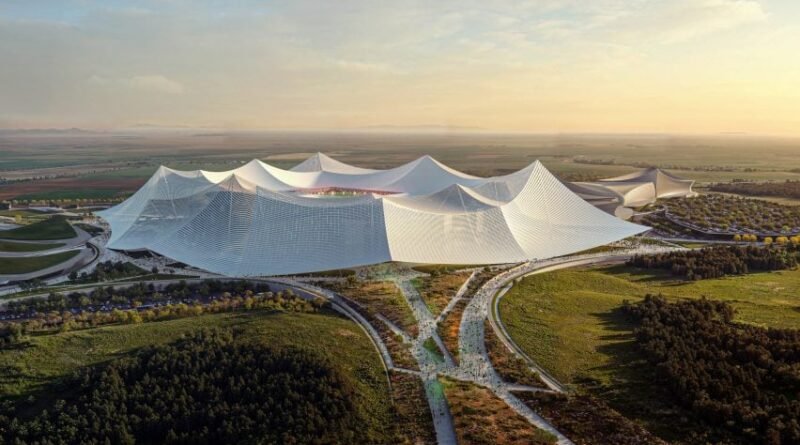
Pakistan Cricket Board (PCB) Chairman Mohsin Naqvi recently conducted a site visit to Gaddafi Stadium, Lahore, to assess the ongoing development work aimed at upgrading the iconic venue ahead of the 2025 ICC Champions Trophy. The visit underscored the PCB’s commitment to preparing the stadium to meet international standards and ensure it is ready to host key matches during the prestigious tournament.

Stadium Renovation in Full Swing

During the visit, Chairman Naqvi received a detailed briefing from the officials of the construction company responsible for the renovation work. The renovation is part of a broader initiative to upgrade several cricketing venues across Pakistan in preparation for the Champions Trophy. Significant enhancements are planned for Gaddafi Stadium, including the reconstruction of the main building and comprehensive renovation of the Imran Khan and Fazal Mahmood enclosures. These upgrades are aimed at modernizing the stadium’s facilities, enhancing the spectator experience, and aligning the venue with the requirements of international cricket events.

Challenges and Commitment

Speaking to the media at Gaddafi Stadium, Naqvi acknowledged the challenges of completing the renovation work within the tight deadlines but expressed confidence in the progress being made. “The construction in such a short time frame is a significant challenge, but we are progressing as quickly as possible,” he said. He emphasized the importance of completing the work on time, not only to host the Champions Trophy matches successfully but also to elevate the standard of Pakistan’s cricket infrastructure.

Naqvi also highlighted the broader goal of the PCB to ensure that the stadiums in Pakistan rank among the best in the world. “We are committed to transforming our grounds into some of the best in the world,” he added, reiterating the PCB’s dedication to enhancing the country’s cricket venues to attract more international events and provide a world-class experience for players and fans alike.

Focus on Multiple Venues

The Gaddafi Stadium is one of three major cricket venues currently undergoing renovation in preparation for the Champions Trophy. The other two venues include the National Stadium in Karachi and the Rawalpindi Cricket Stadium. Naqvi acknowledged the scale of the challenge in preparing all three venues on time but reaffirmed the PCB’s commitment to ensuring that all necessary work is completed well before the tournament.

Looking Ahead to the Champions Trophy 2025

The 2025 ICC Champions Trophy is set to be a major event for Pakistan, marking the first time the country will host the tournament since 2008. The PCB’s efforts to upgrade its cricketing infrastructure reflect its ambitions to not only host a successful tournament but also position Pakistan as a premier destination for international cricket. With the renovations at Gaddafi Stadium and other key venues, the PCB aims to showcase Pakistan’s capability to deliver top-tier cricket events on the global stage.

As the renovation work at Gaddafi Stadium progresses, all eyes will be on the PCB’s ability to meet its ambitious targets and ensure that the iconic venue is ready to welcome teams and fans from around the world for the Champions Trophy in 2025.

Government Poised to Introduce Fuel Price Adjustment in Gas Bills 2024

In a significant move aimed at addressing the financial challenges within Pakistan’s energy sector, the federal government is reportedly planning to implement a fuel price adjustment mechanism in gas bills for both commercial and residential consumers. This development is part of a broader strategy to stabilize the country’s energy sector and ensure sustainable revenue streams amid fluctuating global fuel prices.

Fuel Price Adjustment: A New Mechanism for Gas Consumers

The decision to introduce a fuel price adjustment (FPA) in gas bills comes on the heels of recommendations made by a high-level committee formed to tackle issues plaguing Pakistan’s petroleum sector. The committee, which held a meeting chaired by Deputy Prime Minister Ishaq Dar, agreed that such a mechanism would help align gas prices more closely with international market trends, thereby reducing the financial burden on the government.

The fuel price adjustment mechanism is expected to operate similarly to the one already in place for electricity consumers, where fuel costs are adjusted periodically based on fluctuations in international oil and gas prices. By applying this adjustment to gas bills, the government aims to reflect real-time changes in fuel costs, ensuring that consumers pay rates that are more consistent with the current market conditions.

Amendments to the OGRA Ordinance

To facilitate the introduction of the fuel price adjustment mechanism, the committee has directed the Petroleum Division to draft and propose necessary amendments to the Oil and Gas Regulatory Authority (OGRA) Ordinance. These amendments are intended to empower OGRA to implement a system that allows for the adjustment of gas rates on a monthly or quarterly basis. This approach would provide the government with the flexibility to manage gas prices more effectively and transparently, potentially minimizing the impact of global price volatility on domestic consumers.

The proposed amendments will likely undergo a review process before being presented to the relevant legislative bodies for approval. If passed, these changes could be implemented within the next few months, marking a significant shift in how gas prices are regulated in Pakistan.

Ensuring Security for Energy Infrastructure

In addition to the fuel price adjustment mechanism, the committee also emphasized the importance of bolstering security for the country’s energy infrastructure. The Interior Division has been tasked with working closely with Exploration & Production (E&P) companies, as well as other stakeholders, to enhance security measures across key energy sites. This step is crucial for ensuring the uninterrupted supply of gas and protecting vital energy assets from potential threats.

Given the strategic importance of the energy sector to Pakistan’s economy, the government’s focus on improving security underscores its commitment to safeguarding the nation’s energy supply chain. Enhanced security protocols will not only protect critical infrastructure but also foster greater confidence among investors and international partners.

Implications for Consumers

For consumers, the introduction of a fuel price adjustment in gas bills could lead to more frequent changes in the cost of gas, depending on the fluctuations in global fuel prices. While this mechanism aims to make pricing more reflective of market realities, it could also result in higher bills during periods of rising international oil and gas prices. Conversely, consumers could benefit from lower rates when global prices decline.

The government’s decision to explore this mechanism reflects its ongoing efforts to manage the financial pressures within the energy sector, which have been exacerbated by rising global fuel costs and domestic economic challenges. By aligning gas prices with market trends, the government hopes to achieve greater financial stability and ensure the sustainability of the country’s energy supply.

As the government moves forward with these plans, all eyes will be on the proposed amendments to the OGRA Ordinance and the subsequent impact on gas pricing in Pakistan.

Pakistan vs Bangladesh: A Look at the Head-to-Head 1 Test Record

As Pakistan prepares to take on Bangladesh in a two-match Test series starting on August 21 at the Rawalpindi Cricket Stadium, all eyes are on the upcoming contest between these two cricketing nations. This series is particularly significant as it marks Bangladesh’s first Test tour to Pakistan in four years, reigniting a rivalry that has seen Pakistan dominate historically.

Historical Head-to-Head Overview

The head-to-head record between Pakistan and Bangladesh in Test cricket tells a story of one-sided dominance. Since their first encounter, the two teams have faced off 13 times in Test matches, with Pakistan winning 12 of those encounters. Bangladesh, despite their progress in international cricket, have yet to secure a single victory against Pakistan in this format. The only draw between the two sides came during Pakistan’s 2015 tour of Bangladesh at the Khulna Stadium, a match where Bangladesh managed to hold their ground and avoid defeat.

This lopsided record highlights the challenges Bangladesh has faced in Test cricket, particularly against a formidable opponent like Pakistan. However, cricket is an unpredictable sport, and every new series offers a fresh opportunity for teams to rewrite history.

Bangladesh’s Quest for a Breakthrough

The upcoming series presents a new challenge and opportunity for Bangladesh. Led by their young skipper, Najmul Hossain Shanto, the team is eager to end their winless streak against Pakistan. The Bangladesh squad for this series is a balanced mix of youthful exuberance and seasoned experience. Veteran all-rounder Shakib Al Hasan and experienced wicketkeeper-batter Mushfiqur Rahim will play pivotal roles in guiding the team through what promises to be a tough series.

Bangladesh’s strategy is likely to revolve around nurturing their young talents while relying on the experience of Shakib and Mushfiqur to provide stability and leadership. Shakib’s all-round capabilities and Mushfiqur’s reliability with the bat make them crucial to Bangladesh’s chances of success. The team will need to strike the right balance between aggression and caution, especially when facing Pakistan’s strong bowling attack.

Pakistan’s Continued Dominance

For Pakistan, the goal remains clear: to maintain their dominance over Bangladesh and secure another series victory. Under the leadership of Babar Azam, Pakistan will be looking to continue their impressive record against Bangladesh. The team is aiming for a clean sweep, which would further solidify their position in the ICC World Test Championship standings.

However, Pakistan will be without a couple of key players for this series. Star all-rounder Aamer Jamal has been ruled out due to fitness issues, and the team will also miss the services of their premier red-ball spinner, Abrar Ahmed. Despite these absences, Pakistan’s squad is filled with talent and depth, particularly in their pace bowling department, which is expected to exploit the conditions at Rawalpindi.

Head-to-Head Record: A Summary

TeamsWins (W)Losses (L)Draws (D)
Pakistan1201
Bangladesh0121

The head-to-head record reflects Pakistan’s dominance, but it also adds an extra layer of motivation for Bangladesh as they look to challenge their rivals. The series is more than just a battle for supremacy; it’s a chance for Bangladesh to prove their mettle and for Pakistan to reinforce their superiority.

As the first Test approaches, cricket fans from both nations will be eagerly anticipating the outcome. Will Bangladesh finally break their winless streak, or will Pakistan continue their reign over their South Asian neighbors? The answers will unfold on the field as both teams gear up for what promises to be an exciting series.

Was It More Than Just a Crime? Exploring the Possible Conspiracy Behind the Kolkata Rape Case

Kolkata Rape Case: A 31-year-old postgraduate trainee doctor at RG Kar Medical College and Hospital in Kolkata was gruesomely raped and murdered, outraging people all across the country and scaring them about their safety at work places for health workers. The gruesome act took place at the seminar hall of the hospital where the lady was found dead. According to the police, the accused, one Sanjay Roy, has been arrested, but many still believe that a larger conspiracy may be behind the act.

Colleagues and parents of the victim expressed concern regarding how the crime had happened. People question whether Roy knew that she would be in the seminar hall alone, or even whether she was a target to begin with. The diaries of hers reveal that she was extremely stressed due to the workload, working shifts of 36 hours nonstop.

There are now suspicions that she might have been killed for her knowledge of illegal activities within the hospital. A colleague said she was aware of a drug-siphoning racket and might have been trying to expose it. Investigation The investigation has focused on this angle after the case was handed over to the Central Bureau of Investigation following concerns about the manner of inquiry by the police in the initial days.

The crime has come out drawing comparisons with the 2012 Delhi gang rape case regarding its enormity and has been followed by protests nationwide by doctors who demanded justice. The family of the victim, just like the public, is asking for the most stringent punishment to the accused. Further probe into the case by CBI will reveal more about the possible conspiracy and illegal activities associated with it.

Also, see:

Supreme Court of Pakistan intervenes audio leaks case, suspends previous orders of IHC

Salman Ali Agha Prepares to Lead Pakistan’s Spin Attack in Abrar Ahmed’s Absence 1

As Pakistan gears up for the first Test against Bangladesh on August 21 at the Rawalpindi Cricket Stadium, all eyes are on Salman Ali Agha, the all-rounder who will shoulder the responsibility of being the team’s sole spinner in the absence of Abrar Ahmed. This match is particularly significant as it is part of the ongoing ICC World Test Championship 2023-25, making every point crucial for both teams.

Salman Ali Agha Confident in His Role

During a press conference held at the Rawalpindi Cricket Stadium on Sunday, Salman Ali Agha exuded confidence in his ability to handle the pressure of being the only spinner in the squad. Despite the challenge, Salman remains optimistic and focused. “I have played as the lone spinner in Australia and performed well there,” he stated, referencing his previous experience in difficult conditions. “I don’t feel any pressure. I’m ready to deliver.”

Salman’s calm demeanor and self-assurance are crucial as Pakistan enters the Test with a pace-heavy squad, given the conditions in Rawalpindi. The pitch, traditionally known for its green surface, is expected to favor fast bowlers. However, Salman’s versatility as a bowler gives Pakistan an additional edge, allowing them to maintain a balanced attack despite the absence of a specialist spinner like Abrar Ahmed.

The Rawalpindi Pitch and Pakistan’s Strategy

The Rawalpindi pitch has a reputation for assisting fast bowlers, which is why the selectors have opted for a predominantly pace-oriented attack. “The pitch in Rawalpindi looks green and seems to favor fast bowlers more,” Salman remarked, acknowledging the conditions that will likely shape the course of the match. Despite the odds, Salman is prepared to make the most of the situation, confident that his skills will shine through, even if the conditions are not traditionally spin-friendly.

Salman’s role as a spinner will be pivotal, especially if the pitch begins to deteriorate over the course of the five days, offering more assistance to spinners. His ability to exploit any turn available could be a game-changer, particularly in the latter stages of the match.

Team Unity Amidst External Noise

Salman also took the opportunity to highlight the strong unity within the Pakistan squad, emphasizing that the players are focused solely on their game and not distracted by outside influences. “The atmosphere in the team is healthy. All players support each other like brothers and friends. We have nothing to do with whatever is going on social media,” he said, addressing any rumors or speculations circulating outside the dressing room.

This sense of camaraderie is essential as Pakistan looks to start the series on a high note. The team’s collective spirit, coupled with Salman’s readiness to step up as the main spinner, positions Pakistan well for the challenge ahead.

Venue Change for the Second Test

In other developments, the second Test of the series, initially scheduled to be held at Karachi’s National Bank Stadium, has been relocated to Rawalpindi due to ongoing construction work at the original venue. The match will now take place from August 30 to September 3, adding another layer of importance to Salman’s performance in the first Test, as the conditions in Rawalpindi will likely play a significant role in both matches.

With the Test series against Bangladesh marking an important chapter in Pakistan’s journey in the ICC World Test Championship, Salman Ali Agha’s role as the sole spinner could prove pivotal. His confidence, combined with the team’s unity, will be key factors as Pakistan seeks to secure crucial points in the championship.

Accountability Court Sends Imran Khan and Wife Back to Jail

An accountability court in Rawalpindi has ordered 15-day judicial remand of Pakistan Tehreek-e-Insaf founder Imran Khan and wife, Bushra Bibi, in the Toshakhana reference case. The case was filed by the national accountability bureau against the PTI chief. The couple, previously placed on a seven-day remand, was presented before the court by a team from the NAB as that remand expired today.

The hearing was conducted at Adiala Jail, presided by Accountability Court Judge Nasir Javed Rana. The court issued directives for the next appearance of both Imran Khan and Bushra Bibi on September 2.

The couple’s recent arrest on July 13 was made shortly after their acquittal in the Iddat case, where they were sentenced to seven years of imprisonment earlier this year and fined Rs500,000 each. According to the indications, the fresh Toshakhana reference covers allegations pertaining to improperly benefiting from state gifts, which has been one of the core issues with respect to the subject under investigation by the NAB.

Also, see:

Supreme Court of Pakistan intervenes audio leaks case, suspends previous orders of IHC

Hamas Accuses Netanyahu of Blocking Gaza Truce: Is it True?

Hamas has accused Israeli Prime Minister Benjamin Netanyahu of plotting against the finalization processes for the truce and a hostage exchange deal in Gaza. Hamas further claimed that such actions by Netanyahu expose the hostages to danger. The allegations come after two days of mediation talks in Doha where US, Egyptian, and Qatari mediators have been involved.

Israeli Prime Minister Behind Blocking Gaza Truce

Friday, the United States reportedly presented a new compromise proposal in hopes of satisfying Netanyahu’s concerns. Hamas has come forth to indicate that already, Netanyahu has rejected major tenets of the proposal, especially a permanent ceasefire. The Israeli leader has also demanded that Israeli forces stay in certain strategic positions, including the Netzarim junction, the Rafah crossing, and the Philadelphi corridor. These are major positions from where Israel can ensure no weapons get into Gaza.

Hamas has accused Netanyahu of constantly retreating from previously agreed terms, delaying the hostage exchange. The group also welcomed a proposal submitted last May by US President Joe Biden for a three-phase deal that would include a six-week truce, the releasing of the hostages taken on October 7, and an Israeli withdrawal from densely populated areas of Gaza.

The situation is still very tense, as international mediators are still trying to squeeze out a resolution. But so far, the conflict rages on within Gaza, and Hamas says Netanyahu’s extra demands are the main stumbling block to peace.

Also, see:

Supreme Court of Pakistan intervenes audio leaks case, suspends previous orders of IHC

Supreme Court of Pakistan intervenes audio leaks case, suspends previous orders of IHC

The Supreme Court of Pakistan has intervened in the ongoing audio leaks case, suspending the previous orders of the Islamabad High Court (IHC) dated May 29 and June 25. The two-member bench of Justice Aminuddin Khan and Justice Naeem Akhtar Afghan heard the audio allegedly involving key political figures.

At the hearings, the SC also issued notices to Bushra Bibi, the wife of former Prime Minister Imran Khan, and Najam-ul-Haq, the son of former Chief Justice Saqib Nisar, on the appeals that the federal government had filed against the judgments of the IHC.

Justice Aminuddin Khan highlighted important questions vis-a-vis the authenticity of such audio recordings, of that, on what basis the IHC could uphold that a certain person had in fact recorded. The court was observed by the judges as making comments on the investigation process which, according to them, were not being pursued to reach the real veracity. Afghan said that the basic steps are to be taken to authenticate the recordings mentioned before proceeding it further.

SC also raised doubts on the jurisdiction of IHC under Article 199 of the Constitution by explaining its violation of and how the court’s mandate has interfered in taking up the case. The government further argued that the findings of the IHC were devoid of facts and granted relief which was not the subject matter of the petition. SC also upheld the stay on proceedings on inquiry commission investigation in subject case added to make inquiry more cumbersome.

Case is developing further, with Supreme Court focusing on the authentication of audio leaks and legal implications of the decision made by IHC.

Also, see:

Google Unveils AI Academy in Pakistan to Propel Startup Growth 2024

Google Unveils AI Academy in Pakistan to Propel Startup Growth 2024

Google for Startups has taken a monumental step in fostering technological innovation in Pakistan by launching an ‘AI Academy’ aimed at empowering startups and advancing the field of Artificial Intelligence (AI) across the Asia-Pacific region. This new initiative is part of Google’s broader commitment to nurturing digital ecosystems in emerging markets, particularly in countries like Pakistan where the tech industry holds significant potential for growth.

Strategic Initiative for Cross-Border Innovation

The AI Academy is set to play a critical role in creating new opportunities for cross-border collaboration in AI development. This initiative aligns with the goals of the Special Investment Facilitation Council, which seeks to bring together innovative minds and resources from across the region. By fostering these collaborations, Google aims to position Pakistan as a central hub for AI innovation in Asia-Pacific, driving the country’s tech industry to new heights.

Enhancing Pakistan’s Global Competitiveness

Google’s AI Academy will provide Pakistani startups with access to cutting-edge resources, training, and mentorship, enabling them to harness AI technology to its fullest potential. By supporting these startups, the academy aims to enhance their global competitiveness, allowing them to compete on an international stage. This initiative is expected to significantly boost the local economy by driving innovation, creating jobs, and attracting foreign investment.

Building on Educational Foundations

The launch of the AI Academy complements recent educational initiatives in Pakistan, such as the 1,000 Google scholarships announced by Sindh Chief Minister Syed Murad Ali Shah. These scholarships, aimed at students from 10 public universities, underscore the importance of equipping the younger generation with essential Information Technology (IT) skills. As the world becomes increasingly digital, such initiatives are crucial for preparing Pakistan’s youth to thrive in the global economy.

During a meeting at CM House, where a Memorandum of Understanding (MoU) was signed between Tech Valley and the public universities, CM Murad highlighted the transformative power of IT skills. He emphasized that expertise in areas like e-marketing, AI, animation, and web design can enable individuals to become self-reliant and competitive in the international market. The AI Academy is poised to build on this foundation by offering advanced training and resources to aspiring tech entrepreneurs.

Google Chromebooks Enhancing Learning in Sindh

In addition to the AI Academy, the Sindh government is also working with Tech Valley to deploy Google Chromebooks across educational institutions in the province. This initiative includes comprehensive teacher training programs to ensure that educators can effectively integrate these devices into their classrooms. Google Chromebooks, known for their durability, long battery life, and ease of use, are expected to revolutionize the learning experience for students, making education more accessible and interactive.

A Bright Future for AI in Pakistan

The establishment of the AI Academy marks a significant milestone in Pakistan’s journey towards becoming a global leader in Artificial Intelligence. By providing startups with the tools they need to succeed, Google is not only driving technological advancement but also helping to build a robust and sustainable tech ecosystem in the country. The AI Academy’s efforts to foster innovation, coupled with the deployment of Google Chromebooks, are set to have a lasting impact on Pakistan’s educational and economic landscape.

As Pakistan embraces the digital age, initiatives like the AI Academy are crucial for ensuring that the country remains at the forefront of technological progress. By nurturing the next generation of AI experts and tech entrepreneurs, Google is helping to pave the way for a future where Pakistan is recognized as a global hub for innovation and technological excellence.

Government Set to Expand Benazir Income Support Program to Reach 10 Million Beneficiaries

The federal government has made a strategic decision to significantly expand the Benazir Income Support Program (BISP), with a target to increase the number of beneficiaries to 10 million, according to sources close to the development. Currently, the program supports approximately 9.3 million cardholders, but with the new expansion plans, this figure is set to rise to 10 million, marking a substantial growth in its outreach.

Dynamic Survey to Identify New Beneficiaries

To achieve this ambitious target, the government has initiated a dynamic survey across various districts in all four provinces. This survey aims to identify and include more eligible individuals who are in need of financial assistance. The government is prioritizing remote and underserved areas, particularly in Balochistan and Sindh, where special efforts are being made to ensure that the most vulnerable populations are not left behind.

As part of the initiative, mobile registration vehicles have been deployed to these remote regions, enabling on-the-ground registration of deserving women and families. These mobile units are playing a crucial role in reaching out to communities that have previously been difficult to access, ensuring that more people can benefit from the BISP’s financial support.

Focus on Balochistan and Remote Areas

The expansion of BISP is particularly focused on Balochistan, a province that has often been marginalized in terms of access to government welfare programs. The dynamic survey in Balochistan is being conducted with extra attention to ensure that the unique challenges faced by the region’s population are addressed. The government is also establishing new offices in remote areas to facilitate the registration process, furthering its commitment to inclusivity.

Increased Budget Allocations

In line with this expansion, the federal government has also increased the budgetary allocations for BISP. In the most recent budget, presented by Federal Minister for Finance and Revenue Muhammad Aurangzeb, the allocation for BISP was raised to Rs. 593 billion. This represents a 29% increase compared to the previous year’s budget, underscoring the government’s commitment to expanding its social safety nets and providing more comprehensive support to vulnerable communities across Pakistan.

Enhanced Support Through Benazir Kafaalat Scheme

In addition to expanding the number of beneficiaries, the government has also increased the scope of the Benazir Kafaalat scheme, which provides quarterly stipends to the most disadvantaged families. With the new budget, the number of beneficiaries under this scheme will rise to 10 million, further ensuring that more families receive the financial support they need to manage their basic needs.

A Step Toward Greater Social Equity

This expansion of BISP is part of a broader strategy by the government to strengthen social safety nets and reduce poverty across the country. By increasing the reach of BISP and prioritizing the inclusion of those in the most remote and marginalized areas, the government is taking concrete steps to enhance social equity and provide a lifeline to those who need it most.

As the dynamic survey continues and new beneficiaries are added, the government hopes to create a more inclusive and equitable society where the benefits of economic growth and development are shared by all segments of the population.

To catch August’s supermoon, here’s what you need to know 1

What Is a Supermoon?

A supermoon occurs when a full moon coincides with the moon’s closest approach to Earth in its elliptical orbit, making it appear slightly larger and brighter in the night sky. Although the size difference is minimal, the enhanced brightness can make the moon look particularly stunning.

Viewing Date and Time

The supermoon will be visible on Monday night, August 1, 2024. The moon will rise just after sunset, and the best time to observe it is when it is low on the horizon. This is when the “moon illusion” occurs, making the moon appear even larger due to the optical effect created by its proximity to objects on Earth, like buildings and trees.

How to Watch the Supermoon

  • Find a Clear View: Look for a spot with an unobstructed view of the eastern horizon. This could be a park, a beach, or any place with minimal light pollution.
  • Check Local Moonrise Times: The exact time of moonrise varies depending on your location, so check a reliable weather app or website to know when to look up.
  • Bring Binoculars: Although the moon will be visible to the naked eye, binoculars or a small telescope can help you see more details, like the craters and maria (dark plains) on its surface.
  • Take Photos: Use a tripod and a camera with a zoom lens to capture the supermoon. You can also use a smartphone with a night mode feature for better results.

Upcoming Supermoons

This supermoon is just the beginning of a series of lunar events this year:

  • September’s Supermoon (Sept. 17-18): This one will coincide with a partial lunar eclipse, visible in parts of the Americas, Africa, and Europe.
  • October’s Supermoon: The closest of the year, providing the most dramatic viewing experience.
  • November’s Supermoon: The final supermoon of 2024, rounding out a remarkable year for lunar enthusiasts.

Why Should You Care?

Even if you’re not an avid stargazer, watching a supermoon can be a beautiful and calming experience. The moon’s brightness during a supermoon can be up to 30% greater than during a regular full moon, casting a serene glow over the landscape. Plus, with increased interest in lunar exploration, this is a perfect time to reconnect with our celestial neighbor.

Final Tips

Remember to keep an eye on the weather forecast. If it’s cloudy, you may miss the chance to see the supermoon at its best. Plan ahead, find a good spot, and enjoy one of nature’s simplest yet most awe-inspiring spectacles.

Post-Mbappe PSG Opens Ligue 1 Season with Dominant 4-1 Win at Le Havre

Paris Saint-Germain (PSG) kicked off their Ligue 1 campaign in style, defeating Le Havre 4-1 in what was their first official match since Kylian Mbappe’s departure to Real Madrid. The victory marked a new chapter for PSG as they adapt to life without their star player, with a blend of emerging talents and experienced substitutes playing key roles in securing the win.

The match began on a high note for PSG, as Lee Kang-in put the visitors ahead in just the third minute. Le Havre, however, showed resilience and managed to equalize through Gautier Lloris. Despite a competitive first half, it was in the final stages of the game that PSG truly asserted their dominance. Late goals from Ousmane Dembele, Bradley Barcola, and a Randal Kolo Muani penalty ensured that the French champions left Normandy with all three points.

Transitioning Without Mbappe

Kylian Mbappe’s exit left a significant void at PSG, raising questions about how the team would cope without their top scorer. Although the club has not made a high-profile signing to replace him, Friday’s performance indicated that PSG still possesses the depth and quality needed to compete at the highest level. Luis Enrique, overseeing his first full season as PSG manager, expressed satisfaction with the win but emphasized the need for improvement. “It’s a good beginning, but we need to refine our game,” Enrique remarked after the match.

PSG’s lineup featured several new faces, including 16-year-old Ibrahim Mbaye, who was handed a debut on the left wing. Other young talents, like Yoram Zague and Warren Zaire-Emery, also started, highlighting PSG’s focus on youth development under Enrique. Additionally, Joao Neves, the recent signing from Benfica, made his debut in the second half, showcasing his potential with a solid performance.

Le Havre’s Effort and PSG’s Depth

Le Havre, returning to Ligue 1 after narrowly avoiding relegation last season, gave PSG a run for their money. They thought they had taken the lead early in the second half when Josue Casimir scored, only for the goal to be disallowed by VAR for handball. The home side’s spirited performance kept the visitors on edge until PSG’s depth proved decisive in the final minutes.

Despite Le Havre’s efforts, PSG’s substitutions changed the game. Ousmane Dembele, introduced late in the second half, put PSG back in front with a well-taken header from a Neves cross. Just a minute later, Bradley Barcola doubled the lead with a curling shot, and Randal Kolo Muani, who had replaced the injured Goncalo Ramos, converted a penalty in stoppage time to put the result beyond doubt.

Looking Forward

Luis Enrique praised the impact of his substitutes, noting that their fresh legs and quality made the difference in a tightly contested match. “The substitutes were crucial,” he said. “We need to work on consistency, but the way we finished the game shows the depth we have.”

For PSG, this win is a positive start to a season that will test their ability to maintain their dominance in French football without Mbappe. The team’s focus on integrating new and young players is evident, and as they gel, PSG will aim to improve further. The upcoming fixtures will be crucial for Enrique’s side as they look to build momentum and navigate a challenging campaign ahead.

As PSG moves forward, their performance in the post-Mbappe era will be closely watched. The win over Le Havre, while encouraging, also highlighted areas where the team needs to improve. With more tough games on the horizon, including a match against last season’s runners-up Monaco, PSG will need to stay sharp and continue adapting to life without their former star.