PTI set to protest in Peshawar on February 17

Tomorrow, Peshawar is set to witness a protest led by Pakistan Tehreek-e-Insaf (PTI), alleging rigging in the 2024 elections. Ali Amin Gandapur, PTI’s candidate for Chief Minister KP, spearheads the movement, accusing the Returning Officer and DC Peshawar Afaq Wazir of election malpractice. The protest, slated to take place at Ring Road Gulistan Park, underscores the growing discontent among political stakeholders over the election results.

Amidst the political turmoil, GDA Chief Pir Sadaruddin Shah Rashidi rejects the 2024 election outcomes and announces a peaceful sit-in scheduled for February 16 at Hyderabad Bypass. The elections, marked by a lack of a clear majority, saw independent candidates backed by a jailed former Prime Minister securing a significant number of seats, triggering uncertainty over Pakistan’s political future.

With major parties failing to secure a majority, efforts are underway to form alliances and secure the requisite seats in the 336-member lower house. PTI-backed independent candidates dominate in the National and Khyber Pakhtunkhwa Assemblies, further complicating the political landscape.

As rigging allegations continue to reverberate, Pakistani citizens express concerns over the integrity of the democratic process. PTI’s decision to protest reflects widespread dissatisfaction with the election outcomes, with calls for accountability and fair elections resonating among political observers.

Against a backdrop of political instability, parties vie for power in a fractured landscape, highlighting the urgent need for electoral transparency and a resolution to the ongoing political impasse.

Also, see:

Malaysia Visit Visa Fee for Pakistani Citizens: February 2024

Imran Khan may not be able to watch cricket for a month in jail

With the ninth edition of the Pakistan Super League (PSL 9) kicking off on February 17th, a curious question arises: will former Prime Minister Imran Khan, currently incarcerated in Adiala Jail, be able to witness the cricketing extravaganza?

Khan, known for his avid interest in the sport, has refrained from watching television due to his disapproval of the state-run PTV channel. However, his recent following of the World Cup on PTV Sports hinted at a potential compromise.

Yet, with PTV Sports not broadcasting PSL 9, the door to this month-long cricket fiesta inside the jail appears seemingly shut. This situation unfolds amidst a politically charged atmosphere in Pakistan. The recent agreement between PPP and PML-N on key government positions, deemed by PTI as “a government based on stolen votes,” has sparked tension.

When asked about his knowledge of the political development, Khan’s response humorously highlighted his predicament: “There’s a punishment I’m facing from courts and another punishment for me to watch PTV.” Despite the serious context, Khan’s comment underscores the unusual predicament – watching national television being perceived as a “punishment.”

Regulations restrict inmates to PTV, denying them access to private channels, leaving Khan unable to indulge in his usual cricketing passion. On the political front, PPP Chairman Bilawal Bhutto-Zardari extended his party’s support to the PML-N’s candidate for Prime Minister, citing the PPP’s lack of an independent mandate.

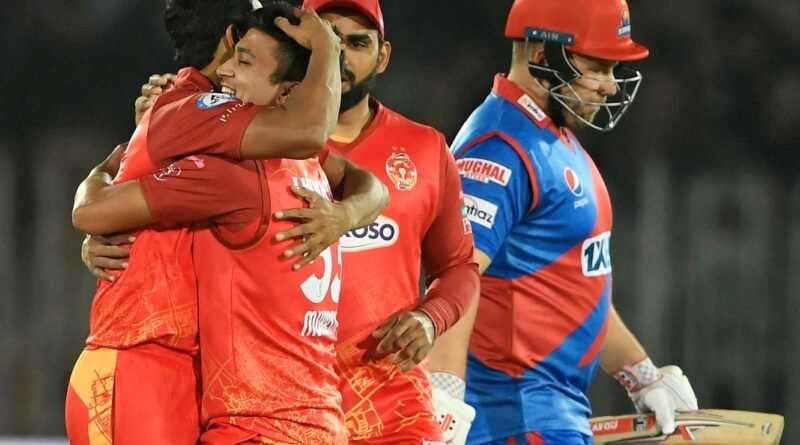
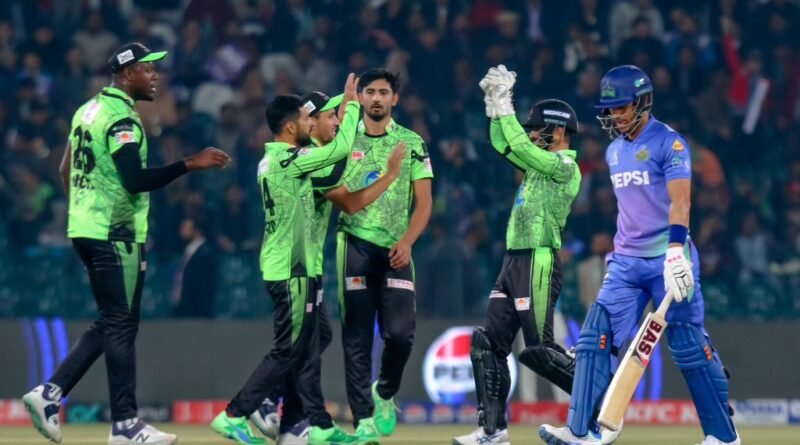
Khan, addressing this development from his confinement, issued a warning against legitimizing a government perceived to be formed through electoral manipulation. Meanwhile, the cricketing world of PSL 9 gears up for the opening match between Lahore Qalandars and Islamabad United at Lahore’s Gaddafi Stadium, preceded by a dazzling opening ceremony.

While excitement builds for the tournament, the question of Khan’s access to this cricketing spectacle remains unanswered. Will Khan find a way to watch the matches, perhaps through private arrangements or relaxed regulations?

Or will his limited access to television further amplify the sense of isolation during his incarceration? As the political and cricketing seasons unfold in parallel, this unique intersection of sport and politics sparks intrigue and raises questions about access, freedom, and the future of Pakistan’s landscape.

Also, see:

Umpires and match referees named for PSL 9

Why PCB has terminated Haris Rauf’s contract?

The Pakistan Cricket Board (PCB) has terminated Haris Rauf’s central contract following his refusal to join the Test squad for the Australia tour. This decision, effective from December 1, 2023, also bars Rauf from participating in foreign leagues until June 30, 2024.

The board took this action after deeming Rauf’s response to their personal hearing on January 30th unsatisfactory. While the PCB emphasizes “playing for Pakistan is the ultimate honour,” Rauf cited injury concerns and workload management for his refusal.

It’s worth noting that Rauf has only played one Test match throughout his career, raising questions about the severity of the punishment. Despite this, the PCB stressed that refusing a national call-up without a medical report or justifiable reason breaches the central contract.

Rauf, currently part of the Lahore Qalandars for the upcoming PSL season, boasts an impressive white-ball record with 69 ODI wickets and 90 T20I wickets. This termination highlights the PCB’s strict stance on contractual obligations, emphasizing their commitment to upholding their integrity.

However, it also raises questions about player commitment and professionalism. The PCB emphasizes the importance of national duty, but Rauf’s future in international cricket remains uncertain. They’ll likely seek replacements for upcoming fixtures.

Also, see:

Umpires and match referees named for PSL 9

Hafeez and PCB Part Ways: Reports Cite Player Discontent and Denied Meetings

Former cricketer Mohammad Hafeez’s short stint as Director Cricket for the Pakistan Cricket Board (PCB) has come to an end, according to sources close to the matter. Geo News reports indicate a mutual decision to part ways, following tensions between Hafeez and senior players, coupled with a denied meeting request with the new PCB Chairman.

Hafeez, appointed last November, boasts an impressive cricketing legacy. However, reports claim his management style and decision-making processes caused friction with players, particularly during the recent New Zealand tour. Long meetings and a perceived stern approach reportedly led to player discontent.

Adding fuel to the fire, Hafeez allegedly hesitated in issuing No Objection Certificates (NOCs) for the Bangladesh Premier League (BPL), while readily approving them for the ILT20 earlier. This inconsistency reportedly exacerbated tensions, especially considering several players rely on BPL contracts.

Sources suggest Hafeez attempted to discuss these issues with new PCB Chairman Mohsin Naqvi, but was denied a meeting. This apparent lack of communication, coupled with the existing player discontent, ultimately led to a mutual agreement to terminate his role.

While Hafeez’s vast experience and contributions to Pakistani cricket are acknowledged, questions remain about his departure’s impact on team dynamics and future PCB strategies. Unofficial reports of discord between Hafeez and PCB management further cloud the picture.

The PCB has yet to release an official statement, leaving room for speculation. Hafeez’s departure creates a vacancy in the administration, requiring a swift and transparent resolution. Moreover, it raises concerns about player relations and PCB’s communication strategies.

With tensions over management practices and NOC issuance simmering, Hafeez’s exit reflects broader issues within PCB’s leadership and team management. The road ahead demands effective communication, collaboration, and potentially a restructuring of the cricket management hierarchy.

Also, see:

UNHCR Offering New Internships in 2024 with Paid Allowances

Ditch the Clock, Focus on Your Mind: 10 Life-Changing Lessons from “Mind Management, Not Time Management”

Feeling overwhelmed by to-do lists and ever-shrinking hours? You’re not alone. But what if the secret to true productivity wasn’t about squeezing more tasks into your day, but about harnessing the power of your mind? In his groundbreaking book, “Mind Management, Not Time Management,” David Kadavy challenges traditional productivity methods, offering a fresh perspective that prioritizes mental well-being and creative energy over rigid schedules.

Ditch the Daily Grind, Embrace Hidden Patterns:

Forget the hamster wheel of a fixed routine. Kadavy encourages us to tap into the natural patterns of our environment, using them as launchpads for focused work. Recognize your peak energy times, leverage quiet corners, and embrace the unexpected disruptions that can spark new ideas.

Unlock Your “Passive Genius”:

Step away from the pressure of constant thinking. Allow your mind to wander, process information subconsciously, and surprise you with its “passive genius.” This can help overcome writer’s block and unlock creative breakthroughs.

Technology: Friend or Foe?

Technology is a powerful tool, but it can also be a major distraction. Kadavy teaches us to find the right balance, leveraging technology’s strengths while minimizing its pitfalls. Use it to enhance, not hinder, your creative flow.

Embrace the Unexpected:

Don’t let chaos derail you. Instead, view it as an opportunity for growth and fresh perspectives. Unexpected events can lead to new ideas and innovative solutions. Embrace the unknown, and you might be surprised by what you discover.

Time Travel Through Cultures:

Different cultures have unique perspectives on time, and these can offer valuable insights into our approach to productivity. Understanding and adopting alternative viewpoints can lead to greater flexibility and increased efficiency.

Mindset Matters:

The type of work you’re doing demands a specific mental state. By tagging tasks with their required mental state and experimenting with staying in that state for extended periods, you can optimize your focus and boost productivity.

Never Stop Exploring:

Curiosity is the fuel of creativity. The book encourages continuous learning and exploration to expand your creative horizons. Seek new knowledge, explore diverse ideas, and never stop asking questions.

Maximize Your Creative Energy:

“Mind Management, Not Time Management” isn’t just another productivity hack; it’s a guide to unlocking your full creative potential. By implementing its principles and strategies, you can learn to manage your mind, optimize your creative energy, and achieve remarkable results.

Ready to ditch the clock and embrace the power of your mind? This book is your roadmap to a more productive, creative, and fulfilling life.

New government to sign $10 billion deal with IMF

The Ministry of Finance is currently engaged in discussions with the International Monetary Fund (IMF) regarding a new three-year loan, with the possibility of signing an $8-10 billion program once the current one concludes.

The aim is to secure an Extended Fund Facility loan program from the IMF, and the Ministry intends to assure the IMF of fulfilling conditions under this new program. As part of the negotiations, IMF proposals for the federal budget 2024-25 are expected to be submitted subsequently, with an anticipated increase in electricity and gas prices under the proposed loan program.

Further reduction in subsidies is also expected under the new loan terms, which are likely to be more stringent than the existing arrangement. These negotiations indicate the government’s reliance on external funding for economic stability, with IMF loans being crucial for managing fiscal deficits and stabilizing the economy.

However, stringent conditions may include fiscal reforms and austerity measures, placing the government under pressure to address economic challenges and debt sustainability. Balancing fiscal consolidation with social welfare remains a key challenge, and public reaction to potential increases in utility prices and subsidy cuts is important.

Therefore, the government needs to effectively communicate the rationale behind IMF negotiations to the public, as transparency in negotiations and implementation is crucial for public trust. While IMF loans can provide short-term relief, their success is contingent on the effective implementation of reforms. Ultimately, the outcome of these negotiations will have significant implications for the economy and society, as collaboration with the IMF reflects the government’s commitment to fiscal discipline and reform.

Also, see:

Malaysia Visit Visa Fee for Pakistani Citizens: February 2024

JI Candidates Lose Seats after Vote Recount

In a significant turn of events, three candidates from the Jamaat-e-Islami (JI) party lost their seats in the general elections of 2024 following the Election Commission of Pakistan’s (ECP) decision to conduct a recount of votes. Initially declared winners, the JI candidates from PK-17, PK-20, and PK-21 constituencies faced defeat after the recount process.

The recount results favored independent candidates, with Ubaid Ur Rehman emerging victorious in PK-17, Anwar Zeb Khan securing PK-20, and Ajmal Khan clinching PK-21.

Meanwhile, the Pakistan Peoples Party (PPP) Chairman Bilawal Bhutto has ruled out the possibility of his party’s participation in a coalition government. Following a meeting of the Central Executive Committee (CEC), Bhutto stated that the PPP would vote for the prime minister candidate from the Pakistan Muslim League-Nawaz (PML-N) but would remain in the opposition. He emphasized that the PPP acknowledges its lack of mandate to form a government at the federal level.

Furthermore, Bhutto announced his decision not to put himself forward as a candidate for prime minister, citing the greater numbers held by the PML-N and independent candidates. “Due to this, I will not be putting myself forward for the candidacy of the prime minister of Pakistan,” he stated, acknowledging the political landscape and opting for a strategic approach in line with his party’s objectives.

Also, see:

Pakistan responds back to foreign entities’ statements on ‘corrupt and rigged’ General Elections 2024

PKR Recovers Slightly Against US Dollar

13th February: The Pakistani rupee (PKR) kicked off trading at 281 against the US Dollar in the interbank market, initially witnessing a bearish trend as it dipped to 281 during intraday trade. Concurrently, other market indicators like the Pakistan Stock Exchange (PSX) and public sentiment experienced significant declines.

Despite intraday losses, the PSX managed to reverse its trajectory, closing in positive territory by the end of the trading session. Meanwhile, the interbank rate fluctuated between 279 and 281 throughout the day, eventually settling at the same level at which it opened.

Across various currency counters in the open market, PKR exchange rates ranged between 279 and 281. However, the rupee managed to appreciate by 0.01 percent, closing at 279.31 against the dollar and gaining two paisas. This positive movement marked a rebound for the rupee after experiencing losses in the preceding trading session.

On a fiscal year-to-date basis, the rupee has showcased resilience, appreciating by 2.37 percent. Nonetheless, it’s important to note that the PKR has experienced considerable depreciation over the past months, witnessing a decline of nearly Rs. 60 since January 2023 and over Rs. 107 since April 2022 against the USD.

In the international arena, the IMF’s rejection of Pakistan’s rationalization and circular debt reduction measures cast doubts on the proposed plan’s effectiveness, influencing market sentiments. Despite this, the PKR demonstrated strength against most major currencies in the interbank market, remaining stable against the Saudi Riyal (SAR) and UAE Dirham (AED), while gaining ground against the Australian Dollar (AUD) and Euro (EUR). However, it experienced minor losses against the Canadian Dollar (CAD) and British Pound (GBP).

Also, see:

Malaysia Visit Visa Fee for Pakistani Citizens: February 2024

Toshakhana & Nikah Cases: Twist in First Lady’s Legal Battle

The Islamabad High Court has scheduled a hearing for Bushra Bibi’s plea seeking a transfer from Banigala to Adiala prison. Currently serving a jail term in connection to the Toshakhana and ‘un-Islamic’ Nikah cases, Bushra Bibi’s plea aims to revoke the sub-jail status assigned to Banigala. Expressing her desire to serve her sentence as an ordinary prisoner, Bushra Bibi voluntarily surrendered before the accountability court on January 31.

In the Toshakhana case, Bushra Bibi has been sentenced to 14 years in prison. An earlier plea for transfer to Adiala prison was filed on February 6. Notably, both Bushra Bibi and Prime Minister Imran Khan were handed 7-year jail terms in the ‘un-Islamic’ Nikah case on February 3, with a fine of Rs 500,000 each. The verdict was delivered by Judge Qudratullah. The upcoming hearing will address Bushra Bibi’s request for a transfer, shedding light on the legal proceedings surrounding these high-profile cases.

Also, see:

Malaysia Visit Visa Fee for Pakistani Citizens: February 2024

Motivation for Personal Growth: Discipline to Freedom 2024

In the pursuit of our goals and aspirations, discipline often emerges as a guiding force, leading us toward success and fulfillment. However, the journey from discipline to freedom is not merely about adhering to strict routines or rules; it’s about cultivating inner motivation that propels us forward. By harnessing the power of discipline and channeling it into meaningful actions, we can ultimately attain a sense of liberation and personal growth. Let’s explore how discipline serves as a catalyst for unlocking true freedom and motivation in our lives.

Establishing Routine and Structure: Discipline lays the groundwork for creating routine and structure in our daily lives. By setting clear goals, prioritizing tasks, and adhering to a consistent schedule, we instill a sense of order and purpose that forms the foundation for personal growth. Routine provides stability, reduces procrastination, and enables us to focus our energy on activities that align with our aspirations, ultimately paving the way for greater freedom and autonomy in how we choose to live our lives.

Cultivating Self-Control and Willpower: At its core, discipline is about exercising self-control and willpower in the face of challenges and temptations. By developing the ability to resist instant gratification and stay committed to our long-term objectives, we strengthen our resolve and resilience. This inner discipline empowers us to overcome obstacles, persevere through setbacks, and stay true to our values and aspirations, even when faced with adversity. As we cultivate greater self-control, we gain a sense of mastery over our actions and choices, leading to a deeper sense of freedom and agency in shaping our lives.

Fostering Growth Mindset and Continuous Learning: Discipline encourages a growth mindset, emphasizing the importance of continuous learning and improvement. By embracing challenges, seeking feedback, and being open to new experiences, we expand our horizons and unlock our full potential. Discipline enables us to adopt a proactive approach to personal and professional development, allowing us to adapt to change, embrace uncertainty, and seize opportunities for growth. Through disciplined practice and perseverance, we not only enhance our skills and capabilities but also cultivate a sense of curiosity, creativity, and adaptability that fuels our motivation to explore new possibilities and pursue our passions.

Embracing Accountability and Responsibility: Discipline fosters accountability and responsibility for our actions and choices. By taking ownership of our decisions, accepting the consequences of our behavior, and learning from our mistakes, we empower ourselves to make positive changes and progress toward our goals. Discipline encourages us to uphold high standards of integrity, ethics, and accountability, both in our personal and professional lives. By holding ourselves accountable, we cultivate trust, credibility, and self-reliance, paving the way for greater autonomy and freedom in how we navigate the world.

From discipline to freedom, the journey toward motivation and personal growth is a transformative process that requires dedication, perseverance, and self-awareness. By harnessing the power of discipline to establish routine and structure, cultivate self-control and willpower, foster a growth mindset, and embrace accountability, we unlock the key to true freedom—the freedom to pursue our passions, unleash our potential, and create the life we envision for ourselves.

UNHCR Offering New Internships in 2024 with Paid Allowances

The United Nations High Commissioner for Refugees (UNHCR) plays a crucial role in providing protection and assistance to millions of refugees worldwide. In line with its commitment to fostering talent and expertise in the field of humanitarian aid, the UNHCR is offering a unique opportunity for aspiring professionals to join its team as interns. With paid allowances and valuable hands-on experience, this internship program presents a remarkable chance for individuals passionate about making a difference in the lives of displaced populations.

Internship Overview: The UNHCR is currently seeking 17 dynamic and motivated individuals to fill internship positions in various departments and locations across the globe. These internship opportunities are open to students, recent graduates, and young professionals eager to gain practical experience in refugee protection, humanitarian operations, advocacy, communication, and other relevant fields.

Paid Allowances: One of the most enticing aspects of this internship program is the provision of paid allowances to interns. Recognizing the importance of supporting interns financially during their tenure, the UNHCR offers competitive allowances to cover living expenses, accommodation, and other related costs. This ensures that interns can fully immerse themselves in their roles and make the most of their internship experience without financial constraints.

Benefits of Interning with UNHCR:

Practical Experience: Interns have the opportunity to work alongside experienced professionals in the field of refugee protection and humanitarian assistance, gaining firsthand experience and insight into the workings of a renowned international organization.

Professional Development: Interns receive mentorship and guidance from seasoned experts, allowing them to develop valuable skills, expand their knowledge base, and enhance their employability in the humanitarian sector.

Networking Opportunities: Interning with UNHCR provides access to a vast network of professionals, policymakers, and stakeholders in the field of refugee protection and humanitarian aid, paving the way for future collaborations and career opportunities.

Impactful Work: Interns contribute to meaningful projects and initiatives aimed at improving the lives of refugees and displaced persons around the world, making a tangible difference in the lives of some of the most vulnerable populations.

Application Process: Individuals interested in applying for the UNHCR internship program are encouraged to visit the organization’s official website or contact the relevant UNHCR office for detailed information on available positions, eligibility criteria, and application deadlines. Applicants are typically required to submit a resume/CV, cover letter, and any additional documents specified in the internship vacancy announcement.

The UNHCR internship program offers a unique opportunity for individuals passionate about humanitarian work to gain valuable experience, receive financial support through paid allowances, and contribute to the organization’s mission of protecting and assisting refugees worldwide. With 17 internship positions available in 2024, aspiring humanitarian professionals are encouraged to seize this opportunity to embark on a rewarding journey of learning, growth, and impact with the UNHCR.

Umpires and match referees named for PSL 9

The excitement for the highly anticipated HBL Pakistan Super League 9 just heated up with the Pakistan Cricket Board (PCB) unveiling the official match officials. With the tournament kicking off on February 17th and running until March 18th across four vibrant venues, a stellar team of umpires and match referees will ensure fair play and a thrilling cricketing experience.

The tournament schedule sees Lahore and Multan hosting the initial set of 14 matches from February 17th to 27th. The action then shifts to Karachi and Rawalpindi, where 16 matches will be played between February 28th and March 12th. Match officials for the crucial Qualifier, Eliminators, and Final, scheduled for March 14th to 18th in Karachi, will be announced closer to the date.

Adding gravitas to the matches are four renowned umpires from the ICC Elite Panel: Richard Illingworth, Chris Gaffaney, Ahsan Raza, and Michael Gough. They will be joined by an accomplished group of local umpires including Abdul Moqeet, Aleem Dar, Tariq Rasheed, Shozab Raza, Rashid Riaz, Faisal Afridi, and Muhammad Asif. International experience further enriches the panel with Ruchira Palliyaguruge from Sri Lanka, Asif Yaqoob from Pakistan (now residing in the UAE), Alex Wharf from England, and Nasir Hussain from Pakistan (now residing in the USA).

Among the highlights, New Zealand’s Chris Gaffaney makes his HBL PSL debut, taking charge of the much-anticipated clash between Multan Sultans and Karachi Kings on February 18th. Guiding the fair play through the tournament is a distinguished team of match referees led by the experienced Roshan Mahanama, ably supported by Ali Naqvi and Muhammad Javed. Mahanama, a former member of the ICC Elite Panel, boasts extensive experience with 97 HBL PSL matches under his belt.

The tournament kicks off with a bang on February 17th at the Lahore Qalandars’ home ground, with the iconic Aleem Dar and Michael Gough presiding over the exciting encounter between Lahore Qalandars and Islamabad United. Joining them will be Tariq Rasheed as the TV umpire, Shozab Raza as the reserve umpire, and Muhammad Javed as the match referee.

With the announcement of these distinguished match officials, the anticipation for HBL PSL 9 reaches a fever pitch. Cricket fans can now look forward to a tournament filled with fair play, exciting rivalries, and top-notch cricketing action, expertly overseen by a team of renowned professionals. Be sure to mark your calendars, because the HBL PSL 9 promises to be an unforgettable spectacle!

Erin Holland named among PSL 9 presenters

Image via PSL

Erin Holland, the beloved cricket presenter, is poised to make a triumphant return to the Pakistan Super League stage as a presenter for the PSL 9 season. This announcement marks a significant turnaround for Holland, who was notably absent from the presenter lineup during PSL 6, much to her disappointment. Despite her absence in the previous season, Holland boasts an impressive history with the PSL, having been a fixture in the tournament for five out of its six seasons.

Her absence in PSL 6 didn’t go unnoticed, as she took to social media back in 2021 to express her disappointment, stating, “Very disappointed not to be involved this year.” However, she graciously extended her best wishes to the tournament and its participants, expressing hope for a return in the following year. Her optimism has proven well-founded, as she’s now set to reclaim her spot in the limelight for PSL 7 and 8, alongside fellow presenter Zainab Abbas.

Meanwhile, in the realm of commentary, fans can look forward to the debut of former Australian cricket captain Michael Clarke in the HBL PSL commentary team. Clarke, known for his insightful analysis and charismatic persona, brings a wealth of experience to the broadcaster’s booth following his retirement from professional cricket.

Joining Clarke are seasoned commentators Ian Bishop, Danny Morrison, Simon Doull, Pommie Mbangwa, Mark Butcher, Dominic Cork, and Mike Haysman, each bringing their unique perspective and expertise to the commentary panel. Notably, Bishop returns for his second stint after the 2017 season, while familiar names like Morrison and Doull continue to entertain and inform audiences with their commentary.

The Pakistani contingent of commentators includes cricketing legends such as Ramiz Raja, Waqar Younis, Bazid Khan, Aamir Sohail, as well as respected female voices Urooj Mumtaz, Sana Mir, and Marina Iqbal. Additionally, Urdu-speaking audiences will be treated to the insights of Tariq Saeed and Ali Younis.

Behind the scenes, production standards remain top-notch, with 30 HD cameras capturing every moment of the action. The Spidercam, equipped with microphone and speaker enhancements for player interviews, promises immersive coverage, while DRS technology ensures fair play throughout the tournament. Furthermore, drone cameras enhance streaming quality, providing viewers with breathtaking aerial views of the matches.

Augmented reality graphics and player video headshots add a dynamic element to on-screen graphics, enhancing the viewer experience. With such a stellar lineup of presenters, commentators, and cutting-edge technology, PSL 9 promises to be a thrilling spectacle for cricket fans around the world.

Also, see:

Malaysia Visit Visa Fee for Pakistani Citizens: February 2024

Coalition Talks: PML-N Offers Presidency, Key Roles to PPP

In a bid to secure support for government formation in both the center and Punjab, the Pakistan Muslim League-Nawaz (PML-N) has reportedly extended an offer to the Pakistan Peoples Party (PPP), proposing significant constitutional positions. Following the absence of a simple majority for any party in the February 8 elections, discussions between PML-N and PPP leadership have intensified.

PML-N’s proposal entails offering key roles, including the presidency, speakership of the National Assembly, and chairmanship of the Senate, to PPP. Furthermore, PML-N has suggested granting the chief ministership of Balochistan to PPP, alongside the offer of the position of deputy chief minister or senior minister in Punjab.

Negotiations between the two parties are currently underway, with plans for further deliberations following consultations with their respective Central Executive Committees (CECs). Former Sindh chief minister Murad Ali Shah emphasized that the PPP’s decision to form an alliance for government formation in the center would ultimately be determined by the CEC’s consensus.

As both Asif Ali Zardari and Bilawal Bhutto seek the input of the CEC, final decisions regarding potential alliances will be contingent upon the collective stance of the party’s leadership. The unfolding negotiations between PML-N and PPP hold significant implications for the political landscape, shaping the future trajectory of governance in Pakistan.

Also, see:

PML-N’s Nawaz Sharif Triumphs Over PTI-Backed Dr. Yasmin Rashid

Boosting Tourism: Malaysia’s Ambitious Plans Unveiled

Tourism Malaysia is setting its sights high for 2024, with a target of 27.3 million foreign tourist arrivals, driven by a multitude of factors. The confidence in achieving this ambitious goal stems from various government initiatives, including charter flight matching grants and a visa liberalization program.

These incentives have already shown promise, as evidenced by last year’s tourist arrivals surpassing expectations, with over 20 million visitors flocking to Malaysia. The focus now lies on further boosting arrivals through the encouragement of more charter flights, aiming to establish new routes and increase flight frequency.

Ammar Abd Ghapar, Director-General of Tourism Malaysia, underscored the significance of the charter flight matching grant in reaching these targets. His remarks came following the inaugural Malaysia Airlines flight from Shenyang, China, where Tourism Minister Tiong King Sing was also in attendance.

One of the standout initiatives contributing to this optimistic outlook is the visa-free plan for Chinese travelers, implemented since December 1, 2023. This move has sparked considerable interest and resulted in a surge of bookings from China, as evidenced by a notable 53.9% increase in inbound travel to Malaysia from China during the Chinese New Year compared to the previous year, according to Trip.com.

Tourism Malaysia has set a specific target of approximately 200,000 tourist arrivals from China per month, reflecting the strategic importance of the Chinese market in achieving overall tourism goals. These recent developments signal positive momentum and bode well for the future of Malaysia’s tourism industry, promising robust growth and strong prospects in the coming year. With concerted efforts and effective policies in place, Malaysia aims to solidify its position as a premier tourist destination on the global stage.

Also, see:

Malaysia Visit Visa Fee for Pakistani Citizens: February 2024

Friendships as a Remote Worker: Build Connections in 2024

Remote work offers unparalleled flexibility and freedom, but it can also pose challenges when it comes to cultivating friendships. Without the traditional office environment to facilitate social interactions, remote workers may find themselves feeling isolated or disconnected. However, with the right approach and mindset, it’s entirely possible to forge meaningful friendships while working remotely. Here are some valuable tips for remote workers seeking to expand their social circles and build lasting connections.

Join Virtual Communities: In the digital age, there’s no shortage of online communities and forums catering to virtually every interest and hobby. Whether you’re passionate about photography, coding, cooking, or fitness, there’s likely a virtual community where like-minded individuals gather to connect and share their experiences. Joining these communities can provide an excellent opportunity to meet new people, exchange ideas, and form friendships based on common interests.

Participate in Remote Work Events: Many remote work platforms and organizations host virtual events, webinars, and workshops designed to bring remote professionals together. These events cover a wide range of topics, from productivity and personal development to industry-specific discussions. By actively participating in these events, you not only expand your professional network but also have the chance to interact with fellow remote workers on a more personal level, potentially leading to genuine friendships.

Utilize Social Media: Social media platforms such as LinkedIn, Twitter, and Facebook can be valuable tools for remote workers looking to connect with others in their field or industry. Joining relevant groups and engaging in conversations related to your professional interests can help you establish connections with like-minded individuals. Additionally, platforms like Meetup allow users to discover and attend virtual or in-person meetups and events based on their interests and location, offering another avenue for expanding your social circle.

Attend Cowering Spaces or Cafés: While remote work provides the freedom to work from anywhere, sometimes a change of scenery can do wonders for your productivity and social life. Consider working from a cowering space or café occasionally, where you can interact with other remote workers and professionals in a shared environment. Strike up conversations with fellow patrons, attend networking events hosted by the space, and take advantage of opportunities to connect with others in person.

Be Proactive and Open-Minded: Building friendships as a remote worker requires initiative and an open-minded approach. Don’t hesitate to reach out to colleagues, acquaintances, or individuals you admire professionally to initiate conversations or suggest virtual coffee meetings. Be genuine, authentic, and willing to invest time and effort into cultivating meaningful connections. Remember that friendship is a two-way street, so be receptive to others’ efforts to engage and connect with you.

While remote work may present unique challenges when it comes to making friends, it also offers a wealth of opportunities for building diverse and enriching relationships. By actively seeking out virtual communities, participating in remote work events, leveraging social media, exploring cowering spaces, and maintaining a proactive and open-minded attitude, remote workers can successfully navigate the path to forming meaningful connections in both their personal and professional lives.

Ramadan Preparations at Medina Masjid in Saudi Arabia: 2024

Ramadan, the holiest month in the Islamic calendar, is eagerly awaited by Muslims worldwide, including those in Saudi Arabia. As the blessed month approaches, mosques, known as “Masjid” in Arabic, in Saudi Arabia undertake extensive preparations to welcome worshippers and facilitate spiritual activities. Let’s delve into the meticulous preparations made at mosques across Saudi Arabia in anticipation of Ramadan.

Pre-Ramadan Clean-Up: In the weeks leading up to Ramadan, mosques in Saudi Arabia undergo thorough cleaning and maintenance. This includes sweeping and mopping floors, dusting surfaces, polishing fixtures, and ensuring proper sanitation in ablution areas. The aim is to create a serene and welcoming environment conducive to worship and reflection.

Decorations and Illuminations: Mosques are adorned with colorful decorations and intricate lighting arrangements to mark the arrival of Ramadan. Intricately designed banners, calligraphy depicting verses from the Quran, and vibrant lights create a festive atmosphere, enhancing the spiritual ambiance of the mosques.

Iftar and Suhoor Arrangements: Mosques in Saudi Arabia make special arrangements for Iftar (breaking of the fast) and Suhoor (pre-dawn meal) to cater to worshippers. Large tents or designated areas within the mosque premises are set up to accommodate congregants for communal Iftar meals. Volunteers and charitable organizations distribute dates, water, and other refreshments to fasting individuals as they break their fast.

Additionally, mosques organize Suhoor gatherings, providing worshippers with a nourishing meal before the start of the fast. These Suhoor arrangements foster a sense of community and solidarity among worshippers during the predawn hours of Ramadan.

Taraweeh Prayers: One of the highlights of Ramadan is the performance of Taraweeh prayers, which are conducted every night throughout the month. Mosques in Saudi Arabia meticulously organize Taraweeh prayers, allocating designated prayer spaces and arranging for skilled Quran reciters to lead congregants in prolonged and melodious recitations of the Quran.

Security and Crowd Management: With large congregations expected during Ramadan, mosques in Saudi Arabia prioritize security and crowd management measures. Trained security personnel are deployed to ensure the safety and well-being of worshippers, manage traffic flow, and enforce COVID-19 protocols, if applicable. Crowd control measures are implemented to prevent overcrowding and maintain a peaceful prayer environment.

Community Outreach and Charitable Initiatives: Mosques actively engage in community outreach and charitable initiatives during Ramadan. They collaborate with local charities to provide assistance to the less fortunate, distribute food parcels, and organize philanthropic activities aimed at alleviating the hardships faced by vulnerable segments of society.

As Ramadan draws near, mosques in Saudi Arabia spare no effort in preparing to welcome worshippers and facilitate spiritual activities. From meticulous cleaning and decorative arrangements to communal Iftar gatherings and Taraweeh prayers, mosques play a central role in fostering a sense of unity, devotion, and compassion among Muslims during this blessed month.

Malaysia Visit Visa Fee for Pakistani Citizens: February 2024

Malaysia, renowned for its diverse culture, stunning landscapes, and vibrant cities, attracts tourists from around the globe. For Pakistani citizens wishing to explore Malaysia’s beauty, understanding the visa requirements and associated fees is crucial. As of February 2024, here’s an updated guide to the Malaysia visit visa fee for Pakistani nationals.

Visa Types and Fee Structure: For Pakistani citizens, Malaysia offers different types of visas depending on the purpose of the visit. The fees may vary based on the visa category and duration of stay. As of February 2024, the following are the common visit visa types and their associated fees:

  1. Single Entry Visa:
    • Valid for a single entry into Malaysia.
    • Fee: The visa fee for a single entry visit visa typically ranges from PKR 5,000 to PKR 7,000 for Pakistani citizens. However, the exact fee may vary and should be confirmed with the Malaysian embassy or consulate.
  2. Multiple Entry Visa:
    • Allows multiple entries into Malaysia within the visa validity period.
    • Fee: The fee for a multiple entry visit visa can range from PKR 10,000 to PKR 15,000. This fee may also vary based on the duration of validity and other factors.
  3. E-Visa:
    • An electronic visa option for eligible travelers.
    • Fee: The e-visa fee may differ from traditional visa fees and is typically paid online during the application process. Pakistani citizens should check the official Malaysian e-visa portal for the latest fee information.

It’s essential to note that visa fees are subject to change, and applicants should verify the current fees with the Malaysian embassy or consulate before applying.

Application Process: Pakistani citizens can apply for a Malaysia visit visa through the Malaysian embassy or consulate in Pakistan. The application process usually involves submitting the required documents, completing the visa application form, and paying the visa fee.

Documents typically required for a Malaysia visit visa application include a valid passport, passport-sized photographs, proof of sufficient funds for the duration of stay, travel itinerary, accommodation details, and any other supporting documents as per the visa category.

Applicants may also need to undergo a visa interview or provide biometric data as part of the application process.

How to Apply:

Applicants can go to the Malaysian Immigration Department’s official website. Here, you must select the “I am New Apply” button and provide your information, including name, nationality, address, and passport number.

Pakistani nationals can apply online for Malaysian eVisas, which are typically processed and returned in one to three business days.

Travelers from Pakistan may stay in Malaysia for up to 30 days at any time throughout those six months after receiving their eVisa.

How to get Free and what is the Cost:

Visa fee refers to the visa fees payable to the Government of Malaysia, which will be accepted and collected by MYVISA at the rate prescribed by the Fees (Passport and Visas) Order 1967.

The fee for eVisa for tourists is 20 Malaysian Ringgit. As of February 10, one Ringgit is equal to Rs58.02 so the fee for the electronic single entry visa is Rs1,160.

The applicants will pay the visa processing fee that stands at 105 Ringgit, in addition to the services charges.

Applicants can paying the eVisa processing fee with a valid debit or credit card.

Before planning a trip to Malaysia, Pakistani citizens should familiarize themselves with the latest visa requirements and fees. Understanding the visa application process and associated costs can help ensure a smooth and hassle-free travel experience. It’s advisable to consult the Malaysian embassy or consulate for the most up-to-date information regarding visa fees, requirements, and application procedures.

Pakistan responds back to foreign entities’ statements on ‘corrupt and rigged’ General Elections 2024

In the aftermath of Pakistan’s general elections held on February 8, 2024, the Ministry of Foreign Affairs (MoFA) has issued a robust response to criticisms from the United States, United Kingdom, and European Union regarding the electoral process. Expressing surprise at the negative tone of some statements, MoFA emphasized the complexity of the electoral process while highlighting the enthusiastic participation of millions of Pakistanis exercising their right to vote.

Critics have been quick to point out alleged irregularities, including a nationwide internet shutdown and delayed election results. MoFA clarified that only mobile services were suspended for security reasons and dismissed concerns about the transparency of the process. Despite delays in announcing results, the Pakistan Tehreek-e-Insaf (PTI) is reported as leading in the National Assembly, sparking speculation of deliberate delays to favor other parties.

Amid accusations of rigging and unfairness, concerns about corruption have been raised by both foreign and domestic media outlets. Foreign media’s portrayal of Pakistan’s electoral system as corrupt has drawn attention to issues of transparency and fairness. The delay in announcing results has fueled suspicions of manipulation to benefit parties like the Pakistan Muslim League-Nawaz (PMLN) and Pakistan Peoples Party (PPP).

Transparency and fairness in the electoral process are now under intense scrutiny, with persistent concerns about the integrity of Pakistan’s democratic institutions both domestically and internationally. Despite these challenges, Pakistan reiterates its commitment to democracy and stability, pledging to continue working towards a vibrant democratic society driven by the aspirations of its people.

As the nation navigates through the aftermath of the elections, the importance of free and fair elections in Pakistan’s democratic journey has been underscored, emphasizing the need for reforms to address concerns and uphold the principles of democracy.

Also, see:

General Elections 2024 Becomes ‘Most Expensive’ in Pakistan’s History

Four Dead in Haldwani Clashes After Mosque Demolition

Four fatalities have been reported in the aftermath of violent clashes following the demolition of a mosque in Uttarakhand’s Haldwani during an “anti-encroachment drive” targeting illegal constructions, including the mosque and a madrassa.

Tensions escalated as Muslims alleged unfair targeting, while authorities cited illegal construction on government land as the reason behind the demolitions. Hundreds have been injured as clashes intensified between protesters and police, with videos depicting scenes of protesters setting vehicles ablaze and police resorting to tear gas to disperse the crowds.

The incident occurred in the Banbhoolpura area, which was previously the site of eviction protests last year. The demolitions were based on a high court order to clear illegal settlements, with the district magistrate asserting that the mosque and madrassa were unauthorized structures. However, locals claim that the mosque was demolished before a final court decision, an allegation denied by the administration.

The situation has led to a curfew being imposed, with “shoot at sight” orders issued to restore order. In response to the unrest, authorities have imposed an internet shutdown and ordered the closure of schools in the affected area. Thousands of police personnel have been deployed to maintain peace amid heightened tensions.

The violence underscores deepening divisions over religious and legal issues, with Uttarakhand’s recent passage of a Uniform Civil Code (UCC) adding fuel to the fire. Muslim groups have accused the government of religious polarization and rejected the UCC, criticizing it for interfering with personal laws. The incident has sparked a broader debate over religious freedoms and government policies in India, highlighting the complex and sensitive nature of the issue.

Also, see:

General Elections 2024 Becomes ‘Most Expensive’ in Pakistan’s History