

Pakistan and South Asia Brace for Energy Crisis After Iran Strikes Qatar LNG Hub
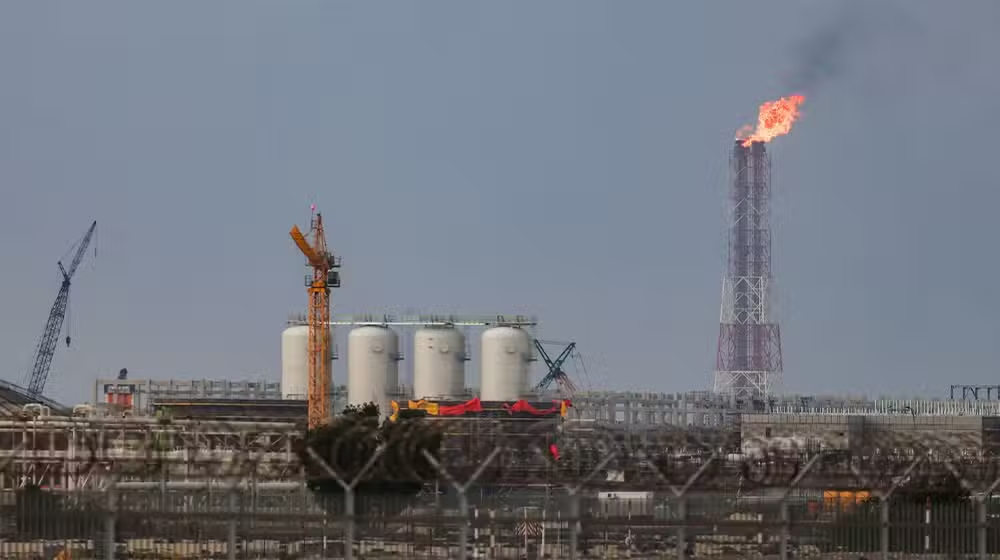
South Asian countries, including Pakistan and India, are facing the threat of a severe gas and power crisis following air strikes by Iran on Qatar’s Ras Laffan Industrial City, the world’s largest liquefied natural gas export hub. The facility is a key supplier of LNG to the region, including nearly all of Pakistan’s imports.
Pakistan relies on Qatar for approximately 99 percent of its LNG supply. Damage to the Ras Laffan hub could lead to significant interruptions in imports, potentially forcing Islamabad to implement stricter fuel austerity measures in the coming weeks if cargo deliveries are suspended for more than two weeks. Power generation and industrial operations across the country may face serious disruptions.
The attacks are reportedly a retaliatory response by Iran to recent strikes by Israel and the United States on its South Pars gas field, one of the world’s largest natural gas reserves, which generates nearly 80 percent of Iran’s electricity. The escalation underscores the vulnerability of global energy supply chains to geopolitical tensions.
Experts warn that South Asia’s energy security is highly exposed to international conflicts, particularly given the region’s dependence on imported LNG for power and industrial use. Any prolonged disruption at Ras Laffan could increase electricity shortages, drive up energy costs, and worsen inflationary pressures in affected countries.
Pakistan and India are closely monitoring the situation, with authorities evaluating alternative LNG suppliers and emergency measures to mitigate potential shortages. Analysts note that even a short-term disruption in Qatar’s LNG exports could have cascading effects on power generation, industrial production, and household energy availability.
The incident highlights the growing interdependence of energy markets and the risks posed by regional conflicts. Governments in South Asia may now need to accelerate diversification of energy imports, strengthen strategic reserves, and enhance contingency planning to reduce reliance on single-source suppliers.