


Ex-Finance Minister Highlights Why Diesel Prices Remain High in Pakistan
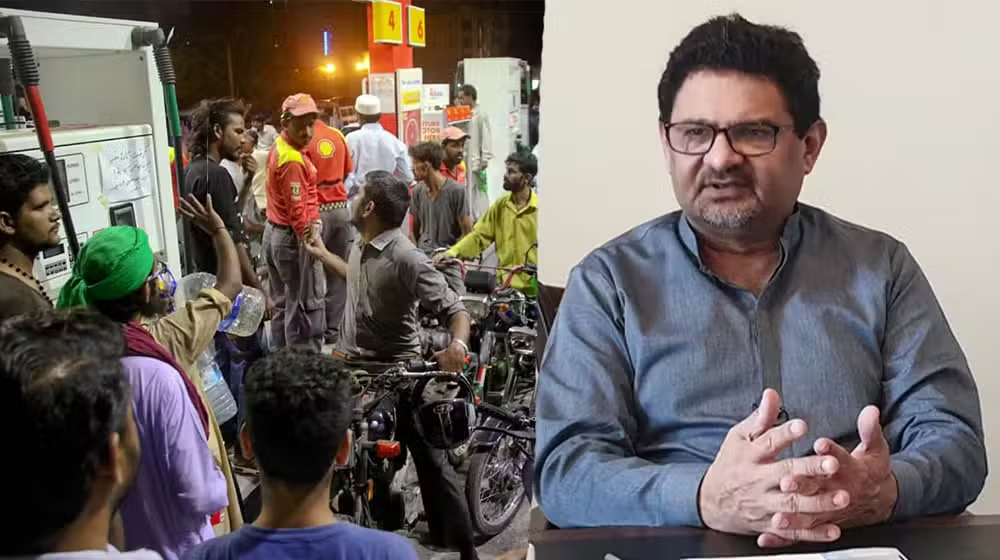
Miftah Ismail has revealed that Pakistanis are paying inflated diesel prices due to flaws in the country’s pricing mechanism. Speaking on Tuesday, he explained that the system set by the government and the Oil and Gas Regulatory Authority (OGRA) is a key factor behind the ongoing overcharging.
According to Ismail, Pakistan produces approximately 75 percent of its diesel domestically, relying on imports for only the remaining portion. However, OGRA determines domestic diesel prices based on the cost of imported diesel rather than local production. Since imported diesel is usually more expensive, this practice automatically drives up prices for consumers.
The former minister noted that refineries earn a small additional profit under this pricing system. Originally, this margin was intended to encourage refineries to upgrade machinery and produce low-sulfur diesel, improving quality and environmental standards.
However, global market disruptions, including the ongoing tensions surrounding the Iran conflict, have widened the price gap between low-sulfur diesel traded in Singapore and crude oil costs. This has further contributed to higher diesel prices domestically, adding financial pressure on consumers and businesses alike.
Ismail’s explanation sheds light on systemic inefficiencies in Pakistan’s fuel pricing framework. By linking local prices to imported diesel costs, the current mechanism overlooks the lower production cost of domestic fuel, ultimately leading to overpricing for end-users.
The revelation has sparked calls for regulatory reforms to ensure diesel prices reflect local production costs more accurately. Analysts suggest that adjusting the pricing formula could lower the burden on households and improve transparency in the energy sector.