





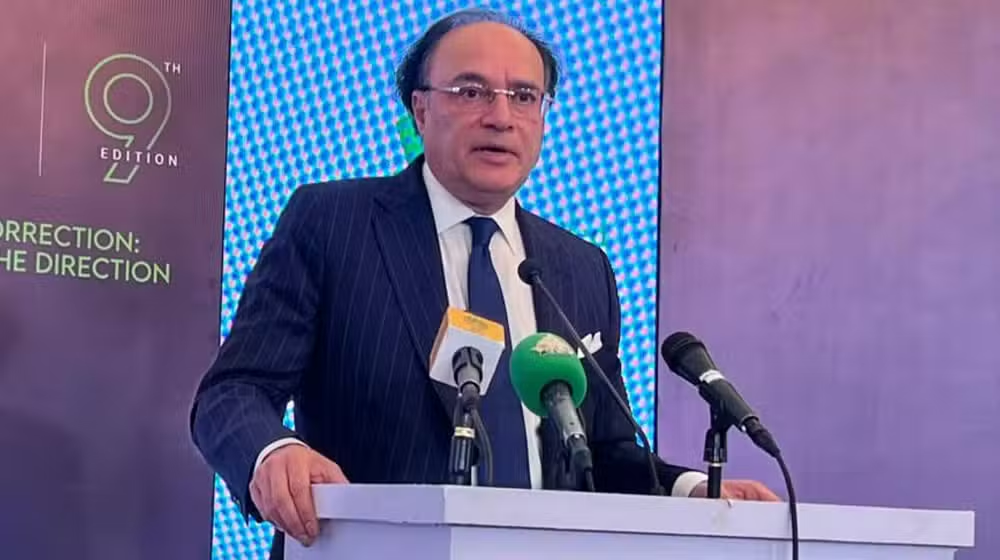
Finance Minister Signals Pakistan’s Move Toward a Regulated Crypto Framework
Pakistan is steadily moving closer to adopting a regulated digital asset ecosystem, signaling a major policy shift in how the country views cryptocurrencies and virtual assets. The federal government aims to bring growing crypto-related activity into a structured, transparent, and secure financial framework that aligns with global best practices.
The initiative reflects rising interest among Pakistani users and investors in digital currencies, despite the absence of a clear regulatory structure in the past. Authorities now appear focused on balancing innovation with safeguards that protect consumers and the broader financial system.
Federal Minister for Finance and Revenue Muhammad Aurangzeb recently held a high-level meeting with a delegation from Icoin Technology Inc. The delegation was led by Chairman and Chief Executive Officer Chet Silvestri, and discussions centered on Pakistan’s evolving digital asset policy and long-term vision for crypto regulation.
During the meeting, the finance minister outlined the government’s ongoing efforts to develop formal institutions dedicated to overseeing the digital asset space. These include plans for a Pakistan Crypto Council and a Pakistan Virtual Assets Regulatory Authority, both of which are intended to play a central role in shaping and enforcing policy.
According to officials, these proposed bodies would help create a rules-based environment for cryptocurrencies and blockchain-related technologies. Their mandate would likely cover licensing, compliance, risk management, and oversight, while ensuring alignment with international anti-money laundering and counter-terror financing standards.
A regulated framework is also expected to improve financial inclusion by providing legitimate pathways for innovation. Supporters of the policy argue that clear regulations could attract foreign investment, encourage responsible startups, and allow fintech companies to operate with greater confidence in Pakistan’s market.
Consumer protection remains a key focus of the government’s approach. By bringing crypto activity under regulatory supervision, authorities aim to reduce fraud, market manipulation, and uncertainty for individual users. Transparency and accountability are being positioned as core pillars of the proposed system.
While no formal timeline has been announced, the engagement with international technology firms suggests that groundwork is actively underway. The government’s messaging indicates a shift from caution toward structured adoption, reflecting broader global trends where countries are moving to regulate rather than ban digital assets.
If implemented effectively, Pakistan’s regulated crypto ecosystem could mark a significant step toward modernizing its financial sector. It would also place the country among emerging markets seeking to harness digital finance while maintaining economic stability and regulatory oversight.