




Somalia Cancels All Agreements With UAE Over Alleged Interference in Sovereignty
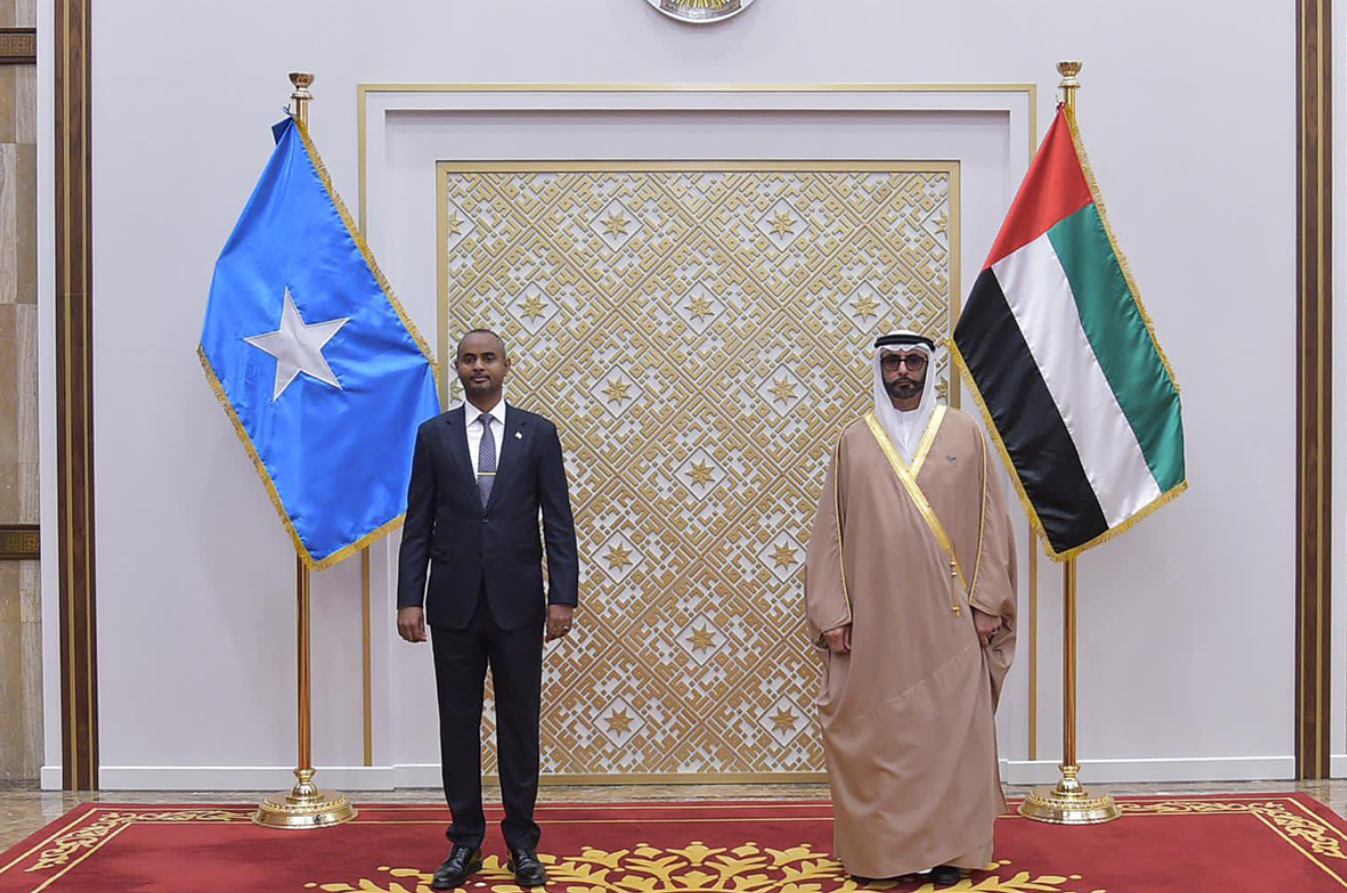
Somalia has taken a major diplomatic step by cancelling all existing agreements with the United Arab Emirates, citing alleged interference that it says threatens the country’s unity, sovereignty and territorial integrity. The decision was approved by Somalia’s cabinet and has been reported widely across Arab media, marking a sharp escalation in tensions between the two countries.
According to official statements, the Somali government accused the UAE of engaging in activities that undermine Somalia as an independent and sovereign state. Authorities argued that such actions violate established international norms, which require countries to respect the sovereignty and internal affairs of other nations.
Government officials in Mogadishu claimed they possess concrete evidence to support allegations of UAE involvement in activities deemed harmful to Somalia’s national interests. While specific details of the evidence were not made public, the cabinet maintained that the findings were serious enough to warrant a complete termination of bilateral agreements.
As part of the decision, Somalia has formally ended all security and defense cooperation arrangements with the UAE. These agreements had previously played a role in regional security coordination, making their cancellation a significant shift in Somalia’s foreign and defense policy posture.
In addition to security-related ties, Somalia has also scrapped contracts connected to three key Somali ports. Officials said the port agreements were included in the broader review of relations and were cancelled to prevent any further external influence over strategic national assets.
The move signals a firm stance by the Somali government as it seeks to assert greater control over its political and economic affairs. Analysts note that port management and security partnerships are particularly sensitive issues in the Horn of Africa, where regional competition and foreign involvement have long influenced local dynamics.
The UAE has been an active player in the region, investing in infrastructure and security initiatives across several African states. Somalia’s decision, however, reflects growing unease within parts of the Somali leadership over foreign involvement that is perceived to bypass federal authority or deepen internal divisions.
So far, there has been no immediate official response from the UAE to the cabinet’s announcement. Diplomatic observers expect the decision to prompt further dialogue or regional mediation efforts, given the broader implications for Red Sea and Gulf of Aden security.
The cancellation of all agreements underscores Somalia’s intent to reframe its international partnerships on terms it considers fully aligned with national sovereignty. It also highlights the increasingly complex nature of regional alliances, where economic investment, security cooperation and political influence are closely intertwined.
As the situation develops, regional stakeholders will be watching closely to see how the diplomatic rift impacts trade, security coordination and broader geopolitical alignments in the Horn of Africa and the Gulf region.