


Sri Lanka Faces Renewed Economic Pressure Amid Energy Crisis and Cyclone Fallout
Sri Lanka is once again navigating a fragile economic situation as global energy disruptions and the aftermath of a devastating cyclone strain its recovery efforts. The country, still recovering from its 2022 financial collapse, is now facing renewed pressure that is testing both public resilience and government policy.
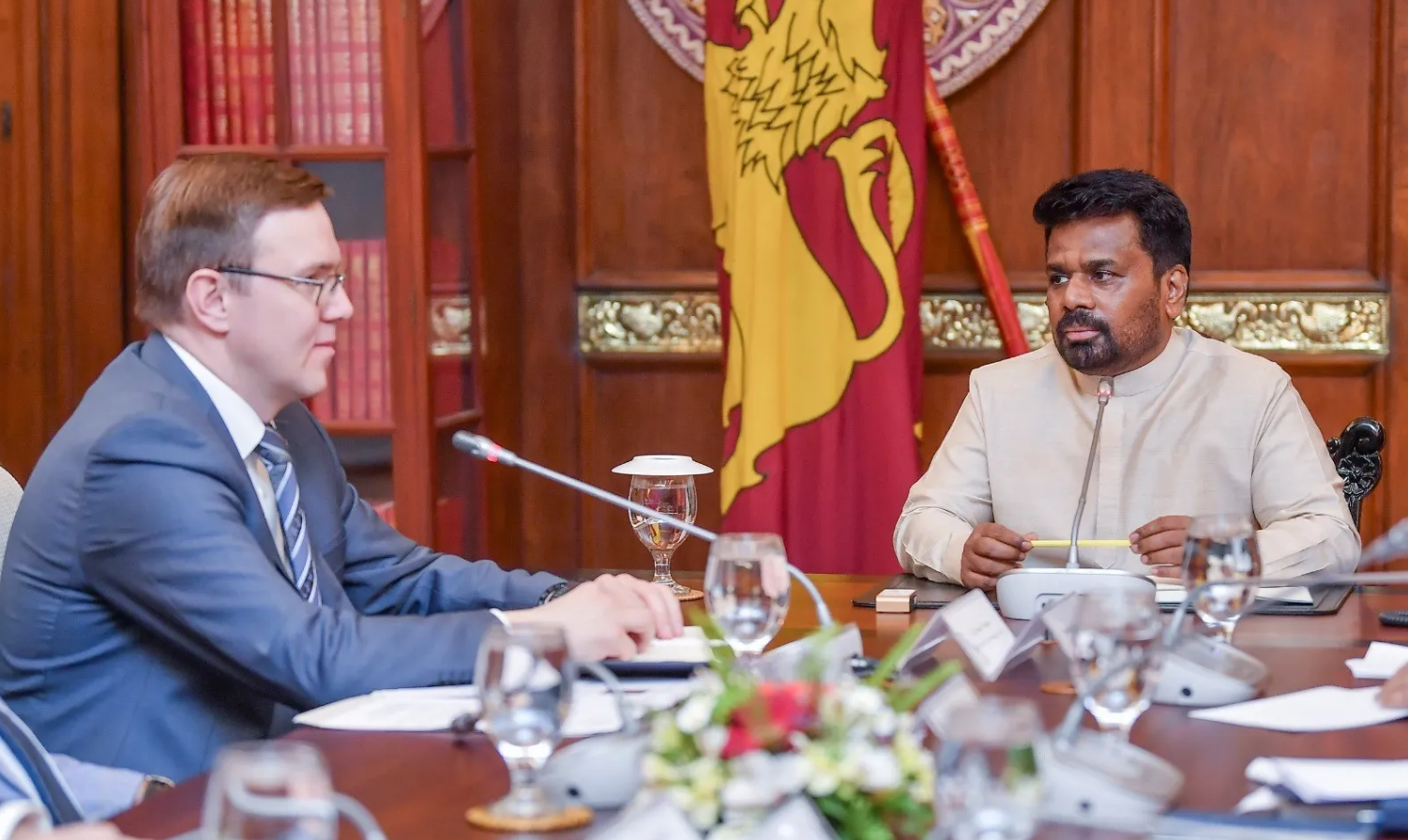
President Anura Kumara Dissanayake has introduced a series of emergency measures to manage the crisis. Fuel has been rationed, prices have increased by nearly one-third, and electricity costs have surged by up to 40 percent. These steps come as rising global energy prices, fueled by prolonged conflict in the Middle East, continue to impact import-dependent economies like Sri Lanka.
The situation has triggered public anxiety, with panic buying of fuel reviving memories of the 2022 economic collapse. At that time, inflation soared to 70 percent following a default on $46 billion in external debt, leading to widespread protests that forced then-president Gotabaya Rajapaksa to step down.
Despite current economic stress, large-scale protests have yet to re-emerge. Political observers suggest that the government’s strong electoral mandate, secured in late 2024, is temporarily containing public unrest. However, opposition groups, including the Frontline Socialist Party, warn that mounting economic pressure could eventually lead to political consequences.
On the ground, public sentiment remains divided. Some citizens express frustration, feeling that conditions are worsening despite hopes for recovery. Others acknowledge the challenges but believe stability requires patience rather than protest.
Complicating the crisis further is the impact of Cyclone Ditwah, one of the deadliest disasters in the country’s recent history. The cyclone killed over 600 people and caused an estimated $4.1 billion in damage, severely affecting infrastructure and livelihoods across Sri Lanka.
In response, the government has allocated significant funds for reconstruction and relief efforts. Plans include rebuilding critical infrastructure and providing financial assistance to affected communities. Additionally, Sri Lanka has secured emergency funding from the International Monetary Fund, with further financial support under review.
However, concerns are also being raised over civil liberties. The state of emergency imposed after the cyclone grants authorities broad powers, which rights groups fear could be used to suppress dissent if public frustration escalates.
As Sri Lanka balances recovery, economic reform, and disaster response, the coming months will be crucial. The country’s ability to manage inflation, maintain public trust, and secure international support will determine whether it can avoid slipping back into a full-scale crisis.