


US Introduces New Security Checks for H-1B and H-4 Visas
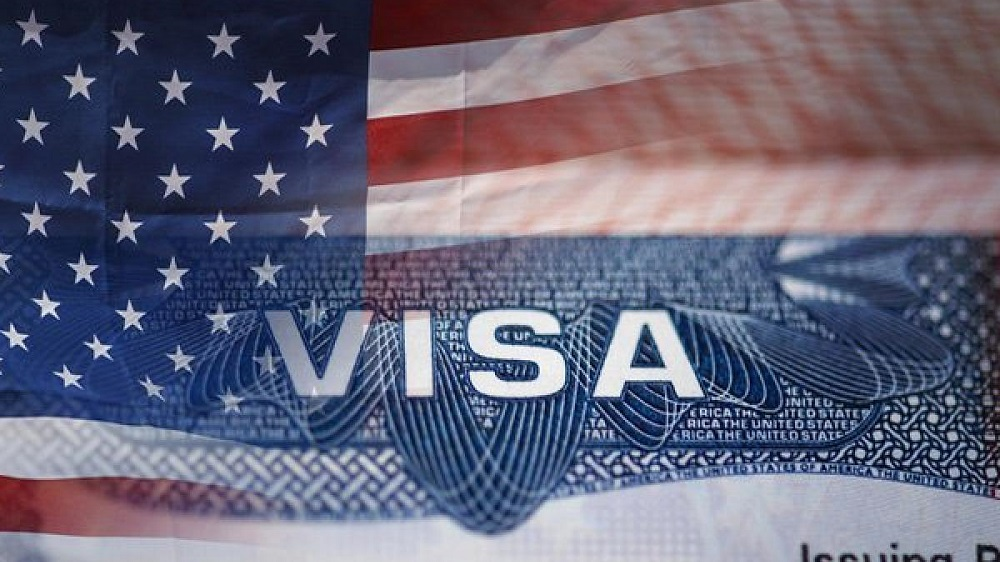
The United States has introduced expanded security screening measures for H-1B work visa applicants and their H-4 dependents, significantly widening the scope of background checks for skilled foreign workers and their families.
According to the US State Department, the new policy came into effect on Monday, December 15. Under the updated rules, visa officers will now review applicants’ social media activity as part of the vetting process. Previously, such checks were largely limited to student and exchange visitor visas under the F, M, and J categories.
The decision reflects Washington’s broader push to tighten immigration screening procedures and ensure that all visa applicants are thoroughly vetted before entering the country. Officials say the expanded checks are designed to verify applicant identities, assess potential security risks, and confirm the accuracy of information provided during the visa application process.
For many professionals, the H-1B visa serves as a primary pathway to work in the United States, particularly in sectors such as technology, engineering, healthcare, and finance. The H-4 visa allows spouses and dependent children of H-1B holders to accompany them, making the new policy relevant to thousands of families.
Following the implementation of the expanded screening, several US consulates have reportedly postponed scheduled H-1B and H-4 visa interviews. Applicants have been informed that many appointments are being rescheduled for March 2026 to allow sufficient time for the additional background checks to be conducted.
Immigration experts say the delays could affect companies relying on foreign talent, as well as families planning relocations, job transitions, or school admissions. While the US government has not announced a blanket suspension of visa processing, the extended timelines suggest a more cautious and methodical review process.
Applicants are now expected to ensure that their social media profiles align with the information provided in their visa forms. Any inconsistencies, misleading details, or content deemed concerning could potentially raise red flags during the review.
The State Department has advised applicants to list all social media identifiers accurately when submitting visa applications. Failure to disclose online accounts or providing incomplete information may result in delays or, in some cases, visa denial.
This move aligns with similar measures introduced in recent years, where digital footprints have increasingly become part of immigration assessments. US officials argue that social media checks help paint a fuller picture of applicants’ backgrounds and intentions.
For Pakistani professionals and students planning to transition from study visas to work visas, the change highlights the importance of maintaining transparent records and preparing for longer processing times.
While the policy has raised concerns about privacy and processing delays, US authorities maintain that the enhanced checks are necessary to balance national security with legal immigration pathways.