



US Issues Level 3 Travel Advisory for Pakistan Amid Security Concerns
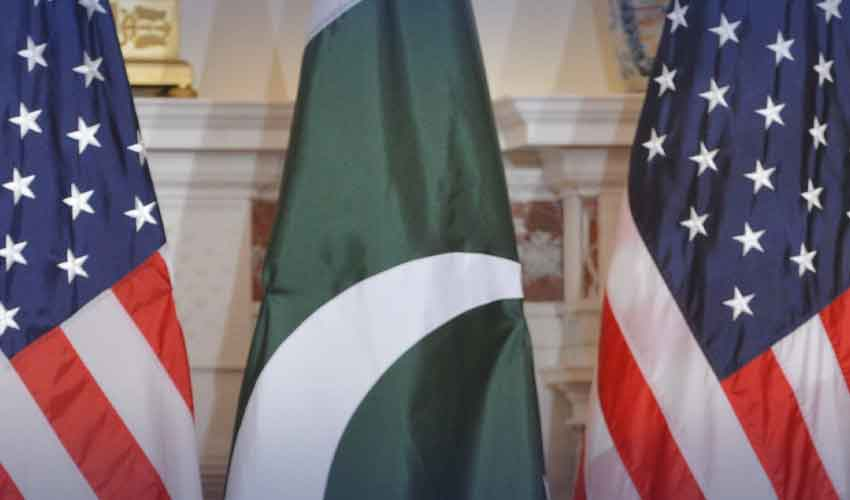
The United States Department of State has updated its travel advisory for Pakistan, urging American citizens to reconsider travel due to serious safety risks. The advisory, issued on January 26, cites concerns including terrorism, civil unrest, crime, and the risk of kidnapping. Pakistan is now listed under a Level 3 advisory, indicating significant risks to personal safety.
The advisory warns that terrorist attacks in Pakistan can occur without warning. Potential targets include transportation hubs, hotels, markets, shopping malls, military installations, airports, schools, hospitals, places of worship, tourist sites, and government buildings. Travelers are advised to remain vigilant and avoid areas where large crowds gather.
Certain regions have been designated Level 4—“Do Not Travel”—including Balochistan, Khyber Pakhtunkhwa (including former FATA areas), and areas near the Line of Control (LoC). The advisory states that assassination and kidnapping attempts are common in these areas and that both government officials and private citizens, including Americans of Pakistani origin, are at risk.
The State Department highlighted that violent extremist attacks continue throughout the country, with Balochistan and Khyber Pakhtunkhwa being particularly affected. However, attacks have also occurred in major cities such as Karachi and Islamabad. Demonstrations require official permits, and US citizens have been detained in the past for participating in protests or posting content deemed critical of the government, military, or officials.
Travelers are also warned about internet and mobile service outages, which are common during protests. While major cities have stronger security infrastructure, emergency response capabilities may be limited elsewhere. Petty crime, such as pickpocketing, bag-snatching, and mobile phone theft, is also frequently reported.
US government personnel face strict movement restrictions in Pakistan. Travel outside Islamabad, Lahore, and Karachi requires armed escorts and prior authorization. Attendance at large gatherings, including political rallies or religious events, is generally prohibited. The advisory also notes that the US embassy and consulates have limited ability to assist dual US-Pakistani citizens, who are considered exclusively Pakistani under local law.
For Americans who still plan to travel, the advisory recommends avoiding displays of wealth, monitoring local media, varying travel routes, and staying alert in public. Travelers should avoid crowds and protests, maintain a personal emergency exit plan, carry comprehensive medical and evacuation insurance, and keep travel documents accessible. Enrolling in the Smart Traveler Enrollment Program (STEP) and consulting the Centers for Disease Control and Prevention for health guidance is also advised.
The advisory specifically warns against travel near the Line of Control, where militant activity is frequent and military presence is heavy. The only official crossing for non-citizens between Pakistan and India is Wagah–Atari.