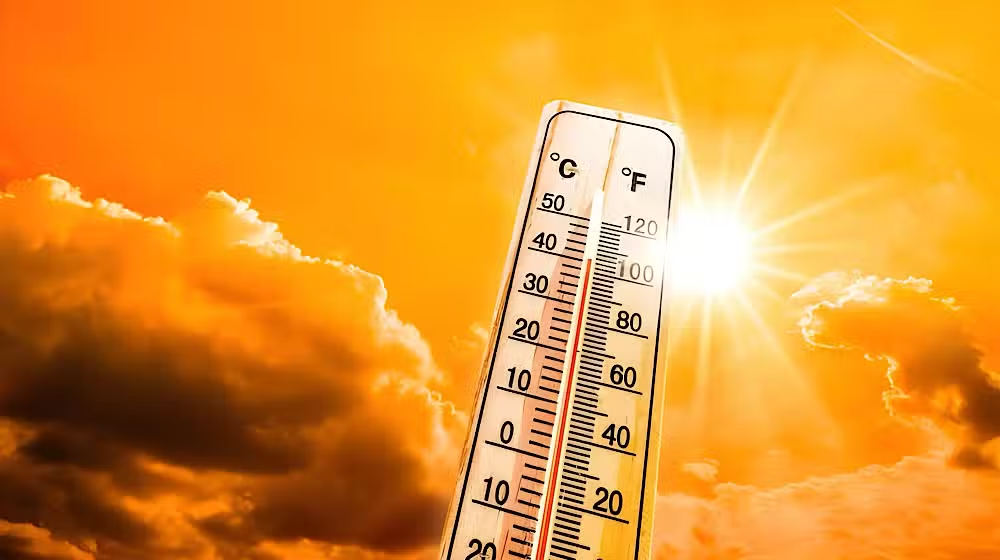
The Pakistan Meteorological Department has issued a fresh weather advisory, warning that temperatures across several parts of Pakistan are already running above seasonal averages. The latest outlook suggests that a mild heatwave is likely to affect southern regions in the coming days, raising concerns about public health and daily routines.
According to the National Weather Forecasting Centre, temperatures in southern areas are currently 2°C to 4°C higher than normal. This upward trend is expected to intensify slightly, with heatwave conditions projected between April 29 and May 3. While classified as mild, such weather can still impact vulnerable populations, especially those exposed to direct sunlight for extended periods.
Regions in southern Pakistan, including parts of Sindh and southern Balochistan, are likely to experience the brunt of this temperature rise. Urban centers may feel additional discomfort due to heat retention caused by infrastructure and limited airflow. Residents are advised to remain cautious and take preventive measures to avoid heat-related illnesses.
Experts recommend staying hydrated, minimizing outdoor activities during peak afternoon hours, and wearing light, breathable clothing. Authorities may also step up awareness campaigns to ensure public safety, particularly for children, the elderly, and outdoor workers.
The advisory comes as seasonal transitions begin to take shape across the country. Weather fluctuations during this period are not uncommon, but rising temperature trends underline the need for preparedness. Monitoring updates from official sources like the Pakistan Meteorological Department remains crucial for timely information.
As Pakistan moves closer to the peak summer months, such early heatwave signals highlight the broader climate patterns affecting the region. Staying informed and adopting simple precautionary steps can help reduce risks and ensure safety during this period of rising temperatures.