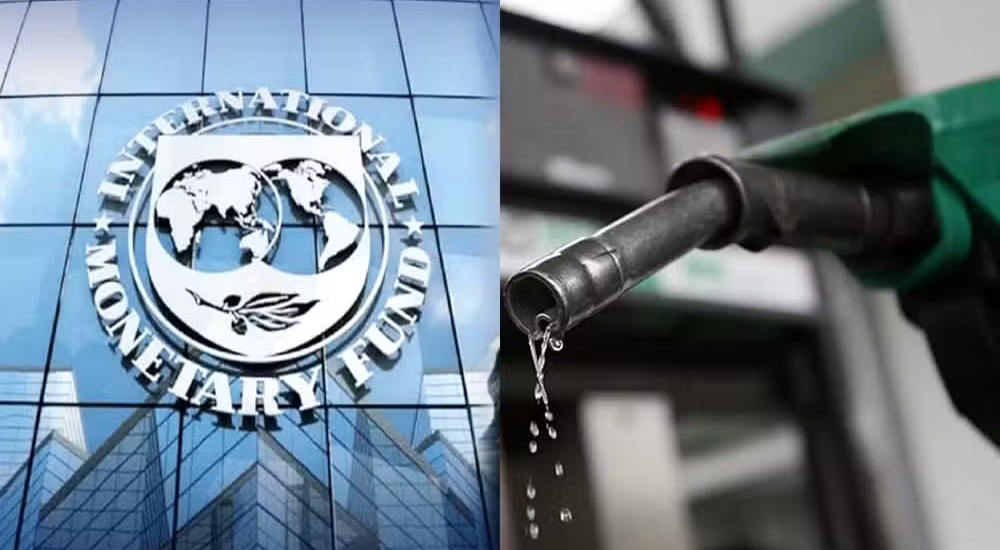
Petrol and Diesel Prices Rise Sharply as Government Raises Taxes Under IMF Programme
Fuel prices in Pakistan have surged once again after the government increased petrol and diesel rates by Rs. 26.77 per litre, a move largely driven by higher taxation measures aimed at meeting fiscal targets under the International Monetary Fund programme.
According to the latest revision, petrol prices have climbed to Rs. 393.35 per litre from Rs. 366.58, while high-speed diesel has increased to Rs. 380.19 per litre from Rs. 353.42 for the week ending May 1. The sharp adjustment has added fresh pressure on households and transport-related sectors already affected by inflation.
The increase comes despite earlier market expectations that fuel prices would decline due to global oil trends. Estimates had suggested a reduction of around Rs. 6 per litre for petrol and nearly Rs. 25 per litre for diesel. However, policy adjustments reversed that outlook.
A major factor behind the hike is the significant rise in the petroleum levy on petrol, which has been increased by approximately Rs. 27 per litre. The levy now stands at Rs. 107.38 per litre, up from Rs. 80 previously. This adjustment is aimed at boosting government revenue collection during the final months of the fiscal year.
The decision reflects ongoing efforts by the government to balance budgetary requirements while remaining aligned with IMF programme conditions. However, it also raises concerns over inflationary pressure, particularly for transport, logistics, and essential commodities that rely heavily on fuel costs.
Economists warn that continued increases in fuel prices could further impact the cost of living, as higher transportation expenses often translate into broader price hikes across food and consumer goods markets. Businesses may also face rising operational costs, potentially affecting profitability and pricing structures.
Meanwhile, consumers are expected to feel the immediate impact as fuel becomes more expensive for daily commuting and goods transportation. Industry stakeholders are closely monitoring the situation, anticipating further volatility in energy pricing in the coming weeks.
