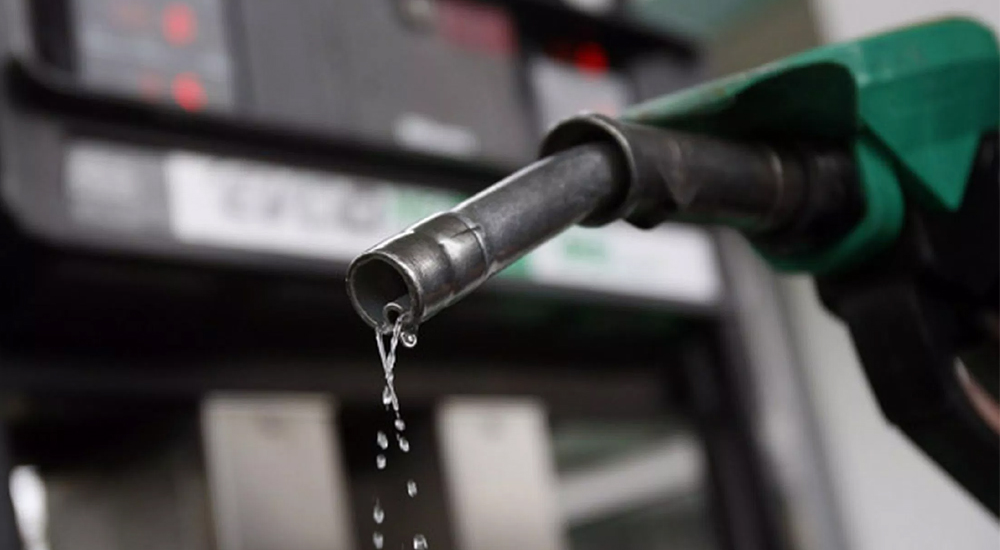
The government has quietly increased the prices of kerosene oil, light diesel oil, and jet fuel across Pakistan following the issuance of a fresh official notification. The revised fuel rates are expected to have a marginal impact on transportation and energy-related costs in the country.
According to the notification, kerosene oil has been increased by Rs1.71 per litre. With the latest revision, its price has moved up from Rs311.73 to Rs313.44 per litre. The adjustment comes amid ongoing fluctuations in global energy markets and domestic pricing reviews.
Similarly, light diesel oil has also seen an increase of Rs1.62 per litre. The new price has been set at Rs275.54 per litre, compared to the previous rate of Rs273.92 per litre. Light diesel is commonly used in agriculture, small transport vehicles, and rural energy applications, making its price changes significant for certain segments of the economy.
Officials have also revised jet fuel prices as part of the broader adjustment in petroleum product rates. Jet fuel pricing is typically linked to international crude oil trends and plays a key role in aviation operating costs, which can indirectly influence air travel fares.
The price revision reflects ongoing efforts to align domestic fuel prices with international market movements and exchange rate pressures. Energy pricing in Pakistan is frequently reviewed on a periodic basis to account for global oil fluctuations and import-related costs.
Fuel price adjustments often have a cascading effect on transportation, goods delivery, and production costs. While kerosene and light diesel are used in specific sectors, even minor increases can impact rural households and small-scale industries that depend on these fuels for daily operations.
Economic analysts note that fuel pricing remains a sensitive issue in Pakistan due to its direct link with inflation and cost of living. Any upward revision is closely monitored by markets, transport associations, and consumer groups.
Authorities have not announced any additional subsidies or relief measures alongside the latest increase. However, fuel pricing decisions are typically reviewed fortnightly in line with global oil price trends.
The revised rates are expected to remain in effect until the next official review cycle, when further adjustments may be made depending on international market conditions.