Pakistan’s federal government has collected Rs. 220 billion through the petroleum levy during the first two months of the ongoing fiscal year 2026-27, highlighting the significant contribution of petroleum-related taxes to government revenue.
According to the reported figures, the collection was recorded during July and August, the opening months of FY2026-27. The government has set an ambitious annual target of Rs. 1.676 trillion from the petroleum levy as part of its broader revenue collection strategy.
The latest figures indicate that petroleum levy collections remain an important source of income for the federal government. The revenue generated through this charge is expected to support the government’s overall fiscal targets and help manage financial requirements during the current financial year.
Government Sets Rs. 1.676 Trillion Petroleum Levy Target
For FY2026-27, the federal government aims to collect Rs. 1.676 trillion through the petroleum levy. This target reflects the government’s reliance on petroleum-related revenue as part of its efforts to strengthen public finances.
The Rs. 220 billion collected during the first two months represents approximately 13.1% of the annual target. The remaining amount will need to be generated during the subsequent ten months of the fiscal year.
Achieving the target will depend on several factors, including petroleum product consumption, applicable levy rates and the government’s revenue collection policies.
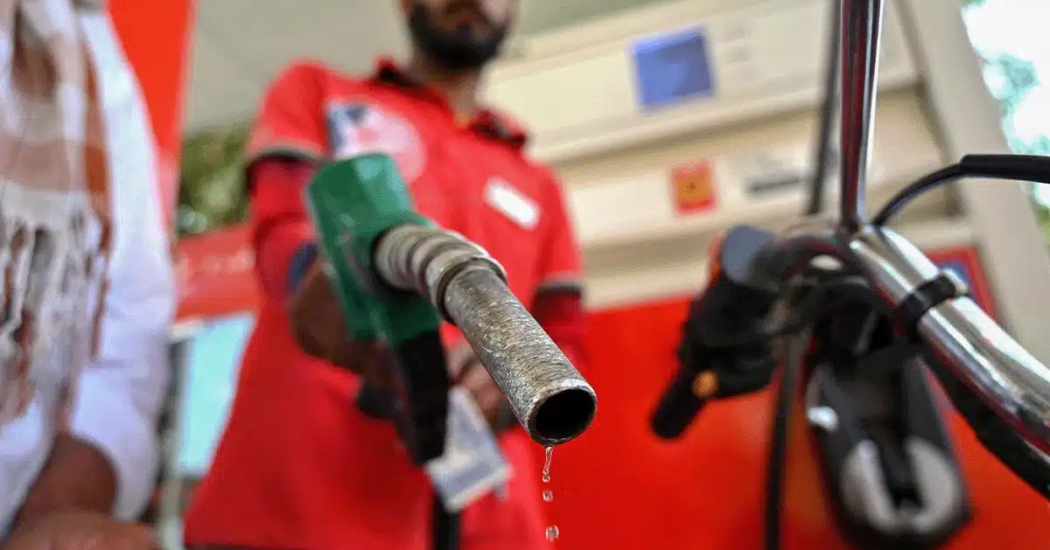
The petroleum levy is imposed on petroleum products, including petrol and diesel, and forms part of the charges included in fuel prices. Changes in the levy can influence the overall cost consumers pay at petrol stations.
Petroleum Levy Remains an Important Revenue Source
The federal government uses different taxation measures to generate revenue and meet its financial obligations. Alongside direct and indirect taxes, petroleum-related charges contribute to the country’s overall revenue collection.
The petroleum levy is particularly significant because fuel is widely used across households, transportation networks, agriculture and industrial activities. Consequently, revenue collected through petroleum products can provide a substantial contribution to government finances.
However, changes in petroleum taxation also attract public attention because they can affect transportation expenses, business operating costs and household budgets.
Higher fuel-related charges can place additional pressure on consumers, particularly when combined with changes in international oil prices and currency exchange rates.
Remaining Collection Target for FY2026-27
With Rs. 220 billion already collected, the government must generate another Rs. 1.456 trillion to achieve its annual petroleum levy target of Rs. 1.676 trillion.
The coming months will indicate whether the government can maintain the required collection pace. Revenue performance will remain an important factor in assessing progress towards the federal budget’s financial objectives.
The latest collection figures underline the importance of petroleum levy revenue in Pakistan’s fiscal planning as the government continues working towards its FY2026-27 targets.