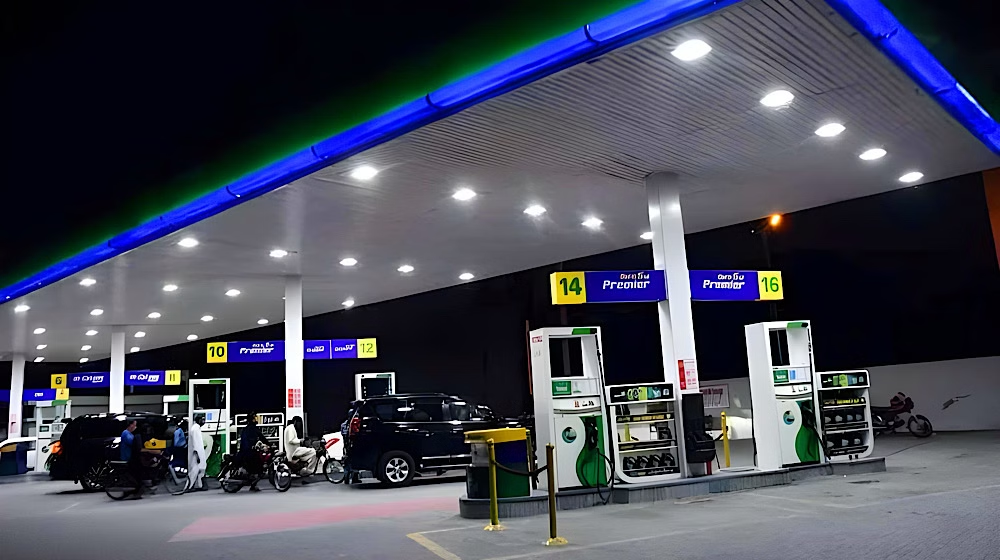
Pakistan’s fuel retail sector is facing mounting financial strain as petrol pump owners and oil marketing companies (OMCs) push for a massive Rs. 82.5 billion compensation package from the government. The demand comes in response to rising global oil prices and supply disruptions triggered by escalating tensions in the Middle East.
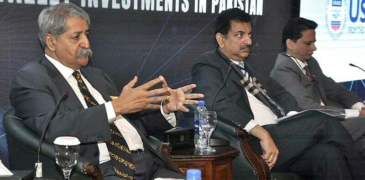
The issue was formally discussed during a recent meeting of the Senate Standing Committee on Cabinet Secretariat, where stakeholders highlighted the growing pressure on the downstream petroleum sector. Representatives from OMCs argued that the ongoing geopolitical instability has significantly increased procurement and operational costs, making it difficult to sustain current pricing structures without government support.
According to industry officials, fluctuations in international oil markets have led to higher import bills and unpredictable supply chains. These challenges have not only affected large oil distributors but have also placed independent petrol pump operators in a vulnerable position. Many retailers claim they are struggling to maintain margins while complying with regulated fuel prices set by authorities.
OMCs emphasized that the requested Rs. 82.5 billion compensation is essential to offset losses incurred due to sudden cost escalations. Without timely intervention, stakeholders warned of potential disruptions in fuel supply, which could impact transportation, logistics, and overall economic activity across the country.
Government officials, on the other hand, are reviewing the financial implications of the request. While acknowledging the seriousness of the situation, policymakers are weighing options to balance fiscal constraints with the need to stabilize the energy sector. Discussions are expected to continue as authorities assess the legitimacy of claims and explore possible relief mechanisms.
The fuel crisis is closely tied to ongoing geopolitical tensions in key oil-producing regions, which have historically influenced global energy prices. Analysts suggest that unless the situation stabilizes, countries like Pakistan that rely heavily on imported fuel will continue to face economic pressure.
As negotiations progress, industry stakeholders remain hopeful for a resolution that ensures business continuity while protecting consumers from abrupt price hikes. The coming weeks are likely to be critical in determining how the government responds to one of the most pressing energy sector challenges in recent months.