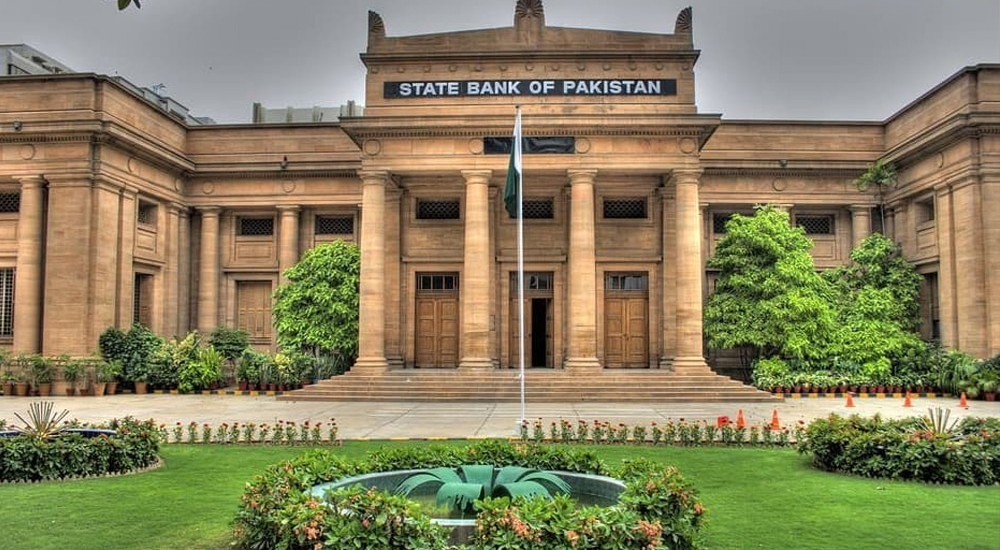
State Bank of Pakistan Raises Interest Rate to 11.5% Amid Economic Pressures
The State Bank of Pakistan has increased the policy rate by 100 basis points, bringing it to 11.5 percent following its latest monetary policy meeting on Monday. The move signals a shift in the central bank’s stance after maintaining rates unchanged in the previous two sessions.
This latest adjustment comes at a time when Pakistan’s economy faces mounting pressures, including inflationary risks and external challenges. By raising the benchmark interest rate, the central bank aims to control price stability and manage demand within the economy.
The decision marks the first rate hike after a brief pause, indicating that policymakers are responding to evolving economic conditions. Higher interest rates typically make borrowing more expensive, which can slow down consumption and investment but may help curb inflation in the long run.
Financial analysts suggest that the increase reflects caution amid uncertainty, particularly as global and domestic factors continue to influence economic performance. The policy shift may also impact business activity, lending trends, and overall market sentiment in the coming weeks.
For consumers, the rate hike could translate into higher borrowing costs for loans and financing, while savers may benefit from improved returns on deposits. Businesses, meanwhile, may need to reassess expansion plans due to increased financing expenses.
As the State Bank of Pakistan continues to monitor economic indicators, future monetary policy decisions will likely depend on inflation trends, currency stability, and broader fiscal developments. The latest increase highlights the central bank’s focus on maintaining economic balance during a challenging period.
