Punjab Approves New Tax Framework for Large Generators and Solar Power Systems
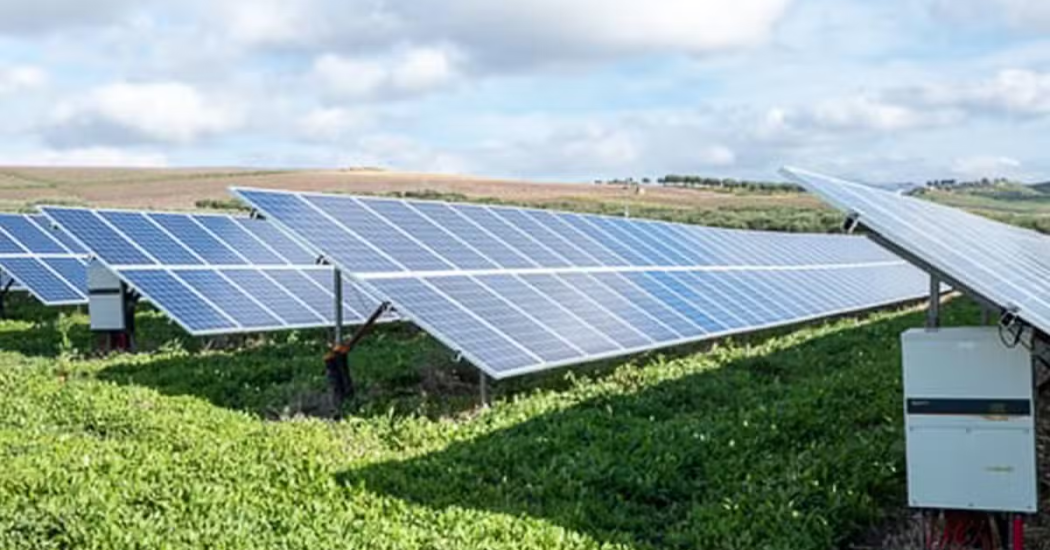
The Punjab government has reportedly approved a new taxation framework targeting large-scale private power generation systems, including high-capacity generators and solar installations, under the newly introduced Electricity Duty Rules 2026.
The move is aimed at regulating electricity generated for self-consumption by industrial and commercial users while keeping ordinary household consumers exempt from the proposed levy.
According to the approved rules, electricity duty will apply to private generators and solar power systems with a generation capacity exceeding 500 kVA. The measure primarily targets businesses, factories, commercial establishments, and other large-scale electricity users that generate their own power instead of relying entirely on the national grid.
Under the new framework, industrial and commercial consumers will be required to pay an electricity duty of 4 paisa per unit on the electricity they generate and consume themselves. The levy will apply regardless of whether the electricity is produced through conventional generators or eligible solar energy systems above the specified capacity threshold.
Authorities have reportedly designed the policy to broaden the province’s revenue base while ensuring that domestic consumers remain protected from additional financial burdens. Residential users operating smaller solar setups and household-level power generation systems are expected to remain outside the scope of the duty.
The decision comes at a time when many businesses and industries have increasingly invested in alternative energy solutions to reduce operational costs and address electricity supply challenges. Solar power, in particular, has witnessed rapid adoption across Pakistan due to rising grid electricity tariffs and growing interest in renewable energy sources.
Industry stakeholders are closely evaluating the potential impact of the new duty on operating costs. While the tax rate remains relatively low, some businesses may factor the additional expense into long-term energy planning and investment decisions.
Supporters of the measure argue that large-scale self-generation systems benefit from public infrastructure and regulatory oversight, making a contribution through electricity duty a reasonable approach. Others, however, may raise concerns about whether additional taxation could affect the pace of investment in renewable energy projects.
The Electricity Duty Rules 2026 are expected to provide a clearer legal framework for the collection of duties from private electricity producers operating above the prescribed capacity limit. Further implementation guidelines and enforcement mechanisms are likely to be outlined by the relevant authorities in the coming months.
As Punjab continues to balance revenue generation with energy sector development, the new taxation policy could become an important part of the province’s broader approach to managing power generation, consumption, and renewable energy growth.
