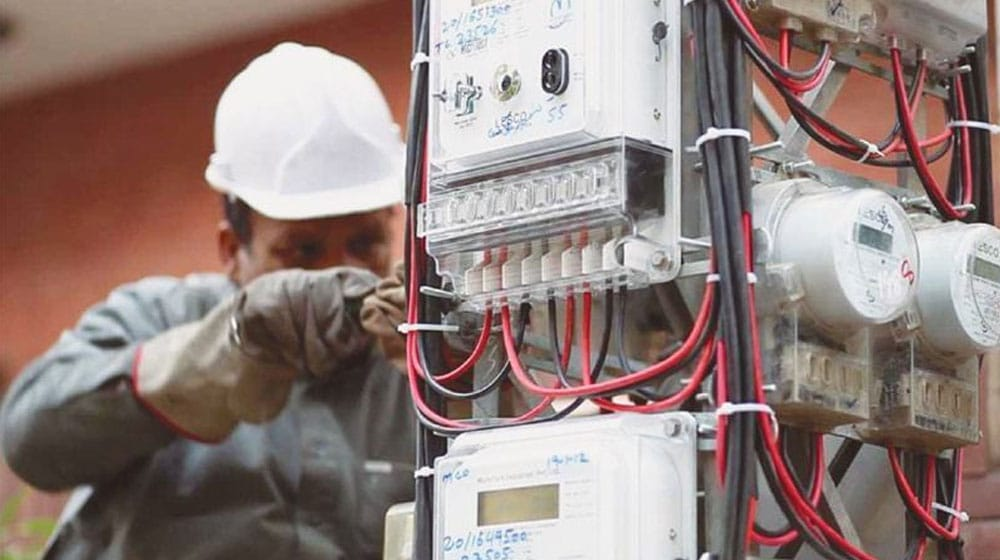
The Lahore High Court has ruled that electricity distribution companies (DISCOs) cannot disconnect a consumer’s residential electricity connection to recover alleged dues from a separate industrial connection.
The decision provides important protection for domestic electricity consumers, particularly in cases where residential and commercial or industrial connections have separate meters, billing records and payment histories.
Justice Jawad Hassan issued the ruling while hearing a petition filed by Ghazi Akhtar Khan. The court directed the relevant authorities to refrain from taking coercive action against his residential electricity connection.
The case involved an attempt to use a domestic electricity connection as a means of recovering disputed liabilities associated with a separate industrial connection. The petitioner maintained that his residential electricity bills had been regularly paid.
The court observed that a fully paid residential connection cannot be used as leverage to recover disputed dues connected with an industrial connection. It emphasized the separate nature of the two electricity connections and their respective billing records.
According to the ruling, the residential connection had its own meter, reference number, billing history and payment record. Since the petitioner had been paying his domestic electricity bills regularly, the court found that the residential supply could not simply be disconnected to recover a disputed industrial liability.
The decision is significant for electricity consumers because households and businesses may sometimes have multiple electricity connections registered under the same person or entity. The ruling reinforces the importance of treating separate connections according to their individual records and liabilities.
Electricity disconnection can have serious consequences for households, affecting essential activities such as lighting, refrigeration, education and other daily needs. The court’s decision therefore places limits on the use of residential electricity supply as a recovery mechanism for unrelated disputed dues.
The ruling also highlights the distinction between a consumer’s residential obligations and liabilities associated with an industrial or commercial connection. Where separate meters, reference numbers and billing records exist, the financial position of one connection cannot automatically be treated as the same as another.
For consumers facing disputes over electricity bills, the judgment could serve as an important legal reference. It indicates that distribution companies must follow appropriate legal procedures when seeking recovery of disputed amounts rather than disconnecting a separate, fully paid residential connection.
The Lahore High Court’s order also underscores the importance of maintaining accurate billing records. Separate payment histories can help establish whether a particular electricity connection has outstanding dues or has been regularly cleared by the consumer.
The ruling does not mean that legitimate electricity dues cannot be recovered. Rather, it establishes that a separate residential connection that has been properly paid cannot be disconnected simply to exert pressure for recovery of disputed liabilities attached to another industrial connection.
The case could have broader implications for electricity consumers across areas served by distribution companies, particularly where individuals or businesses maintain multiple connections for residential and commercial purposes.
The decision ultimately reinforces the principle that electricity supply should be dealt with according to the specific connection, billing record and legal liability involved.