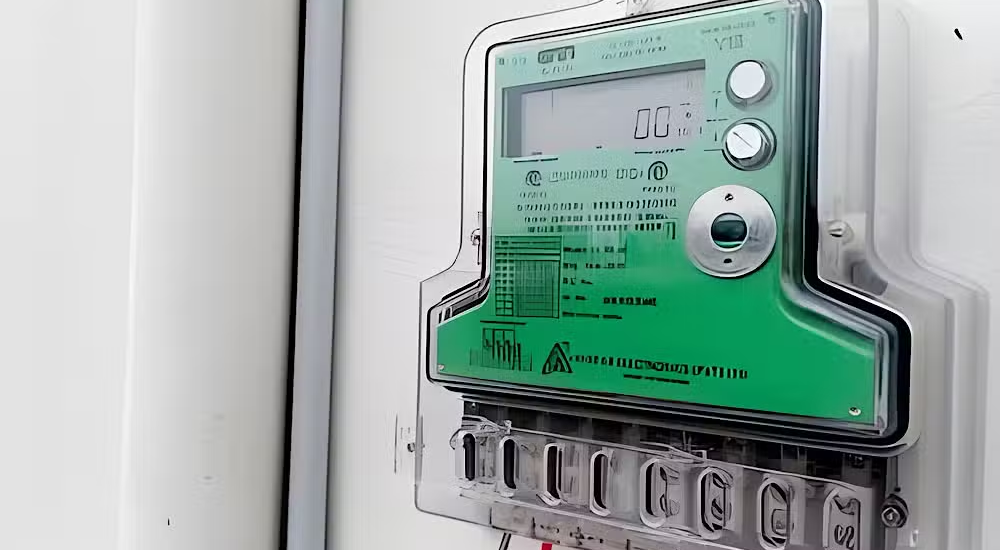
Lahore Electric Supply Company (LESCO) has stopped issuing new bidirectional meters for solar consumers due to a shortage of the specialized meters, according to sources.
The shortage of bidirectional green meters has affected the installation process for consumers who have already completed the required steps to connect their solar systems to the electricity network.
The limited meter stock has reportedly delayed new meter issuance and slowed down allocations submitted under the ERP code.
Many consumers had already installed solar systems and submitted their demand notices under Pakistan’s net billing policy. However, the shortage of meters has created an additional delay in completing their connections.
Bidirectional meters are important for solar consumers because they can record electricity flowing in both directions. This allows the electricity distribution company to measure power consumed from the grid as well as electricity supplied to the grid by eligible solar customers.
The current shortage means consumers who have completed their solar installations may have to wait longer before their connections can be finalized.
The issue is particularly significant as interest in rooftop solar systems has increased across Pakistan. Rising electricity costs have encouraged households and businesses to consider solar power as an alternative source of energy.
For consumers, the installation of solar panels is only one part of the connection process. Metering and approval requirements also need to be completed before a system can operate under the applicable grid-connected arrangement.
LESCO’s reported shortage has therefore created uncertainty for consumers who have already submitted their paperwork and paid the required charges.
The delays may also affect consumers who planned their solar installations around the expected timeline for obtaining a bidirectional meter. Any prolonged wait could postpone the full operation of their systems under the relevant billing arrangement.
The ERP allocation process is another part of the procedure affected by the limited availability of meters. Slower allocations could result in longer processing times for applications already submitted by consumers.
The situation highlights the importance of maintaining adequate supplies of specialized electricity meters as demand for solar connections continues to grow.
Pakistan’s electricity sector has been undergoing significant changes as more consumers invest in renewable energy. Solar power has become increasingly attractive for consumers seeking to reduce their dependence on conventional grid electricity.
However, the expansion of rooftop solar also requires distribution companies to maintain the infrastructure and equipment needed to process new connections efficiently.
For existing applicants, the availability of bidirectional meters remains a key factor in completing their solar connection process. Consumers may need to check with LESCO for updates regarding meter availability and the status of their individual applications.
The reported halt in new meter issuance is linked to the current shortage and could change once additional supplies become available.
The development is being closely watched by solar consumers in LESCO’s service areas, particularly those who have already installed systems and submitted demand notices.
As Pakistan continues to expand its use of renewable energy, timely access to appropriate metering infrastructure will remain important for ensuring that new solar connections can be processed without unnecessary delays.