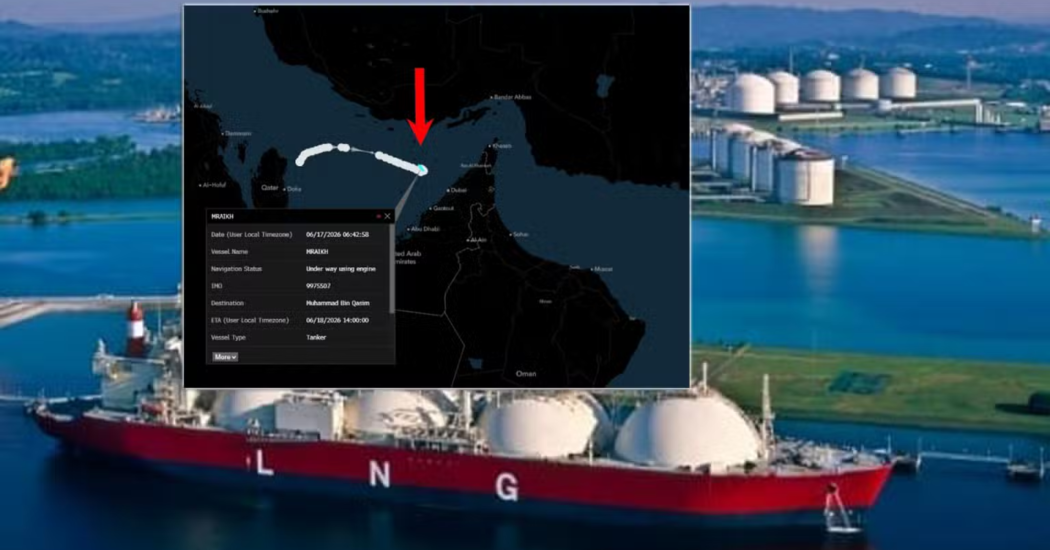
Pakistan is set to receive its first liquefied natural gas (LNG) shipment from Qatar following recent regional tensions, with the vessel currently navigating near the strategically important Strait of Hormuz.
According to vessel-tracking data available through Bloomberg terminal monitoring systems, the LNG carrier remains in the vicinity of the Strait of Hormuz and appears to be approaching its exit route. Tracking information indicates that the vessel has not yet fully cleared the area and has been making circular movements along its shipping path.
The development is being closely monitored by energy markets and industry stakeholders, as the Strait of Hormuz remains one of the world’s most critical maritime chokepoints for global oil and gas trade. Any disruption in the region can have significant implications for energy supplies, freight costs, and international commodity markets.
Pakistan relies heavily on imported LNG to meet its energy requirements, particularly for electricity generation and industrial consumption. As a result, the safe passage of LNG cargoes through key international shipping routes is vital for maintaining energy security and ensuring uninterrupted fuel supplies.
The arrival of the first post-conflict LNG shipment is being viewed as an important indicator of the continued flow of energy exports from the Gulf region despite recent geopolitical uncertainties. Analysts believe the successful transit of cargo vessels through the Strait of Hormuz could help ease concerns surrounding potential disruptions to regional energy supply chains.
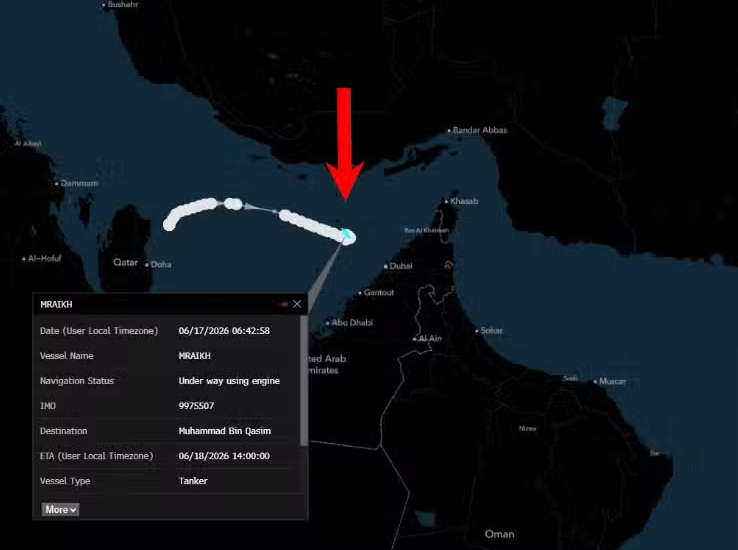
Shipping experts note that vessels operating in sensitive maritime zones may occasionally adjust their routes, reduce speed, or hold position temporarily due to security considerations, traffic management requirements, or navigation protocols. Such movements can sometimes appear as circular patterns on tracking systems.
Qatar remains one of Pakistan’s largest LNG suppliers under long-term agreements that play a key role in supporting the country’s energy needs. Continued deliveries are essential for maintaining fuel availability, particularly during periods of increased electricity demand.
Global energy markets have been paying close attention to developments around the Strait of Hormuz because a significant portion of the world’s LNG and oil exports pass through the narrow waterway. Any prolonged disruption could affect international energy prices and supply chains.

For Pakistan, the progress of this shipment offers reassurance that LNG imports continue to move through regional trade routes despite heightened geopolitical concerns. Energy sector observers will continue monitoring the vessel’s journey until it safely reaches its destination and completes delivery.
The successful arrival of the cargo could also serve as a positive signal for future LNG shipments destined for Pakistan and other energy-importing nations that depend on Gulf exports.