Govt Allocates Rs. 16 Crore for PM House Repairs, Approves Rs. 1 Billion for Food Safety Authority
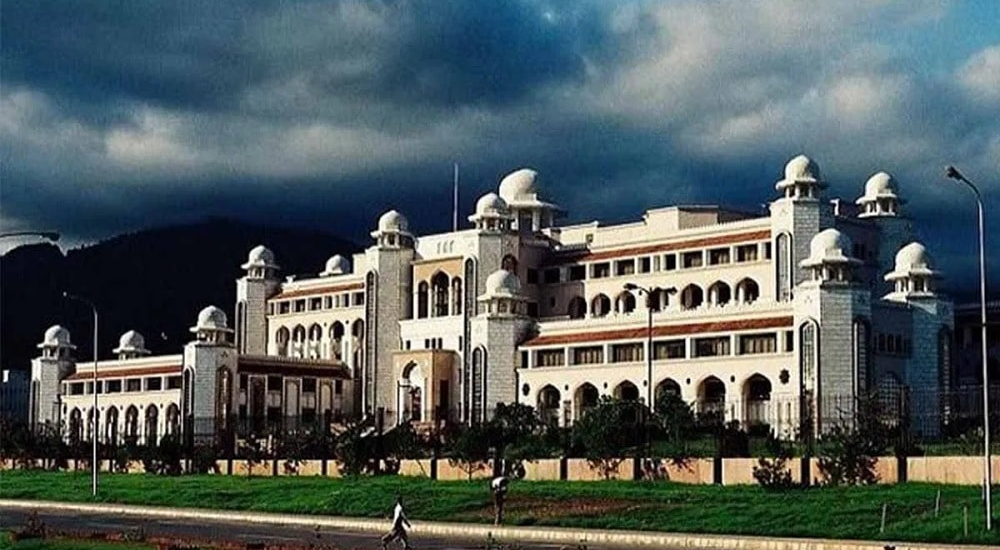
The federal government has approved Rs. 160 million for the repair and maintenance of the Prime Minister’s Office, according to a decision taken by the Economic Coordination Committee (ECC) of the Cabinet during a recent meeting.
The approval comes as part of routine administrative and infrastructure-related expenditures aimed at maintaining government buildings and ensuring uninterrupted official operations at the Prime Minister House.
Officials stated that the allocated funds will be utilized for necessary renovation work, maintenance upgrades, and repair-related activities within the Prime Minister’s Office premises. The decision has already sparked public discussion online, with many citizens debating government spending priorities amid ongoing economic challenges in the country.
Alongside the allocation for the PM House, the ECC also approved Rs. 1 billion for the operationalization of the National Agri-Trade and Food Safety Authority (NAFSA). The initiative is being viewed as an important step toward strengthening Pakistan’s food safety standards and agricultural regulatory framework.
The newly approved funding for NAFSA is expected to help improve monitoring systems, enhance food quality checks, and facilitate better compliance with international agricultural trade standards. Experts believe the authority could play a significant role in boosting Pakistan’s agricultural exports while ensuring safer food products for consumers.
The government has been focusing on reforms in the agriculture and food sectors to improve competitiveness in global markets. The operationalization of NAFSA is expected to support farmers, exporters, and food producers through modernized regulatory mechanisms and streamlined certification processes.
Economic analysts note that food safety and agricultural trade regulations have become increasingly important for countries seeking access to international markets. With stricter global requirements in place, authorities believe Pakistan must upgrade its systems to remain competitive in agricultural exports.
Meanwhile, the allocation for the Prime Minister’s Office continues to draw attention due to the country’s broader economic conditions, including inflation and fiscal pressures. Discussions surrounding public sector expenditures remain a key topic among policymakers and the public alike.
The ECC meeting highlighted the government’s dual focus on administrative functionality and long-term institutional development, particularly in sectors linked to economic growth and food security.
